


Abstract Background Cardiac surgery is associated with a period of postoperative bed rest. Although early mobilization is a vital component of postoperative care, for preventing complications and enhancing physical recovery,..
Read More
Abstract BACKGROUND: Hyperglycemia is common in patients undergoing cardiovascular surgery with cardiopulmonary bypass. We hypothesize that intraoperative hyperglycemia may be, at least partially, attributable to insulin loss due to adhesion..
Read More
Intraoperative Glucose and Kidney Injury After On-Pump Cardiac Surgery: A Retrospective Cohort Study
Abstract Introduction Acute kidney injury (AKI) is a common complication after on-pump cardiac surgery, and previous studies have suggested that blood glucose is associated with postoperative AKI. However, limited evidence..
Read More
Abstract Background Minimizing the use of blood component can reduce known and unknown risks, preserve blood bank resources, and decrease healthcare costs. Red Blood Cell (RBC) transfusion is common after cardiac..
Read More
Abstract Patient blood management (PBM) guidelines for patients undergoing cardiac surgery under cardiopulmonary bypass (CPB) have increased during the past decade, and pharmacotherapy plays an important role in PBM. In..
Read More
Abstract Background Cerebral perfusion may change depending on arterial cannulation site and may affect the incidenceof neurologic adverse events in post‑cardiotomy extracorporeal life support (ECLS). The current study comparespatients’ neurologic..
Read More
Abstract Background To assess whether retrograde cerebral perfusion reduces neurological injury and mortality in patients undergoing surgery for acute type A aortic dissection. Methods Single-center, retrospective, observational study including all..
Read More
Abstract In the initial phases of veno-venous extracorporeal membrane oxygenation (VV ECMO) support for severe acute respiratory distress syndrome (ARDS), ultraprotective controlled mechanical ventilation (CMV) is typically employed to limit..
Read More
Abstract We present the case of a 62-year-old man with severe coronary artery disease who presented to the hospital in refractory ventricular fibrillation cardiac arrest. He showed signs of life..
Read More
Abstract Introduction The use of cardiopulmonary resuscitation (ECPR) for refractory cardiac arrest is increasing globally. However, providing equity of access to all patients is challenging, and to date, access has been..
Read More
Abstract Introduction The trial hypothesized that minimally invasive extra-corporeal circulation (MiECC) reduces the risk of serious adverse events (SAEs) after cardiac surgery operations requiring extra-corporeal circulation without circulatory arrest. Methods..
Read More
Abstract Background We aimed to estimate the effect of extracorporeal cardiopulmonary resuscitation (ECPR) on neurological outcome and mortality, when compared to conventional cardiopulmonary resuscitation (CCPR), using an individual patient data..
Read More
Abstract Background Postoperative pneumonia (POP) is the most prevalent of all nosocomial infections in patients who underwent cardiac surgery. The aim of this study was to identify independent risk factors..
Read More
Abstract Background and Aims: The practice of intraoperative blood salvage and autotransfusion (IBSA) during deceased donor liver transplantation (DDLT) for hepatocellular carcinoma (HCC) can potentially reduce the need for allogeneic..
Read More
Abstract The development of extracorporeal life support technology has added a new dimension to the care of critically ill patients who fail conventional treatment options. Extracorporeal membrane oxygenation (ECMO)—specialized temporary..
Read More
Abstract Background/aim: In this prospective observational study, our goal was to investigate the relationship between serum levels of oxidative stress (OS) parameters and regional cerebral oxygen saturation (rSO2 ) in..
Read More
Abstract Background Stroke affects surgical decision making and outcomes of neonatal cardiac surgery (CHS). We sought to assess the burden of stroke in this population from a large multicenter database...
Read More
Abstract Objectives The FUWAI-SAVE system is a modified low-priming cardiopulmonary bypass (CPB) system. The study aimed to explore whether the FUWAI-SAVE system can reduce the perioperative blood transfusion and its..
Read More
Abstract Objectives Minimally invasive cardiac surgery techniques are increasingly used but have longer cardiopulmonary bypass time, which may increase inflammatory response and negatively affect coagulation. Our aim was to compare..
Read More
Abstract Stroke and intracranial hemorrhage (ICH) are serious complications that are difficult to manage during surgery for active infectious endocarditis (AIE). Relevant society guidelines still recommend delaying the cardiac surgery..
Read More
Abstract To the Editor, After more than a decade of focused research, significant advancements have been made in the technology of cardiopulmonary bypass perfusion (CPB) for Type A aortic dissection (TAAD). Notably, there has been..
Read More
Abstract Acute respiratory distress syndrome (ARDS) comprises 10–30% of critical care admissions worldwide []. ARDS outcomes have improved secondary to ventilatory strategies that may potentially mitigate ventilator-induced lung injury []...
Read More
Abstract Background Extracorporeal membrane oxygenation (ECMO) is increasingly being used for critically ill patients with cardiopulmonary failure. Air in the ECMO circuit is an emergency, a rare but fatal complication...
Read More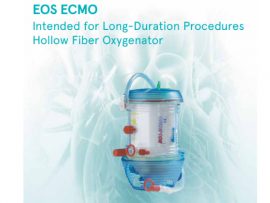
Abstract Background: Extracorporeal membrane oxygenation (ECMO) represents a potentially lifesaving support for respiratory and/or circulatory failure but its availability is limited to larger medical centers. A well-organized regional ECMO center..
Read More
Abstract Thermodilution methods to determine cardiac output (CO) may be affected by veno-venous extracorporeal membrane oxygenation (ECMO). We compared CO estimations by pulmonary arterial thermodilution using a pulmonary arterial catheter..
Read More
Abstract Introduction Medication errors are an unnecessary cost to a healthcare system and patients of a country. This review aimed to systematically identify published cost variables used to calculate the cost..
Read More
Abstract Distance simulation is a method of health care training in which the learners and facilitators are in different physical locations. Although methods of distance simulation have existed in health..
Read More
Abstract Objectives Myocardial revascularisation and cardiopulmonary bypass (CPB) can cause ischaemia-reperfusion injury, leading to myocardial and other end-organ damage. Volatile anaesthetics protect the myocardium in experimental studies. However, there is uncertainty..
Read More
Abstract Mechanical circulatory support (MCS) plays a significant role as a therapeutic option for severe heart failure, and its outcomes have been improving due to advancements in devices and management..
Read More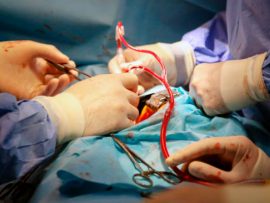
Abstract Thoracoabdominal normothermic regional perfusion (TA-NRP) is increasingly implemented in donation after circulatory determination of death (DCD). Thoracoabdominal normothermic regional perfusion allows thoracic and abdominal organs to be perfused with..
Read More