


Abstract Rotary blood pumps in Extracorporeal Life Support (ECLS) applications are optimized for a specific design point. However, in clinical practice, these pumps are usually applied over a wide range..
Read More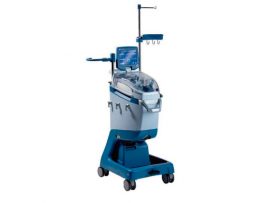
Abstract Introduction and importance Bleeding during pregnancy or during can cause significant morbidity and mortality for the mother and baby, this can be overcome by performing a (C-section) and . Although blood transfusions..
Read More
Abstract Purpose Managing children undergoing cardiac surgery with cardiopulmonary bypass (CPB) presents a significant challenge for anesthesiologists. Machine Learning (ML)-assisted tools have the potential to enhance the recognition of patients..
Read MoreAbstract Objective Bleeding after cardiac surgery leads to poor outcomes. The objective of the study was to build the PeriOperative Bleeding Score in Cardiac surgery (POBS-Card) to predict bleeding after..
Read More
Abstract Objective Systemic heparinization during cardiopulmonary bypass (CPB) can significantly affect thromboelastography (TEG). This study investigated the feasibility of adding protamine in vitro to allow assessment of coagulation status using the..
Read More
Abstract Background Evidence supporting with unfractionated heparin (UFH) in patients with an intra-aortic balloon pump (IABP) to prevent remains limited, while bleeding risks remain high. Monitoring heparin in this setting with anti-factor..
Read More
Abstract Calcium channel blocker (CCB) toxicity presents a significant mortality risk, highlighting the need for effective treatment strategies such as extracorporeal membrane oxygenation (ECMO). This study analyzes Extracorporeal Life Support..
Read More
Abstract Purpose: Veno-venous extracorporeal membrane oxygenation (VV-ECMO) is an integral part of the management algorithm of patients with severe respiratory failure refractory to evidence-based conventional treatments. Right ventricular injury (RVI)..
Read More
Abstract Hemolysis-induced acute kidney injury (AKI) is attributed to heme-mediated proximal tubule epithelial cell (PTEC) injury and tubular cast formation due to intratubular protein condensation. Megalin is a multiligand endocytic..
Read MoreAbstract OBJECTIVES Adequate theoretical and practical training of prospective clinical perfusionists is essential for maintaining clinical standards and ensuring patient safety during cardiac surgery procedures. Perfusion schools play a crucial..
Read More
Abstract Background This case report documents the first worldwide use of the Hybrid System from Spectrum Medical in a heart transplant procedure, focusing on its safety and efficacy. Traditional cardiopulmonary..
Read More
Abstract Amniotic fluid embolism (AFE) is an obstetric complication that can result in acute circulatory failure during and after labor. The effectiveness of extracorporeal membrane oxygenation (ECMO) in AFE patients..
Read More
Usage of HIPEC techniques for the first time in thoracic organs in advanced CA of pericardium. Dr.Sam Zeraatian Nejad Davani, CEO of rockingham medical research ADKWA center as well..
Read More
We present the cannulation technique for venopulmonary extracorporeal membrane oxygenation using the ProtekDuo dual-lumen cannula in a patient who, after a bilateral orthotopic lung transplant and coronavirus disease 2019 infection,..
Read More
Abstract Purpose: Patients receiving venoarterial extracorporeal membrane oxygenation (VA‑ECMO) frequently develop arte‑rial hyperoxaemia, which may be harmful. However, lower oxygen saturation targets may also lead to harmful episodes of hypoxaemia...
Read More
Abstract Data on perioperative extracorporeal membrane oxygenation (ECMO) in liver transplantation (LT) are scarce. ECMO has been used preoperatively, intraoperatively, and postoperatively for a variety of indications at our center...
Read MoreAbstract Endothelial injury is usually considered as a major com-ponent of the systemic inflammatory response observed during veno-arterial extracorporeal membrane oxygena-tion (VA-ECMO) support [1, 2]. Yet, few data are avail-able..
Read More
Abstract Introduction The primary aim was to describe the outcome, the compliance with inclusion criteria and the characteristics of patients who underwent extracorporeal cardiopulmonary resuscitation (ECPR) for out-of-hospital cardiac arrest..
Read More
Abstract Extracorporeal membrane oxygenation (ECMO) is a high-risk and low-volume life support with increasing clinical study. However, heterogenous outcome definitions impede data assimilation into evidence to guide practice. The Academic..
Read More
Abstract Heart transplantation and left ventricular assist devices (LVADs) have emerged as crucial interventions for end-stage heart failure, dramatically improving patient outcomes. This narrative review examines their historical context, indications,..
Read More
Abstract Aims Current data are insufficient for the leading resuscitation societies to advise on the use of extracorporeal cardiopulmonary resuscitation (ECPR) for pediatric out-of-hospital cardiac arrest (OHCA). The aim of..
Read More
Abstract Aims This study explores the evolution of organ donation from patients treated with extracorporeal-cardiopulmonary-resuscitation (ECPR) for refractory out-of-hospital-cardiac-arrest (OHCA) and evaluates the public health benefits of a mature ECPR..
Read More
Abstract Objectives To understand if red blood cell (RBC) transfusions are independently associated with a risk of mortality, prolonged , or infectious, cardiac, or renal morbid outcomes. Design A retrospective review...
Read MoreAbstract Cardiopulmonary bypass (CPB) and veno-arterial extracorporeal membrane oxygenation are critical tools in contemporary cardiac surgery and intensive care, respectively. While these techniques share similar components, their application contexts differ,..
Read More
Abstract Extracorporeal life support (ECLS) therapy is increasingly being used to support children with refractory cardiorespiratory failure, but its use is occasionally associated with complications. Neonatal aortic dissection in association..
Read More
Abstract Background Extracorporeal Membrane Oxygenation (ECMO) is a life support device for patients with severe heart and/or lung failure. Emergency situations require immediate ECMO response. Primed circuits have become a..
Read More
Abstract Extracorporeal membrane oxygenation (ECMO) is used in severe cardiorespiratory failure refractory to conventional management, often as a bridge to recovery, long-term support, or transplant. However, some patients might not..
Read More
Abstract Mass spectrometry-based proteomics is a sophisticated identification tool specializing in portraying protein dynamics at a molecular level. Proteomics provides biologists with a snapshot of context-dependent protein and proteoform expression,..
Read More
Abstract Cardiovascular diseases persist as a leading cause of mortality and morbidity, despite significant advances in diagnostic and surgical approaches. Computational Fluid Dynamics (CFD) represents a branch of fluid mechanics..
Read More
Abstract Background Packed red blood cell (pRBC) transfusion is a relatively safe and mainstay treatment commonly used in cardiac surgical patients. However, there is limited evidence on clinical effects of..
Read More