
Hemoadsorption in the Management of Septic Shock: A Systematic Review and Meta-Analysis

Abstract
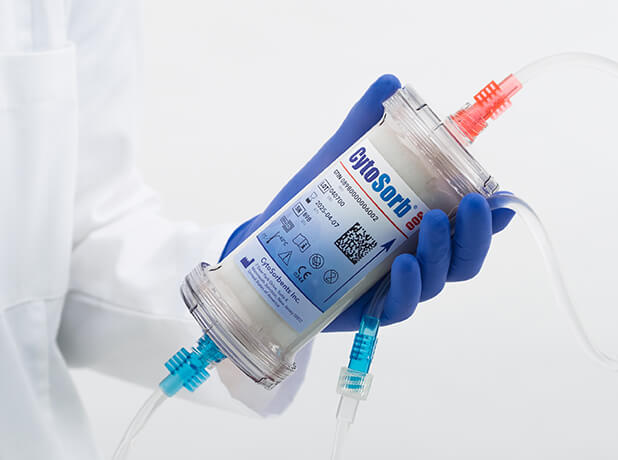
Background/Objectives: Septic shock remains a significant clinical challenge with consistently high mortality rates. Recent investigations have focused on the efficacy of CytoSorb® (CytoSorbents Corporation, Monmouth Junction, NJ, USA), an extracorporeal cytokine adsorber, and how it impacts outcomes in sepsis. The current meta-analysis reports on the impact of CytoSorb® on survival, specifically in septic shock patients.
Methods: We conducted a comprehensive systematic search across the PubMed and COCHRANE databases for studies published up to 10 June 2024. The analysis prioritized randomized controlled trials and observational studies with control groups involving septic shock patients while excluding case reports and case series. Nine studies were finally included in our meta-analysis following the initial screening of 115 articles after excluding duplicates and irrelevant entries.
Results: The meta-analysis was performed on 744 critically ill patients with septic shock from one RCT and eight observational studies. Of these, 449 patients received treatment with CytoSorb® in addition to standard care. Our data indicate that CytoSorb® use is associated with reduced in-hospital mortality, evidenced by an odds ratio (OR) of 0.64 [0.42; 0.97] and a p-value of 0.036. For 28–30-day mortality, the findings were more pronounced with an OR of 0.49 [0.28; 0.83] and a p-value of 0.003. The analysis of the longest observed mortality showed a trend for improved survival within the CytoSorb group; however, it did not reach statistical significance. Additionally, there was a significant improvement in hemodynamic stability as a secondary endpoint, as evidenced by notable reductions in vasopressor requirements in the hemoadsorption group.
Conclusions: The current meta-analysis suggests that the use of CytoSorb® alongside standard of care management may be linked to improved short-term survival in patients with septic shock; however, these findings should be interpreted with caution in light of the heterogeneity and the modest quality of the studies included. Prospective studies are needed to better determine the impact of hemoadsorption on shock reversal and survival in these critically ill patients.