


Abstract The convenience offered by a single-dose cardioplegia strategy is the avoidance of interruption of the flow of surgery and, more importantly, a significant reduction in the cross-clamp time. del..
Read More
Abstract Background is one of the main natural inhibitors. It is potentiated by heparin, and may be a key component of heparin response, particularly in infants aged <1 year. We sought to..
Read More
Abstract Background: The use of two diagnostic criteria in the current literature has led to some degree of ambiguity in the precise diagnosis of acute kidney injury in pediatric patients..
Read More
Abstract Objective Despite an increasing interest in pediatric repair, in children may be unavoidable. The evidence on outcome after pediatric aortic valve replacement is limited and usually reported in small case series...
Read More
Abstract Objective: To demonstrate positive outcome, to achieve higher flow rates, and to reverse shock more quickly by implementing central extracorporeal membrane oxygenation (ECMO) in children with refractory septic shock. Children..
Read More
Abstract Because of a severe dysregulation of the host response to infection, septic shock may induce a profound imbalance between oxygen consumption and delivery, which in some cases may be..
Read More
Abstract Extracorporeal membrane oxygenation (ECMO) and extracorporeal carbon dioxide removal (ECCO2R) provide respiratory support aimed at gaining time to allow patient’s recovery from hypoxemic and/or hypercapnic respiratory failure, respectively. However, in..
Read More
Abstract Case Report A 72-year-old man with a tachycardiomyopathy, atrium flutter, and atrial fibrillation underwent an elective radiofrequency ablation procedure. In addition to 5 mg of apixaban twice daily, his..
Read More
Abstract Introduction: COVID-19 has been associated with increased risk of thrombosis, heparin resistance and coagulopathy in critically ill patients admitted to intensive care. We report the incidence of thrombotic and..
Read More
Abstract Objective Aortic surgery often causes massive bleeding due to hypofibrinogenemia. Predicting hypofibrinogenemia is useful for developing a hemostasis strategy, including preparing for blood transfusion. We made a formula for..
Read More
Abstract We investigated MBL2 and MASP2 genotypes, serum MBL (mannose-binding lectin) levels and activities of its complexes with associated serine Cold heart protection via cardioplegia administration, limits the amount of oxygen demand. Systemic normothermia..
Read More
Abstract We investigated MBL2 and MASP2 genotypes, serum MBL (mannose-binding lectin) levels and activities of its complexes with associated serine proteases (MASP-1, MASP -2), in relation to complications following cardiac surgery in 195 children...
Read More
Abstract Background: This meta-analysis was performed to review the effects of the addition of modified ultrafiltration (MUF) and conventional ultrafiltration (CUF) to CUF alone on postoperative hemoglobin, surgical and ultrafiltration..
Read More
Abstract OBJECTIVES Cardiopulmonary bypass in cardiac surgery has been associated with several deleterious effects including haemodilution and systemic inflammation. Modified ultrafiltration (MUF) has been well established in paediatric cardiac surgery..
Read More
Abstract Background Heparin dosage for anticoagulation during cardiopulmonary bypass (CPB) is commonly calculated based on the patient's body weight. The protamine–heparin ratio used for heparin reversal varies widely among institutions..
Read More
Abstract Rationale: Recent pediatric studies suggest a survival benefit exists for higher-volume extracorporeal membrane oxygenation (ECMO) centers. Objectives: To determine if higher annual ECMO patient volume is associated with lower..
Read More
This case reports on a 7-month-old male pediatric patient (known pre-existing conditions: trisomy 21 (also known as Downs syndrome), aortic isthmus stenosis, atrioventricular septal defect (AVSD) Rastelli type C), who..
Read More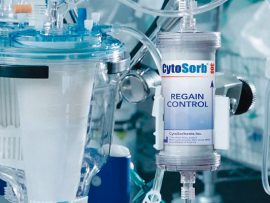
This case reports on a 13-year-old male patient who presented to hospital with fever (38.9°), reduced general condition, vomiting and pain in his limbs. [pdf-embedder url="https://perfusfind.com/wp-content/uploads/2021/02/Use-of-CytoSorb-in-a-pediatric-patient-with-severe-rhabdomyolysis-in-the-context-of-a-SARS-CoV-2-infection_compressed.pdf" title="Use of CytoSorb..
Read More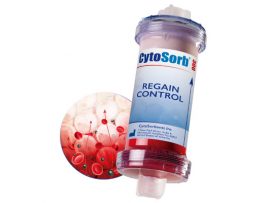
The case study reports on a 16-year-old girl, who presented to the hospital with syncope and fever (39°C), tachycardia, complaints of chest pain and coughing after fainting at home. ..
Read More
This case reports on a 2-year-old male patient (weight 12 kg), who was admitted to the children‘s outpatient department with anuria, bloody diarrhea, anemia and severe edema (anasarca). [pdf-embedder..
Read More
The following case study reports on a 13-year-old pediatric patient (body weight 45 kg) who was admitted to our hospital due to a deterioration in his clinical condition, after he..
Read More
Abstract This review wants to give an overview to most of the controversial fields in the clinical therapeutic assistance in neonatal and pediatric general and cardiothoracic surgery in anaesthesia and..
Read More
Abstract This is a review of the University of Michigan experience with extracorporeal life support (ECLS) also known as extracorporeal membrane oxygenation (ECMO). Two thousand patients were managed with ECMO..
Read More
Abstract Objective: Intra-operative cell salvage (CS) was reported to be ineffective, safe and not cost-effective in low-bleeding-risk cardiac surgery with cardiopulmonary bypass (CPB), but studies in high-bleeding-risk cardiac surgery are limited...
Read More
Abstract The prediction of bleeding risk in cardiopulmonary bypass (CPB) patients plays a vital role in their postoperative management. Therefore, an artificial neural network (ANN) to analyze intra-operative laboratory data..
Read More
Abstract Introduction: We have been developing a closed-circuit cardiopulmonary bypass (CPB) system (“Dihead CPB”) for application during coronary artery bypass grafting (CABG) and valve surgery. To strive for minimal hemolysis..
Read More
Abstract Aim: The ECMO (extracorporeal membrane oxygenation) Program at the American University of Beirut Medical Center was established in November 2015 as the first program serving adult and pediatric population..
Read More
Abstract Mechanical support devices have revolutionized the management of circulatory failure. This has been met by a dramatic increase in ventricular assist device (VAD) utilization in children over the last..
Read More
Abstract OBJECTIVES: The upcoming release of aprotinin in paediatric cardiac surgery prompted a re-evaluation of its use in comparison to tranexamic acid (TXA) focusing on their effect on exposure to..
Read More
Abstract Introduction: We have been developing a closed-circuit cardiopulmonary bypass (CPB) system (“Dihead CPB”) for application during coronary artery bypass grafting (CABG) and valve surgery. To strive for minimal hemolysis..
Read More