


Abstract Background Amniotic fluid embolism is a rare potential complication in the peripartum period. Case Summary A 27-year-old nulliparous woman presented for elective induction at 41 weeks' gestation. Due to..
Read More
Abstract Background Congenital heart disease (CHD) that requires heart surgery is common. Severe postoperative pulmonary hypertension (PH) occurs in 2% of cardiac procedures and is associated with high morbidity and..
Read More
Abstract The correct arterial cannula size for percutaneous femoral venoarterial extracorporeal membrane oxygenation (VA-ECMO) cannulation is imperative for adequate circulatory support. We aimed to describe the relationship between cannula size,..
Read More
Abstract Objetives Extracorporeal membrane oxygenation (ECMO) after surgery for congenital heart disease (CHD) provides hemodynamic support to patients when their myocardial function is temporarily affected. Postoperative infections in children with..
Read More
Abstract Infection cases have been reported where Legionella spp. and NTM (non-tuberculous mycobacteria) increased due to the contamination of circulating water in cold/heated water supply systems for extracorporeal circulation used in cardiac..
Read More
Abstract Introduction Current guidelines advise that anaphylactic shock refractory to traditional treatments may be managed with extracorporeal life support (ECLS), but reports have been exclusive to adults. Case Report We..
Read More
Abstract Background:Mechanical circulatory support, and specifically extra-corporeal membrane oxygenation, plays a critical role in managing paediatric cardiac patients with severe heart failure. Whilst these technologies are vital for bridging patients..
Read More
Abstract The use of extracorporeal membrane oxygenation (ECMO) in the paediatric population has increased over time, with the ability to rescue pulmonary and cardiovascular deterioration. ECMO can be utilised by..
Read More
Abstract Background Venoarterial extracorporeal membrane oxygenation (VA ECMO) is a critical therapeutic intervention that is commonly used in the management of paediatric patients with congenital heart disease (CHD). This procedure..
Read More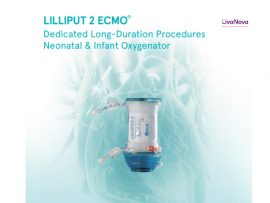
Abstract Extracorporeal membrane oxygenation (ECMO) is a high-risk and low-volume life support with increasing clinical study. However, heterogenous outcome definitions impede data assimilation into evidence to guide practice. The Academic..
Read More
Abstract Introduction Oxygenators for paediatric Extracorporeal Membrane Oxygenation (ECMO) are required to operate over a wide range of flow rates, in a patient group ranging from neonates through to fully..
Read More
Abstract Extracorporeal Cardiopulmonary Resuscitation (ECPR) has potential benefits compared to conventional Cardiopulmonary Resuscitation (CCPR) in children. Although no randomised trials for paediatric ECPR have been conducted, there is extensive literature..
Read More
Abstract Methemoglobinemia is a rare blood disorder that can have severe consequences if not promptly diagnosed and treated. In this article, we will explore a real-life case study of a..
Read More
Abstract Despite increasing early rehabilitation and mobilisation (ERM) in paediatric intensive care, current evidence for ERM of neonatal and paediatric patients receiving extracorporeal membrane oxygenation (ECMO) is limited. The proposed..
Read More
Abstract Peripheral veno-artertial extracorporeal membrane oxygenation (VA-ECMO) is commonly used in the paediatric population for intractable respiratory and cardiac failure. One of the devastating complications of VA-ECMO is severe brain..
Read More
Abstract Background: Postcardiotomy cardiogenic shock (PCS) that is refractory to inotropic support remains a major concern in cardiac surgery and is almost universally fatal unless treated with mechanical support. While reported..
Read More
Abstract Aims Unfractionated heparin (UFH) has been the primary anticoagulant of choice on extracorporeal membrane oxygenation (ECMO). However, it is debatable whether bivalirudin (BIV), a direct thrombin inhibitor, may be..
Read More
Abstract Background: Extracorporeal membrane oxygenation (ECMO) is a supportive therapy used in the most severe forms of acute respiratory distress syndrome. Due to its intrinsic complexity and relatively low annual..
Read More
Abstract Introduction Detection of neurological complications during extracorporeal membrane oxygenation (ECMO) may be enhanced with non-invasive neuro-monitoring. We investigated the feasibility of non-invasive neuro-monitoring in a paediatric intensive care (PIC)..
Read More
Abstract During the first wave of the COVID-19 pandemic, the European Extracorporeal Life Support Organization (ELSO) established a prospective survey including 52 European neonatal and paediatric centres and reported the..
Read More
Abstract Use of extracorporeal membrane oxygenation (ECMO) in children receiving haematopoietic cell transplantation (HCT) and immune effector cell therapy is controversial and evidence-based guidelines have not been established. Remarkable advancements..
Read More
Abstract Background: Adverse neurological events during extracorporeal membrane oxygenation (ECMO) are common and may be associated with devastating consequences. Close monitoring, early identification and prompt intervention can mitigate early and..
Read More
Abstract OBJECTIVES: Extracorporeal membrane oxygenation (ECMO) is a lifesaving but expensive therapy in terms of financial, technical and human resources. We report our experience with a ‘basic’ ECMO support model,..
Read More
Abstract Purpose Cardiopulmonary bypass induces an ischaemia–reperfusion injury and systemic inflammatory response, which contributes to low cardiac output syndrome following cardiac surgery. Exogenous nitric oxide during cardiopulmonary bypass has shown..
Read More
Abstract (ECMO) is a form of (ECLS) which is used frequently in the paediatric and neonatal setting to support either the pulmonary, or both the pulmonary and . Management of ECMO requires..
Read More
Abstract Extracorporeal life support (ECLS, also known as extracorporeal membrane oxygenation or ECMO) emerged in the 1970s as a potentially useful life-support therapy for refractory cardiac or respiratory failure in..
Read More
Trends From 2002 to 2017 Extracorporeal life support (ECLS) has grown in its application since its first clinical description in the 1970s. The technology has been used to support a..
Read More
Background Postcardiotomy cardiogenic shock (PCCS) refractory to inotropic support and intra-aortic balloon pump (IABP) occurs rarely but is almost universally fatal without mechanical circulatory support. In this systematic review and..
Read More