


Abstract Mechanical circulatory support for cardiogenic shock complicated by acute severe aortic regurgitation poses a unique challenge for traditional veno arterial extracorporeal membrane oxygenation (ECMO) because of rapidly rising left..
Read More
Abstract The Extracorporeal Life Support Organization (ELSO) registry which collects data from hundreds of participating centers supports research in ECMO to help improve patient outcomes. The ELSO Scientific Oversight Committee,..
Read More
An International Survey of Extracorporeal Membrane Oxygenation Education and Credentialing Practices
Abstract Background: The use of extracorporeal membrane oxygenation (ECMO) has grown rapidly over the past decades because of evolving indications, advances in circuit technology, and encouraging results from modern trials. Because..
Read More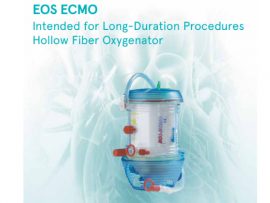
Abstract Background: Although extracorporeal membrane oxygenation (ECMO) is an integral part of a robust cardiogenic shock program, it is associated with high mortality. The optimal strategy for weaning from ECMO is..
Read More
Abstract Infection is one of the most frequent complications in the management of ECMO patients. Although there are several studies demonstrating the role of ECMO in patients with pre-existing sepsis,..
Read More
Abstract Beside the tremendous developments in cardiac surgical procedures, the use of cardiopulmonary bypass (CPB) remains the gold standard to perform cardiac surgery but is associated with detrimental effects (e.g...
Read More
Abstract Background: Extubation while receiving V-V ECMO is being considered earlier for patients with respiratory failure. This can facilitate early mobilization, participation in physical therapy, and reduce the potential consequences of..
Read More
Abstract Introduction: In cardiogenic shock, peripheral veno-arterial extracorporeal membrane oxygenation (VA-ECMO) can provide hemodynamic support, however this results in adverse left ventricular afterload. Left ventricle (LV) venting (unloading) has favorable effects..
Read More
Abstract Introduction Most patients on extracorporeal membrane oxygenation (ECMO) decease during therapy on the system. However, the actual causes of death have not been studied sufficiently. This study analyses the..
Read More
Abstract Complexity and a certain level of uncertainty are inherent to the clinical scenarios faced by the treating teams, often inundated with exhaustive details. Disease arises from a multitude of..
Read More
Abstract Background Extracorporeal membrane oxygenation (ECMO) is utilized as a rescue therapy in the management of pediatric patients with refractory septic shock. Multiple studies support the use of a central..
Read More
Abstract Objective: Neurologic complications in pediatric patients supported by extracorporeal membrane oxygenation (ECMO) are common and lead to morbidity and mortality; however, few modifiable factors are known. Design: Retrospective study..
Read More
Abstract Introduction: Obesity, defined as a body mass index ≥ 40 kg/m2, was considered a relative contraindication to cannulation for extra-corporeal membrane oxygenation (ECMO) during the coronavirus pandemic. While body habitus can..
Read More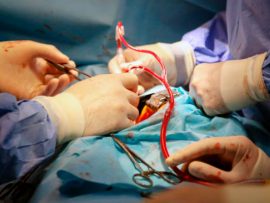
Abstract Decannulation of patients on peripheral veno-arterial extracorporeal membrane oxygenation (VA ECMO) typically involves femoral arterial cutdown and surgical arteriotomy closure in an operating room under general anesthesia. However, this..
Read More
Abstract Background: Veno-arterial extracorporeal membrane oxygenation (VA-ECMO) can re-establish tissue perfusion in refractory cardiac arrest requiring cardiopulmonary resuscitation (CPR). Levosimendan showed potential benefit in VA-ECMO weaning and mortality but was not..
Read More
Abstract Dual circulation is a common but underrecognized physiological occurrence associated with peripheral venoarterial extracorporeal membrane oxygenation (ECMO). Competitive flow will develop between blood ejected from the heart and blood..
Read More
Abstract Extracorporeal membrane oxygenation (ECMO) exposes patients to multiple radiologic studies. We hypothesized ECMO patients endure radiation exposure in excess of the International Commission of Radiological Protection (ICRP) recommendations of..
Read More
Abstract During extracorporeal membrane oxygenation (ECMO) blood is exposed to artificial surfaces, resulting in contact activation of the intrinsic coagulation pathway initiated by coagulation factor XII (FXII). Little is known..
Read More
Abstract Purpose Venoarterial extracorporeal membrane oxygenation (V-A ECMO) can be used to support severely ill patients with cardiogenic shock. While age is commonly used in patient selection, little is known..
Read More
Abstract Background: Hospitalized COVID-19 patients with hypoxemic respiratory failure may deteriorate despite invasive mechanical ventilation and thus require extracorporeal membrane oxygenation (ECMO) support. Unfractionated heparin (UFH) is the antithrombotic of..
Read More
Abstract The recent study by Scolari et al. [] entitled ‘Association between serum lactate levels and mortality in patients with cardiogenic shock receiving mechanical circulatory support: a multicenter retrospective cohort..
Read More
Abstract Assessment of native cardiac output during extracorporeal circulation is challenging. We assessed a modified Fick principle under conditions such as dead space and shunt in 13 anesthetized swine undergoing..
Read More
Abstract Hemodynamic instability in postresuscitation syndrome worsens survival and neurological outcomes. Venoarterial extracorporeal membrane oxygenation (VA ECMO) for refractory cardiac arrest might improve outcomes. Hemodynamical support under VA ECMO relies..
Read More
Abstract Background: VA-ECMO with concomitant Impella support (ECpella) is an emerging treatment modality for cardiogenic shock (CS). Survival outcomes by CS etiology with ECpella support have not been well-described. Methods: This study..
Read More
Abstract Background: Mortality and complication rates remain high with VA-ECMO. Understanding risk factors for mortality and post-ECMO functional status may aid conversations about prognosis. Methods: ELSO Registry data for adults supported with..
Read More
Abstract Mechanical circulatory support (MCS) is an emerging therapy for acute heart failure (AHF) or cardiogenic shock (CS) patients unresponsive to medicinal treatment. In China, common treatments using short-term MCS..
Read More
Abstract BACKGROUND: Although venoarterial extracorporeal membrane oxygenation (VA-ECMO) is beneficial for the treatment of profound cardiogenic shock, peripheral VA-ECMO cannulation can increase left ventricular afterload, thus compromising myocardial recovery. We..
Read More
Abstract The role of ECMO support in airway procedures
Read More
Abstract Artificial lung membranes as the core module of the extracorporeal membrane oxygenation technology (ECMO) execute the function of extracorporeal blood-gas barrier accomplishing CO2/O2 exchange with blood. However, the unsatisfactory hemocompatibility..
Read More
Abstract Background A multidisciplinary group of stakeholders were used to identify: (1) the core competencies of a training program required to perform in-hospital initiation (2) additional competencies required to perform pre-hospital initiation..
Read More