


Abstract After cardiac arrest, restoration of circulation is the first step toward survivorship. Extracorporeal CPR (ECPR), the use of veno-arterial extracorporeal membrane oxygenation (VA-ECMO) to restore circulation, is increasingly being..
Read More
Abstract We investigated echocardiographic and hemodynamic effects of intraaortic balloon pump (IABP) in 26 patients with cardiogenic shock on veno-arterial membrane oxygenation (VA ECMO). Our study demonstrated an 8.1% increase..
Read More
Abstract Objective The aim of this study was to evaluate and compare the predictive value of the neutrophil-to-lymphocyte ratio (NLR) and platelet-to-lymphocyte ratio (PLR) for nosocomial infection in patients undergoing..
Read More
Abstract Objective To investigate the factors contributing to the "ECMO gap," the discrepancy between successful weaning from venoarterial extracorporeal membrane oxygenation (VA-ECMO) and survival to hospital discharge, using different definitions..
Read More
Abstract A novel simulation-based mastery learning (SBML) course for extracorporeal membrane oxygenation (ECMO) cannulation—Introduction to ECMO Cannulation—was developed and tested at the Division of Cardiac Surgery at McMaster University in..
Read More
Abstract Poor or worsening functional status of lung transplant (LTx) candidates is a key risk factor for waitlist and post-transplant mortality. As more critically ill adults and children are listed..
Read More
Abstract Extracorporeal membrane oxygenation (ECMO) is a form of life support for critically ill patients with severe respiratory or cardiac failure. Interactions between patient blood and ECMO biomaterials increase the..
Read More
Abstract In-hospital mortality after venoarterial extracorporeal membrane oxygenation (VA-ECMO) remains high. This study compared the performance of the Survival after Venoarterial ECMO (SAVE) score with machine learning (ML) models incorporating..
Read More
Abstract Objective To review and compare the frequency of thrombus and adverse events in patients treated with heparin or bivalirudin systemic anticoagulation strategies supported on combined venoarterial extracorporeal membrane oxygenation..
Read More
Abstract Background Veno‑venous extracorporeal membrane oxygenation (VV‑ECMO) is associated with a high transfusion burden. While trials have concluded that red blood cell (RBC) storage does not impact patient morbidity and..
Read More
Abstract There are conflicting clinical data on whether the use of a distal perfusion catheter (DPC) is beneficial for reducing the risk of limb ischemia in peripheral venoarterial extracorporeal membrane..
Read More
Abstract Purpose The evidence supporting the benefit on clinical outcomes of prone positioning during veno-venous extracorporeal membrane oxygenation (V-V ECMO) for acute hypoxemic respiratory failure remains inconclusive. We aimed to..
Read More
Abstract The storing of dry-assembled and primed extracorporeal membrane oxygenation (ECMO) circuits is common practice and endorsed by the Extracorporeal Life Support Organization (ELSO) for up to 30 days. We..
Read More
Abstract Objective The use of an intra-aortic balloon pump (IABP) has been suggested to unload the left ventricle while on venoarterial extracorporeal membrane oxygenation (VA-ECMO) for cardiogenic shock (CS), leading..
Read More
Abstract Extracorporeal membrane oxygenation (ECMO) traditionally has been used under deep sedation and mechanical ventilation. However, recent advancements have led to the development of awake ECMO strategies, allowing patients to..
Read More
Abstract Introduction: In life-threatening conditions like severe acute respiratory distress syndrome (ARDS), rescue interventions like extracorporeal membrane oxygenation (ECMO) should be initiated urgently to resolve an otherwise potentially adverse clinical outcome...
Read More
Abstract In neonates with pulmonary hypertension (PH) supported on veno-venous extracorporeal membrane oxygenation (VV-ECMO), keeping the ductus arteriosus (DA) open ensures a high cardiac output of well-oxygenated blood through the..
Read More
Abstract Venovenous extracorporeal membrane oxygenation is the most commonly used mode of support in pre-lung transplant recipients. In patients who experience right ventricular dysfunction, venopulmonary ECMO is an excellent option..
Read More
Abstract Objectives: Previous studies have shown that inaccurate peripheral oxygen saturation (SpO2) readings compared with arterial oxygen saturation (SaO2) may occur in extracorporeal membrane oxygenation (ECMO) patients. We hypothesized that..
Read More
Abstract Introduction Cardiac arrest in the emergency department (ED) is a rare event. Prior studies have used dedicated cardiac arrest registries, but few have leveraged “big data” from electronic healthcare..
Read More
Abstract Rationale: Randomised clinical trials in intensive care often prioritize disease-focused outcomes rather than patient-centred outcomes. Objective: To report and evaluate the ‘Daily Organ Support for patients on extracorporeal membrane..
Read More
Abstract Background Venoarterial extracorporeal membrane oxygenation (V-A ECMO) use to support patients in cardiac failure is increasing. Despite this increased use, predicting successful weaning from ECMO can be challenging, no..
Read More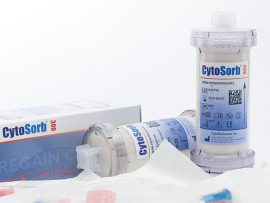
Abstract Background: Cardiopulmonary bypass (CPB) and extracorporeal membrane oxygenation (ECMO) are widely used. Previous methods to reduce inflammation have shown inconsistent results. We developed a cytokine adsorption column using polymethyl methacrylate..
Read More
Abstract Objective The outcomes of COVID-19 patients on venovenous extracorporeal membrane oxygenation (VV-ECMO) varied. We aim to investigate the variability concerning location and timeframe. We conducted a retrospective analysis of..
Read More
Abstract Extracorporeal membrane oxygenation (ECMO) is a crucial support for patients with severe cardiac or respiratory failure, but its availability is limited, often requiring patient transport to specialized centers. Only..
Read More
Abstract Background Early rehabilitation in an intensive care unit (ICU) can shorten the ICU stay and reduce the associated risks and costs. However, mobilization has been shown to be slower..
Read More
Abstract Acute brain injury (ABI) is prevalent among patients undergoing venoarterial extracorporeal membrane oxygenation (VA-ECMO) and significantly impact recovery. Early prediction of ABI could enable timely interventions to prevent adverse..
Read More
Abstract Introduction Extracorporeal membrane oxygenation (ECMO) is a life support system composed of a pump, an oxygenator, hemocompatible component coating, and integrated monitoring. ECMO systems have evolved greatly since the..
Read More
Abstract OBJECTIVES Although lung transplantation has experienced great development in the past decades, the survival rate remains low, and lung ischaemia–reperfusion injury during transplantation is a major cause of primary..
Read More
Abstract While iterative developments have improved outcomes of patients with myocardial infarction, mortality in patients with acute myocardial infarction cardiogenic shock (AMI-CS) remains stubbornly high. Several promising treatments have ultimately..
Read More