


Abstract Background: mRNA vaccines against severe acute respiratory syndrome coronavirus 2 (SARS-CoV-2) became common. We investigated the optimal timing for inoculation against SARS-COV-2 in the candidates for cardiac surgery under..
Read More
Abstract Objective Right ventricular (RV) dysfunction in cardiac surgery can lead to RV failure, which is associated with increased morbidity and mortality. Abnormal RV function can be identified using RV..
Read More
Levels of Circulating Ketone Bodies in Patients Undergoing Cardiac Surgery on Cardiopulmonary Bypass
Abstract Ketone bodies (KBs) are energy-efficient substrates utilized by the heart depending on its metabolic demand and substrate availability. Levels of circulating KBs have been shown to be elevated in..
Read More
Abstract Hemoperfusion is a therapeutic method in which a large volume of the patient's blood is passed over an adsorbent material to remove toxins from the blood. Adsorption is a..
Read More
Abstract Background Drug Reaction with Eosinophilia and Systemic Symptoms (DRESS) Syndrome is a severe adverse drug reaction marked by delayed hypersensitivity reactions causing skin and systemic complications. DRESS diagnosis is..
Read More
Abstract Background: In lung transplantation surgery, extracorporeal life support (ECLS) is essential for safety. Various support methods, including cardiopulmonary bypass (CPB) and off-pump techniques, are used, with extracorporeal membrane oxygenation (ECMO)..
Read More
Abstract Objective Cardiac surgery with cardiopulmonary bypass (CPB) is associated with hypofibrinogenemia and severe bleeding requiring transfusion. Guidelines recommend cryoprecipitate or fibrinogen concentrate (FC) for the treatment of acquired hypofibrinogenemia...
Read More
Abstract Objective Compared with fresh frozen plasma (FFP), Omniplasma has been attributed to an increased coagulation potential and an increased fibrinolytic potential. This study aimed to compare Omniplasma and FFP..
Read More
Abstract Background Reduced oxygen delivery (DO2) during cardiopulmonary bypass (CPB) was proposed as a risk factor for the development of postoperative neurological complications (PONCs), including cerebrovascular accidents (CVA), delirium, and..
Read More
Abstract The physiologic impact of pulsatile flow (PF) on end-organ perfusion during cardiopulmonary bypass (CPB) is controversial. Using an intra-aortic balloon pump (IABP) to maintain PF during CPB for patients..
Read More
Abstract Background Primary malignant cardiac tumors are rare in clinic, and surgical resection under cardiopulmonary bypass (CPB) remains the main treatment. The non-physiological perfusion process of CPB leads to contact activation,..
Read More
Abstract Cardiopulmonary bypass (CPB) is a common technique in cardiac surgery but is associated with acute kidney injury (AKI), which carries considerable morbidity and mortality. In this review, we explore..
Read More
Abstract Introduction Over the past decade, there has been an increase in the use of recombinant Anti-Thrombin III (AT-III) administration during neonatal and pediatric short- and long-term mechanical support for..
Read More
Abstract Introduction Retrograde Autologous Priming (RAP) of cardiopulmonary bypass (CPB) circuits is an effective way to reduce prime volume, commonly through the transfer of prime into separate reservoirs or circuit..
Read More
Abstract Goal: Microbubbles (MBs) are known to occur within the circuits of cardiopulmonary bypass (CPB) systems, and higher-order dysfunction after cardiac surgery may be caused by MBs as well as..
Read More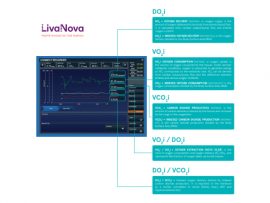
Abstract Purpose: Goal-directed perfusion (GDP) refers to individualized goal-directed therapy using comprehensive monitoring and optimizing the delivery of oxygen during cardiopulmonary bypass (CPB). This study aims to determine whether the intraoperative..
Read More
Abstract Objective: To investigate the correlation between the amount of sufentanil used during anesthesia and intraoperative hemodynamic fluctuation and postoperative recovery in patients undergoing cardiopulmonary bypass (CPB). Materials and Methods: A retrospective..
Read More
Abstract We tested whether the brain and kidney respond differently to cardiopulmonary bypass (CPB) and to changes in perfusion conditions during CPB. Therefore, in ovine CPB, we assessed regional cerebral..
Read More
Abstract Intraoperative antithrombotic drug removal by haemoadsorption is a novel strategy to reduce perioperative bleeding in patients on antithrombotic drugs undergoing cardiac surgery. The international STAR registry reports real-world clinical..
Read More
Abstract Objectives To investigate the effect of retrograde autologous priming (RAP) on coagulation function using rotation thromboelastometry (ROTEM) in patients undergoing valvular cardiac surgery. Design A prospective, randomized, patient- and outcome assessor-blinded study...
Read More
Abstract Nowadays, the necessity of having a cardioplegia circuit capable of being adapted in order to administer different types of cardioplegia is strategically fundamental, both for the perfusionist and for..
Read More
Abstract Introduction Targeted temperature management (TTM) is considered to be a neuroprotective strategy during cardiopulmonary bypass (CPB) assisted procedures, possibly through the activation of cold shock proteins. We therefore investigated..
Read More
Abstract Objective Several machine learning (ML) models have been used in perioperative red blood cell (RBC) transfusion risk for cardiac surgery with limited and no external validation. Hence, we sought to..
Read More
Abstract Background: The conventional method of heparin and protamine management during cardiopulmonary bypass (CPB) is based on total body weight which fails to account for the heterogeneous response to heparin in each patient...
Read More
Abstract OBJECTIVES Postoperative delirium (POD) is common, costly and associated with long-term morbidity and increased mortality. We conducted a cohort study to assess the contribution of cardiopulmonary bypass (CPB) to..
Read More
Abstract Background The presence of dextran sulfate (DS) in reagents and the type of blood collection tube (citrate/citrated-theophylline-adenosine-dipyridamole [CTAD]) can lead to discrepancies between unfractionated heparin (UFH) anti-Xa levels. Objectives ..
Read More
Abstract BACKGROUND: Cardiac surgery with cardiopulmonary bypass (CPB) is associated with hemolysis. Yet, there is no easily available and frequently measured marker to monitor this hemolysis. However, carboxyhemoglobin (CO-Hb), formed..
Read More
Abstract Introduction: Intraoperative ultrafiltration (UF) is a procedure used during cardiopulmonary bypass (CPB) to reduce haemodilution and prevent excessive blood transfusion. However, the effect of UF volume on acute kidney injury..
Read More
Abstract Background Coronary artery bypass grafting (CABG) is considered the choice treatment for patients suffering from coronary artery disease (CAD). In the inflammatory milieu of cardiopulmonary bypass (CPB), systemic inflammatory..
Read More
Abstract Background During cardiopulmonary bypass (CPB), maintaining adequate oxygen consumption (VO2i) can only be achieved indirectly either by modifying oxygen delivery (DO2i) through its component parts or by modulating metabolic demand..
Read More