


Abstract Background: Ultrafiltration is used with cardiopulmonary bypass to reduce the effects of hemodilution and restore electrolyte balance. We performed a systematic review and meta-analysis to analyze the effect..
Read More
Abstract Objective This study aims to compare the efficacy and safety of activated recombinant factor VII (rFVIIa) and prothrombin complex concentrate (PCC) in the treatment of bleeding complications following surgery..
Read More
Abstract Background Fibrinogen γ-chain peptide-coated, adenosine 5'-diphosphate (ADP)-encapsulated liposomes (H12-ADP-liposomes) are potent hemostatic adjuvants that promote platelet thrombi formation at bleeding sites. Although we have reported the efficacy of these..
Read More
Abstract BACKGROUND: We analyzed bleeding and thrombotic complications in COVID-19–associated ARDS requiring extracorporeal membrane oxygenation (ECMO). METHODS: This was a single-center observational study of adult subjects undergoing ECMO for COVID-19 (n = 67)..
Read More
Abstract Background Cell salvage reduces allogenic blood transfusion requirements in surgery. We present a pilot study exploring the impact of anticoagulant choice, citrate or heparin, on the quality of cell..
Read More
Abstract Introduction Bloodless cardiac surgery refers to open-heart surgery without blood or blood products. The cardiopulmonary bypass (CPB) circuits are primed with crystalloid solely, and there is no intraoperative blood..
Read More
Abstract Background Anticoagulation is critical in patients supported on extracorporeal membrane oxygenation (ECMO). The appropriate monitoring strategies for heparin remain unclear. Objectives This systematic review aimed to compare the accuracy..
Read More
Abstract Bleeding is a leading cause of perioperative mortality []. In a perioperative setting, damage control surgery with massive transfusion protocols (MTPs) are therapeutic approaches used clinically to manage patients..
Read More
Abstract Objective This study was aimed to elucidate the effect of the intraoperative cell saver (CS) on hyperlactatemia of patients who underwent cardiac surgery. Design A sub-analysis of the CS..
Read More
Abstract Background Postoperative pulmonary complications increase mortality after cardiac surgery. Conventional ultrafiltration may reduce pulmonary complications by removing mediators of bypass-induced inflammation and countering hemodilution. We tested the primary hypothesis..
Read More
Abstract Background Anaemia and blood transfusion are two independent contributing factors to perioperative morbidity in cardiac surgery. While preoperative treatment of anaemia has been shown to improve outcomes, in real..
Read More
Abstract Background: Neurocognitive decline (NCD) is a common complication of cardiac surgery. Understanding risk factors helps surgeons counsel patients pre- and peri-operatively about risk, prevention, and treatment. Results: Eighty-four patients undergoing cardiac surgery utilizing..
Read More
Abstract Congenital heart defect (CHD) surgeries are performed with cardiopulmonary bypass (CPB) and are complicated by several factors that affect the child’s brain. However, to date, the number of studies..
Read More
Abstract Objective No recent prospective studies have analyzed the accuracy of standard coagulation tests and thromboelastography (TEG) to identify patients with excessive microvascular bleeding following cardiopulmonary bypass (CPB). The aim..
Read More
Abstract BACKGROUND: Postoperative use of platelet function testing to rule out microvascular bleeding due to platelet dysfunction after cardiac surgery still lacks strong reference data and reliable cutoff values, yielding..
Read More
Abstract Viscoelastic coagulation tests have been increasingly used for hemostasis management in cardiac surgery. The ClotPro system is a novel viscoelastic device based on principles of rotational thromboelastometry. We aimed..
Read More
Abstract Background Rapid fluid administration may decrease hemoglobin concentration (Hb) by a diluting effect, which could limit the increase in oxygen delivery (DO2) expected with a positive response to fluid..
Read More
Abstract The loss of 50% blood volume is one accepted definition of massive haemorrhage, which ordinarily would trigger the massive transfusion protocol, involving the administration of high ratios of fresh..
Read More
Abstract Blood conservation practice in pediatric cardiac surgery has not been consistently adopted as quality improvement in many centers despite known risks associated with allogeneic blood products, shortage of donors,..
Read More
Abstract Purpose of review The particular fields within patient blood management (PBM) and patient safety reviewed here include novel insights into bleeding therapy, autologous cell salvage, and perioperative anemia therapy. Recent finding World Health Organization..
Read More
Abstract Objectives: To investigate the effect of albumin exposure in ICU after cardiac surgery on hospital mortality, complications, and costs. Design: A retrospective, single-center cohort study with economic evaluation. Setting:..
Read More
Abstract A countrywide study over the eras indicates overuse of blood transfusion can have considerable risks to patients accompanied by significant costs of blood transfusion for patients, hospitals, and health-care..
Read More
Abstract Background: New era of cardiac surgery aims to provide an enhanced postoperative recovery through the implementation of every step of the process. Thus, perfusion strategy should adopt evidence-based measures..
Read More
Abstract Introduction We hypothesized that perioperative fibrinogen level, platelet count, and rotational thromboelastometry (ROTEM) data values decrease in proportion to cardiopulmonary bypass (CPB) time, particularly in patients who underwent deep..
Read More
Abstract Background: Extracorporeal membrane oxygenation (ECMO) is a form of life support that targets the heart and lungs. Extracorporeal membrane oxygenation for severe respiratory failure accesses and returns blood from the..
Read More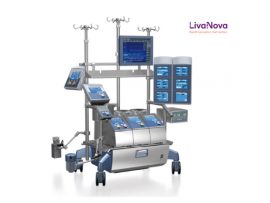
Abstract Purpose Anemia and red cell transfusion contribute to morbidity and mortality of surgery. The concept of patient blood management to mitigate preoperative anemia, optimize coagulation, conserve red cells intraoperatively..
Read More
Abstract La práctica del trasplante AB0 incompatible (AB0i) surgió en el Hospital Sick Children de Toronto (Canadá) bajo el liderazgo de la Doctora Lori J. West, cardióloga e inmunóloga pediátrica..
Read More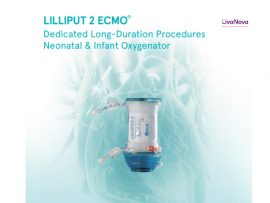
Abstract Background Pediatric patients on extracorporeal membrane oxygenation (ECMO) often receive repeated red blood cell (RBC) transfusions. This study aims to quantify and characterize causes of RBC loss on ECMO...
Read More
Abstract Acute kidney injury (AKI) is one of the most common major complications of cardiac surgery, and is associated with increased morbidity and mortality. Cardiac surgery-associated AKI has a complex,..
Read More
Abstract Introduction Cardiac surgery associated acute kidney injury (CSA-AKI) has a number of preoperative and intraoperative risk factors. Cardiopulmonary bypass (CPB) factors have not yet been elucidated in a single..
Read More