


Abstract Background Stroke affects surgical decision making and outcomes of neonatal cardiac surgery (CHS). We sought to assess the burden of stroke in this population from a large multicenter database...
Read More
Abstract Objectives The FUWAI-SAVE system is a modified low-priming cardiopulmonary bypass (CPB) system. The study aimed to explore whether the FUWAI-SAVE system can reduce the perioperative blood transfusion and its..
Read More
Abstract Objectives Minimally invasive cardiac surgery techniques are increasingly used but have longer cardiopulmonary bypass time, which may increase inflammatory response and negatively affect coagulation. Our aim was to compare..
Read More
Abstract Stroke and intracranial hemorrhage (ICH) are serious complications that are difficult to manage during surgery for active infectious endocarditis (AIE). Relevant society guidelines still recommend delaying the cardiac surgery..
Read More
Abstract To the Editor, After more than a decade of focused research, significant advancements have been made in the technology of cardiopulmonary bypass perfusion (CPB) for Type A aortic dissection (TAAD). Notably, there has been..
Read More
Abstract Acute respiratory distress syndrome (ARDS) comprises 10–30% of critical care admissions worldwide []. ARDS outcomes have improved secondary to ventilatory strategies that may potentially mitigate ventilator-induced lung injury []...
Read More
Abstract Background Extracorporeal membrane oxygenation (ECMO) is increasingly being used for critically ill patients with cardiopulmonary failure. Air in the ECMO circuit is an emergency, a rare but fatal complication...
Read More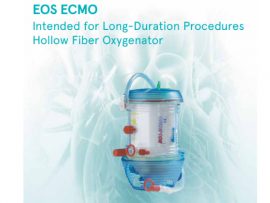
Abstract Background: Extracorporeal membrane oxygenation (ECMO) represents a potentially lifesaving support for respiratory and/or circulatory failure but its availability is limited to larger medical centers. A well-organized regional ECMO center..
Read More
Abstract Thermodilution methods to determine cardiac output (CO) may be affected by veno-venous extracorporeal membrane oxygenation (ECMO). We compared CO estimations by pulmonary arterial thermodilution using a pulmonary arterial catheter..
Read More
Abstract Introduction Medication errors are an unnecessary cost to a healthcare system and patients of a country. This review aimed to systematically identify published cost variables used to calculate the cost..
Read More
Abstract Distance simulation is a method of health care training in which the learners and facilitators are in different physical locations. Although methods of distance simulation have existed in health..
Read More
Abstract Objectives Myocardial revascularisation and cardiopulmonary bypass (CPB) can cause ischaemia-reperfusion injury, leading to myocardial and other end-organ damage. Volatile anaesthetics protect the myocardium in experimental studies. However, there is uncertainty..
Read More
Abstract Thoracoabdominal normothermic regional perfusion (TA-NRP) is increasingly implemented in donation after circulatory determination of death (DCD). Thoracoabdominal normothermic regional perfusion allows thoracic and abdominal organs to be perfused with..
Read More
Abstract Introduction The use of del Nido cardioplegia has increased in the adult cardiac surgery population. Centers have adopted the formula with a variety of circuit systems. This report includes..
Read More
Abstract Thrombotic complications during and after extracorporeal membrane oxygenation (ECMO) are commonly observed clinically. The incidences of cannula-associated deep vein thrombosis (CaDVT) post-ECMO support have predominantly focused on Caucasian demographics...
Read More
Abstract Background Extracorporeal circulation causes a systemic inflammatory response, that may cause postoperative haemodynamic instability and end-organ dysfunction. This study aimed to investigate the impact of minimal invasive extracorporeal circulation..
Read More
Abstract Effect of Cardiopulmonary bypass on Lungs: organ damage during cardiac surgery has been primarily attributed to the use of CPB. Pulmonary function in patients after CPB is consistently altered..
Read More
Abstract Cardiopulmonary bypass (CPB) can alter pharmacokinetic (PK) parameters and the drug may adsorb to the CPB device, altering exposure. Cefazolin is a beta-lactam antibiotic used for antimicrobial prophylaxis during..
Read More
Abstract Objective To analyze if the implementation of a multidisciplinary extracorporeal cardiopulmonary resuscitation (ECPR) program in a tertiary hospital in Spain is feasible and could yield survival outcomes similar to..
Read More
Abstract OBJECTIVES Activated clotting time (ACT) is commonly used to monitor anticoagulation during cardiac surgeries. Final ACT values may be essential to predict postoperative bleeding and transfusions, although ideal values..
Read More
Abstract Introduction Exogenous haptoglobin administration may enhance plasma-free hemoglobin (pfHb) clearance during hemolysis, and reduce its end-organ damage: we sought to systematically review and summarize available evidence on the use..
Read More
Abstract Purpose Veno-venous extracorporeal membrane oxygenation (VV-ECMO) is an integral part of the management algorithm of patients with severe respiratory failure refractory to evidence-based conventional treatments. Right ventricular injury (RVI)..
Read More
Abstract OBJECTIVES The multifactorial dynamic perfusion index was recently introduced as a predictor of cardiac surgery-associated acute kidney injury. The multifactorial dynamic perfusion index was developed based on retrospective data..
Read More
Abstract Comprehensive optimization of rotodynamic blood pumps (RBPs) requires the consideration of three partially conflicting objectives: size, hemocompatibility, and motor efficiency. Optimizing these individual objectives independently, the potential of multiobjective..
Read More
Abstract The endothelial glycocalyx (EGC) is a layer of proteoglycans (associated with glycosaminoglycans) and glycoproteins, which adsorbs plasma proteins on the luminal surface of endothelial cells. Its main function is..
Read More
Abstract Drug treatments for coronavirus disease 2019 (COVID-19) dramatically improve patient outcomes, and although extracorporeal membrane oxygenation (ECMO) has significant use in these patients, it is unknown whether ECMO affects..
Read More
Abstract Cell-free hemoglobin (CFH) is used to detect hemolysis and was recently suggested to trigger acute lung injury. However, its role has not been elucidated in severe acute respiratory distress..
Read More
Abstract Introduction Pump-controlled retrograde trial off (PCRTO) is described as an effective weaning strategy for veno-arterial extracorporeal membrane oxygenation (ECMO) in the guidelines. Contrastingly, there is no established weaning strategy..
Read More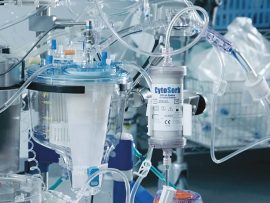
Abstract Background Rhabdomyolysis describes a syndrome characterized by muscle necrosis and the subsequent release of creatine kinase and myoglobin into the circulation. Myoglobin elimination with extracorporeal hemoadsorption has been shown..
Read More
Abstract During the coronavirus 2019 (COVID-19) pandemic, children suffered severe lung injury resulting in acute respiratory distress syndrome requiring support with extracorporeal membrane oxygenation (ECMO). In this case series, we..
Read More