


Abstract Background: A critical incident is described as any unplanned event which causes, or has the potential to cause, injury to a patient. Critical incident debriefing is a team discussion..
Read More
Abstract Background: Decreased cerebral oximetry (rSO2) in cardiac surgery is associated with postoperative delirium (POD). However, interventions optimizing intraoperative rSO2 are inconclusive. Methods: In this prospective observational cohort study, the..
Read More
Abstract Valve-sparing root replacement (VSRR) has been performed for more than 30 years, both electively and in emergencies, with excellent long-term clinical outcomes. There are 2 main types of VSRR:..
Read More
Abstract Objective: This study evaluated the incidence, causes, and predictors of intraoperative conversion from off-pump coronary artery bypass grafting (OPCAB) to on-pump coronary artery bypass grafting (ONCAB), identifying risk factors..
Read More
Abstract Background and Objective Patients undergoing cardiac surgery consume more than 50% of blood transfusions, and such transfusions have been associated with increased morbidity and mortality. Evidence in blood-saving techniques..
Read More
Abstract In the issue of the journal, Claessens et al. [] present a large case series of non-robotic totally endoscopic coronary artery bypass (TECAB) surgery. They summarize the outcomes of 1500 patients..
Read More
Abstract Background and Objectives Transfusions are common, but their use is decreasing in some countries as a result of increased risk awareness and the implementation of patient blood management (PBM),..
Read More
Abstract The currently available point-of-care hemostasis tests are burdened by criticisms concerning the use of different activators and inhibitors and the lack of dynamic flow. These operating conditions may constitute..
Read More
Abstract Background: In Canada, the health care system has been estimated to generate 33 million metric tons of greenhouse gas emissions annually. Health care systems, specifically operating rooms (ORs), are..
Read More
Abstract Heart transplantation (HT) is the gold standard treatment of end-stage heart disease. Waitlist mortality remains high due to a shortage of available donor organs. Donation after circulatory death (DCD)..
Read More
Abstract Purpose: Whether skin disinfection of the surgical site using chlorhexidine‑alcohol is superior to povidone‑iodine‑alcohol in reducing reoperation and surgical site infection rates after major cardiac surgery remains unclear. ..
Read More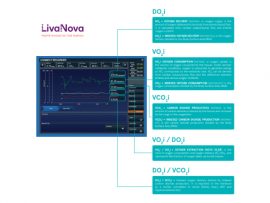
As the field of organ transplantation continues to evolve, the use of Donation after Circulatory Death (DCD) donors has emerged as a critical method to expand the donor pool. However,..
Read More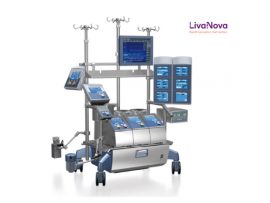
Abstract During retrograde autologous priming (RAP), some patients develop hypotension and hemodynamic instability, which impedes the procedure. This study aimed to demonstrate the effects of RAP on transfusion requirements and..
Read More
Abstract Background Guideline-based care of patients requiring extracorporeal membranous oxygenation, a form of life support for patients with refractory respiratory and/or cardiac failure, requires a multidisciplinary approach, yet a detailed..
Read More
Abstract Background: Extracorporeal membrane oxygenation (ECMO) is a vital mechanical circulatory support used with increasing frequency in complex congenital cardiac surgeries. This study evaluated the outcomes of a protocol-based venoarterial..
Read More
Abstract The use of temporary mechanical circulatory support (tMCS) in cardiogenic shock patients has increased during the last decades with most management strategies relying on observational studies and expert opinion,..
Read More
Abstract Objectives: To test feasibility of a randomized controlled trial (RCT) with an endpoint of time at goal anticoagulation in children on extracorporeal membrane oxygenation (ECMO) randomized to receive bivalirudin..
Read More
Abstract Objective We aimed to characterize chronologic trends of gender composition of the editorial boards of major cardiothoracic surgery journals in the current era. Methods A cross-sectional analysis was performed..
Read More
Abstract Extracorporeal cardiopulmonary resuscitation (ECPR) describes the use of venoarterial extracorporeal membrane oxygenation (VA-ECMO) to restore blood circulation in patients during refractory cardiac arrest. So far, ECPR is not the..
Read More
Abstract Extracorporeal membrane oxygenation (ECMO) provides temporary cardiorespiratory support for neonatal, pediatric, and adult patients when traditional management has failed. This lifesaving therapy has intrinsic risks, including the development of..
Read More
Abstract Anticoagulation is an essential component of optimal extracorporeal membrane oxygenation (ECMO) management. Unfractionated heparin is still the anticoagulant of choice in most centers due to longstanding familiarity with the..
Read More
Abstract The process of placing a patient on venoarterial extracorporeal membrane oxygenation (VA-ECMO) is complex and requires the activation and coordination of numerous personnel from a variety of disciplines to..
Read More
Abstract Background Retrohepatic inferior vena cava (IVC) injuries remain among the most lethal and serious liver injuries. Gauze packing is currently the first choice for IVC injuries; however, laparotomy itself poses..
Read More
Abstract Infants with congenital diaphragmatic hernia (CDH) benefit from comprehensive multidisciplinary teams that have experience in caring for the unique and complex issues associated with CDH. Despite prenatal referral to..
Read More
Abstract This 5 year retrospective study presents the clinical experience with preprimed extracorporeal membrane oxygenation (ECMO) circuits used in a Single Hub Center Hospital, focusing on sterility, functionality, and safety...
Read More
Abstract Purpose Venoarterial extracorporeal membrane oxygenation (VA ECMO) is used in patients with refractory cardiac or cardio-pulmonary failure. Native ventricular output interacts with VA ECMO flow and may hinder sufficient..
Read More
Abstract This referral center prospective inception cohort study included 84 consecutive children having extracorporeal membrane oxygenation (ECMO) for noncardiac illness indications at the age of less than 6 years from..
Read More
Abstract Adverse events (AEs) experienced by children and adults with congenital heart disease (CHD) on ventricular assist devices (VADs) are sometimes unique to these populations. The Advanced Cardiac Therapies Improving..
Read More
Abstract Purpose One in four deaths worldwide is due to thromboembolic disease; that is, one in four people die from blood clots first forming and then breaking off or embolizing...
Read More
Abstract Objectives Extracorporeal cardiopulmonary resuscitation (ECPR) can save patients with refractory cardiac arrest; however, according to recent meta-analyses, only 20% of patients achieve favorable outcomes (Modified Rankin Scale 0-3). We..
Read More