
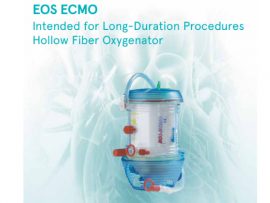

Abstract Extracorporeal membrane oxygenation (ECMO) can support patients with severe cardiorespiratory failure presenting with hypoxia who would otherwise have not survived. Patient selection for ECMO is challenging and relies on..
Read More
Abstract Background It has long been held that the safe duration of hypothermic circulatory arrest (HCA) is at least 25 to 30 minutes. However, this belief is based primarily on..
Read More
Abstract Objective To systematically evaluate the impact of the Trendelenburg position on hemodynamic parameters in adult patients. Design Systematic literature review and meta-analysis using PubMed and Medline. Setting All prospective..
Read More
Abstract Hypothermic oxygenated perfusion (HOPE) is an emerging technique for donor heart preservation that is currently being studied in multiple clinical trials with promising results. When compared to HOPE for..
Read More
Abstract Background Survival for cardiac arrest remains poor, and the use of extracorporeal cardiopulmonary resuscitation (ECPR) has been suggested as a potential therapy to improve outcomes. Harefield Hospital has been performing..
Read More
Abstract Background Acute lung injury and acute respiratory failure are frequent complications of cardiogenic shock and are associated with increased morbidity and mortality. Even with increased use of temporary mechanical..
Read More
Abstract Background Systemic hypothermia with bilateral antegrade selective cerebral perfusion (ASCP) is the preferred cerebral protective strategy for type A aortic dissection surgery. The optimal ASCP flow rate remains uncertain..
Read More
Abstract Background Today, with wars raging in Ukraine and the Middle East, the demand for blood is high. Despite this, few companies produce the necessary equipment to draw, store, and..
Read More
Abstract Acute kidney injury (AKI) is a common, heterogeneous, multifactorial condition, which is part of the overarching syndrome of acute kidney diseases and disorders. This condition's incidence highest in low-income..
Read More
Abstract Severe accidental hypothermia can lead to cardiac arrest. The most efficient method of resuscitating and warming is by ECMO (Extracorporeal Membrane Oxygenation). While the convention is to use VA..
Read More
Abstract Epinephrine, the standard treatment for anaphylaxis, is a lifesaving medication that can cause detrimental complications due to wrong-dose or wrong-route errors. Although the known toxicities of epinephrine such as..
Read More
Abstract Background. The global shortage of solid organs for transplantation is exacerbated by high demand, resulting in organ deficits and steadily growing waiting lists. Diverse strategies have been established to..
Read More
Abstract Introduction: The factors contributing to blood loss during hemodialysis (HD) procedures remain underexplored. This study aimed to quantify blood loss during HD and identify the potential factors associated with it. ..
Read More
Abstract Over the past two decades, extracorporeal membrane oxygenation (ECMO) has been increasingly used to support critical patients with cardiac and respiratory failure who fail to respond to conventional management...
Read More
Since 1991, the ‘European Board of Cardiovascular Perfusion (EBCP)’ has played a vital role in the European healthcare system by overseeing and promoting the field of cardiovascular clinical perfusion. Through..
Read More
Abstract The systemic inflammatory response after cardiopulmonary bypass has been widely studied. However, there is a paucity of studies that focus on the local inflammatory changes that occur in the..
Read More
Andexanet Alfa–Associated Heparin Resistance in Cardiac Surgery: Mechanism and In Vitro Perspectives
Abstract BACKGROUND: Andexanet alfa (andexanet) is the only Food and Drug Administration–approved antidote for direct FXa (factor Xa) inhibitors but has been reported to cause resistance to unfractionated heparin (UFH)...
Read More
Abstract Cardiac surgery patients are potentially exposed to an acute inflammatory host response with a huge release of both pro- and anti-inflammatory cytokines both through intrinsic (e.g., tissue damage, endothelial..
Read More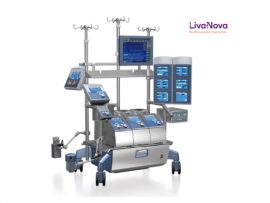
Abstract Background The study objective was to determine the impact of cardiopulmonary bypass perfusion modalities on cerebral hemodynamics and clinical outcomes in congenital cardiac surgery patients stratified by acyanotic versus..
Read More
Abstract Background Reliable myocardial protection is essential for a good outcome after arterial switch operation. Patients and Methods We evaluated 56 neonates with arterial switch operation in this retrospective study...
Read More
Abstract Background While the number of cardiac surgery programs in sub-Saharan Africa are increasing, it is still insufficient. With only 0.08 pediatric cardiac surgeons per million people, few cardiac centers..
Read More
Abstract Objective This study aims to compare the effects of sevoflurane (SEV) and propofol (PRO) on postoperative cognitive dysfunction (POCD) in patients undergoing cardiac surgery (CS) under cardiopulmonary bypass (CPB),..
Read More
Abstract Traditional patient safety protocols are based on the historic principle of the Hippocratic oath intended to abstain from inflicting harm on our patients (”Primum non nocere”) []. In spite..
Read More
Abstract Intraoperative cell salvage (IOCS) allows the collection, treatment, and retransfusion of shed blood from the surgical field and cardiopulmonary bypass (CPB) collector during cardiac surgery. This technique has been..
Read More
Abstract Background The administration of blood components and their alternatives can be lifesaving. Anaemia, bleeding and transfusion are all associated with poor peri-operative outcomes. Considerable changes in the approaches to..
Read More
Abstract Measuring the quality of healthcare has become increasingly important, with surgery not exempt from such evaluation. As technological opportunities and novel developments broaden the range and complexity of treatments..
Read More
Abstract Background Low oxygen delivery (DO2) on cardiopulmonary bypass has been associated with acute kidney injury. We sought to determine the association of intraoperative DO2, postoperative length of stay, and..
Read More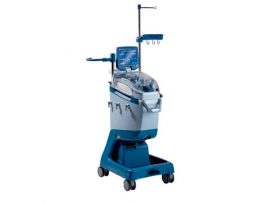
Abstract Rationale Postpartum haemorrhage (PPH), defined as a blood loss of 500 mL or more within 24 hours of birth, is the leading global cause of maternal morbidity and mortality...
Read More
Abstract OBJECTIVES Cardiac surgery remains one of the most gender-imbalanced surgical specialties. Women constitute 6–11% of the North American workforce, while other regional data are scarce. Despite the acknowledged under-representation..
Read More
Abstract Background: Delirium is an acute state of confusion associated with adverse postoperative outcomes. Delirium is diagnosed clinically using screening tools; most cases go undetected. Identifying a delirium biomarker would..
Read More