


Abstract Background: Veno-arterial extracorporeal membrane oxygenation (VA-ECMO) and cardiopulmonary bypass (CPB) are used during pediatric heart surgery to provide cardiopulmonary support to patients as they undergo and recover from surgical..
Read More
Abstract Background:Infants with CHD who undergo cardiopulmonary bypass surgery are at risk of impaired growth and neurodevelopment. However, few studies have thoroughly investigated the risk factors for growth and neurodevelopmental..
Read More
Abstract OBJECTIVES: Vasoplegia is a common complication of cardiac surgery that uses cardiopulmonary bypass and contributes to morbidity and mortality, yet a consensus definition does not exist. The objective of..
Read More
Abstract Cold-stored platelets were abandoned in the 1960s after demonstration of an increased clearance in vivo due to an irreversible activated phenotype. Difficulties in storage, logistics, and the increased requirement..
Read More
Abstract Baseline cerebral regional oxygen saturation (rSO₂) measured with the INVOS 5100C near-infrared spectroscopy (NIRS) device has been reported to correlate primarily with preoperative B-type natriuretic peptide (BNP) and hemoglobin..
Read More
Abstract Objective: To compare the effects of intraoperative cell salvage (ICS) and preoperative autologous blood donation (PABD) on postoperative coagulation and platelet function in patients undergoing cardiac surgery, and to..
Read More
Abstract Acute kidney injury (AKI) affects 40–50% of cardiac surgery patients and is closely linked to renal medullary hypoxia. Although urinary oxygen partial pressure (PuO2) offers real-time insight into renal..
Read More
Abstract Background This study aimed to develop a data-driven prediction model for cardiac surgery-associated acute kidney injury (CSA-AKI) at the end of surgery using machine learning (ML) algorithms. Methods We..
Read More
Abstract Background Simulation-based education (SBE) improves learner competence, patient safety and workforce readiness. Yet, existing frameworks such as INACSL and ASPiH provide limited guidance on developing sustainable, institution-wide strategies, particularly..
Read More
Abstract Importance Platelet transfusion is critical in managing major bleeding, but access to liquid-stored platelets is limited by their 5- to 7-day shelf life. Cryopreserved platelets last up to 2 years..
Read More
Abstract Background Coronary artery bypass grafting (CABG) carries a high risk of bleeding and allogeneic blood transfusions, both associated with poor outcomes. We assessed perioperative transfusions and factors associated with..
Read More
Abstract Optimized Extracorporeal Perfusion Strategy: A New Concept Early heart-lung machines were mechanically simple, with rudimentary monitoring capabilities, and caused pronounced physiological disturbances due to large priming volumes and uncoated..
Read More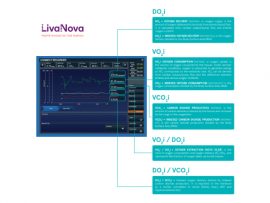
Abstract Pulmonary endarterectomy (PEA) remains the curative surgical option for chronic thromboembolic pulmonary hypertension (CTEPH), a condition requiring precise cardiopulmonary bypass (CPB) management to balance cerebral protection, myocardial preservation, and..
Read More
Abstract Purpose: Cryoprecipitate has been covered by Japanese national health insurance since 2020 for cardiopulmonary bypass (CPB)-induced hypofibrinogenemia. This study evaluated the clinical efficacy of in-house cryoprecipitate use in patients..
Read More
Abstract Background/Objectives: Whether a remote history of SARS-CoV-2 infection independently affects early haemodynamic stability after elective cardiopulmonary bypass (CPB) remains uncertain. We evaluated whether prior COVID-19 (>7 weeks before surgery)..
Read More
Abstract Acute kidney injury (AKI) is a significant complication following cardiac surgery, affecting 20% to 30% of patients and contributing to increased morbidity and mortality. Cardiac surgery–associated AKI (CSA-AKI) is..
Read More
Abstract Cardiac surgery poses specific challenges in fluid management. The role of albumin administration during cardiac surgery has long been controversial. Although it has theoretical advantages, it is expensive and..
Read More
Abstract Background Elevated central venous pressure during cardiac surgery can lead to increased renal venous pressure, subsequently resulting in renal insufficiency. However, there is a lack of animal models available..
Read More
Abstract This narrative review summarizes current evidence on the role of aminothiols as biomarkers of oxidative stress in patients undergoing coronary artery bypass grafting (CABG). CABG is accompanied by profound..
Read More
Abstract Background Children with congenital heart disease are at risk for poor neurodevelopment. The gut microbiome may influence neurodevelopmental outcomes through the gut-brain axis. This study investigated the association of..
Read More
Abstract Separation from cardiopulmonary bypass (CPB) is a critical phase of cardiac surgery, particularly in patients with pulmonary hypertension and right heart failure. Milrinone, a phosphodiesterase inhibitor, is often used..
Read More
Abstract Introduction Vacuum-assisted venous drainage (VAVD) has been proposed as a better alternative option than conventional gravitational venous drainage (GVD) in cardiac surgery. However, the literature reports conflicting results between..
Read More
Abstract Background Postoperative bleeding is a major concern in cardiac surgery, often leading to significant transfusion requirements. Despite this high transfusion demand, the use of postoperative autologous blood transfusion (PABT)..
Read More
Abstract Objectives Cardiac surgical training in today's day and age faces significant challenges, including declining operative volumes, increasing case complexity, transcatheter interventions, and shorter training programmes, amongst others. Although it..
Read More
Abstract Background Acute Kidney Injury (AKI) is a frequent post-operative complication following cardiac surgery in the clinical setting. Iron metabolism disorders are a key cause of kidney injury during the..
Read More
Abstract Sweep gas nitric oxide (sNO) is emerging as an adjunctive therapy, which may have positive impacts on thrombosis and inflammation during ECMO treatment. sNO is administered to the gas..
Read More
Abstract Objectives Neonates with complex congenital heart disease (CHD), in particular newborns with hypoplastic left heart syndrome (HLHS) or transposition of the great arteries (TGA), may show brain pathologies and..
Read More
Abstract Cancer surgery accounts for a substantial proportion of allogeneic blood use. As demographic changes lead to a growing number of oncologic procedures, transfusion demands are increasing, while blood supply..
Read More
Abstract Many of us have looked at the dying trauma patient and wondered: why can’t we do better? The pathology is often deceptively simple—either there’s not enough circulating blood volume or a..
Read More
Abstract Assessment of readiness for venoarterial extracorporeal membrane oxygenation (VA ECMO) weaning relies on hemodynamic and metabolic parameters of cardiac and respiratory functions. Lactate clearance, inotropic support, and echocardiographic criteria,..
Read More