


Abstract As perioperative bleeding continues to be a major source of morbidity and mortality in cardiac surgery, the search continues for an ideal for use in this patient population. Transfusion of..
Read More
Abstract Donation after circulatory death (DCD) programs are expanding in Europe, in the attempt to expand donors pool. Even in controlled DCD donors, however, a protracted warm ischemia time occurring..
Read More
Abstract Background As utilization of veno-arterial (VA-ECLS) in treatment of (CS) continues to expand, clinical variables that guide clinicians in early recognition of myocardial recovery and therefore, improved survival, after VA-ECLS are..
Read More
Abstract Objective The objective of this study was to audit current patient blood management practice in children throughout cardiac surgery and paediatric intensive care unit (PICU) admission. Design This was..
Read More
Abstract Disseminated intravascular coagulation (DIC) is a systemic activation of the coagulation system, which results in microvascular thrombosis and, simultaneously, potentially life-threatening haemorrhage attributed to consumption of platelets and coagulation..
Read More
Abstract Echocardiography is the most common diagnostic tool to screen for Fabry cardiomyopathy as it is fast, non-invasive, low-cost, widely available, easily applicable and reproducible. Echocardiography is the first-line investigation,..
Read More
Abstract In patients with severe cardiogenic shock, temporary mechanical circulatory support has become a viable strategy to bridge patients to heart transplantation. However, end-stage heart failure is often associated with progressive organ..
Read More
Abstract Background Ebstein's anomaly,a rare cardiac disease that accounts for <1% of all congenital heart diseases, is a right ventricular myopathy with varying degrees of delamination in the endocardium under..
Read More
Abstract OBJECTIVES The aim of this study was to evaluate if a ‘protective’ (low-tidal/low-frequency) ventilation strategy can shorten the postoperative ventilation time and minimize acute lung injury in children..
Read More
Abstract Significant progress has been made in neonatal cardiopulmonary bypass (CPB) over the years. At Penn State Health Children’s Hospital, we have established a multidisciplinary research team that brings clinicians,..
Read More
Abstract Veno-arterial extra-corporeal membrane oxygenation (VA ECMO) in children is often established by cannulation of the right carotid artery and the right internal jugular vein. Cerebral infarction which is sometimes..
Read More
Abstract Pediatric cardiac surgery induces an increased oxidative stress (OS) response. Increased OS is associated with poor neurologic outcomes in neonatal populations with similar patterns of brain injury. We investigated..
Read More
Abstract Background. Children undergoing cardiac surgery with cardiopulmonary bypass (CPB) are exposed to the risk of hormonal imbalances resulting from acute stress, which may eventually result in high postoperative mortality..
Read More
Abstract Background and objectives: Infradiaphragmatic partial anomalous pulmonary venous connection is occasionally diagnosed in adulthood. Management of infradiaphragmatic PAPVC depends on anatomy and clinical presentation. Methods: Over a 10-year period, we observed..
Read More
Abstract Objectives The existing literature has shown conflicting results regarding the association between preoperative statin exposure and the risk of postoperative cardiac surgery–associated (CSA-AKI). Design A single-center retrospective observational study. Setting..
Read More
Abstract Background Extracorporeal membrane oxygenation (ECMO) has been used extensively for coronavirus disease 2019 (COVID-19)-related acute respiratory distress syndrome (ARDS). Reports early in the pandemic suggested that mortality in patients..
Read More
Abstract The use of extracorporeal membrane oxygenation (ECMO) for acute cardiac and/or respiratory failure has grown exponentially in the past several decades. Systemic anticoagulation is a fundamental element of caring..
Read More
Abstract Background Existing working heart models for ex vivo functional evaluation of donor hearts often use cardiac afterloads made up of discrete resistive and compliant elements. This approach limits the..
Read More
Abstract Objective To describe the current nationwide perspectives and practice regarding intraoperative oxygen titration in cardiac surgery. Design Prospective, observational survey. Setting Hospitals across the United States. Participants Cardiovascular anesthesiologists..
Read More
Abstract Background This study aims to compare lactate and central venous blood gas in the prediction of outcome in pediatric venoarterial mode extracorporeal membrane oxygenation (V-A ECMO). Method This was..
Read More
Abstract Introduction Safety culture is defined as the product of individual and group values, attitudes, perceptions, competencies, and patterns of behavior that determine an organization’s health and safety management. There..
Read More
Abstract Background and Aim of the Study Acute cardiovascular failure remains a leading cause of death in severe poisonings. Veno-arterial extracorporeal membrane oxygenation (VA-ECMO) has been increasingly used as a..
Read More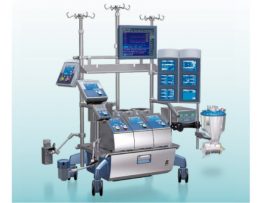
Abstract Objectives: We previously reported that postoperative hemodynamics and developmental outcomes were better among infants randomized to a higher hematocrit value during hypothermic cardiopulmonary bypass. However, worse outcomes were concentrated in..
Read More
Abstract In vitro testing of hemolysis is essential for the validation and development of ventricular assist devices. However, as many factors influence hemolysis, such tests’ inter- and intralaboratory reproducibility is poor...
Read More
Summary Current knowledge regarding mechanisms underlying cardiovascular complications in patients with COVID-19 is limited and urgently needed. We shed light on a previously unrecognized mechanism and unravel a key role..
Read More
Abstract Purpose With newer generation diagonal and centrifugal blood pumps gaining popularity, the objective of this study was to compare the DP3-i-cor diagonal and RotaFlow centrifugal pumps in terms of..
Read More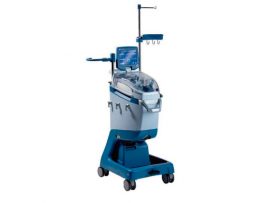
Abstract Objective: The objective of this work was to carry out a meta-analysis of RCTs comparing intraoperative RBC transfusion strategies to determine their impact on postoperative morbidity, mortality, and blood product use...
Read More
Abstract Coronavirus disease 2019 (COVID-19) has increased the demand for extracorporeal membrane oxygenation (ECMO) and introduced distinct challenges to patient selection for ECMO. Standardized processes for patient selection amidst resource..
Read More
Abstract Background We reviewed our experience with 505 patients with confirmed coronavirus disease-2019 (COVID-19) supported with extracorporeal membrane oxygenation (ECMO) at 45 hospitals and estimated risk factors for mortality. Methods..
Read More
Abstract Introduction Detection of neurological complications during extracorporeal membrane oxygenation (ECMO) may be enhanced with non-invasive neuro-monitoring. We investigated the feasibility of non-invasive neuro-monitoring in a paediatric intensive care (PIC)..
Read More