


Abstract Currently 30-day mortality is commonly used as a quality indicator for cardiac surgery; however, prediction models have not included the role of cardiopulmonary bypass (CPB). We hypothesized that reproducing..
Read More
Abstract Heparin anticoagulation increases the bleeding risk during extracorporeal life support (ECLS). This study determined whether factor XII (FXII) silencing using short interfering RNA (siRNA) can provide ECLS circuit anticoagulation without bleeding. Adult..
Read More
Abstract Ex vivo lung perfusion (EVLP), a technique in which isolated lungs are continually ventilated and perfused at normothermic temperature, is emerging as a promising platform to optimize donor lung..
Read More
Abstract BACKGROUND Extracorporeal cardiopulmonary resuscitation (CPR) restores perfusion and oxygenation in a patient who does not have spontaneous circulation. The evidence with regard to the effect of extracorporeal CPR on..
Read More
Abstract Introduction Utilization of veno-arterial extracorporeal membrane oxygenation (VA-ECMO) has increased significantly over the last decade. Prior studies have reported worse mortality for patients with vascular complications on VA-ECMO; however,..
Read More
Abstract Extracorporeal cardiopulmonary resuscitation (E-CPR) is the establishment of veno-arterial extracorporeal membrane oxygenation (ECMO) during ongoing cardiopulmonary resuscitation (CPR). E-CPR is the last rescue therapy when, despite high-quality conventional CPR,..
Read More
Abstract To quote medical mycologist Shawn Lockhart, PhD, Candida auris “is a very clever bug.” This hardy yeast species can remain viable for at least 2 weeks on plastic surfaces and for months..
Read More
Abstract OBJECTIVES: We sought to update our 2015 work in the Second Pediatric Acute Lung Injury Consensus Conference (PALICC-2) guidelines for the diagnosis and management of pediatric acute respiratory distress..
Read More
Abstract OBJECTIVES: To systematically review and assimilate literature on children receiving extracorporeal membrane oxygenation (ECMO) support in pediatric acute respiratory distress syndrome (PARDS) with the goal of developing an update to the..
Read More
Abstract Background Seizures, strokes, and intracranial hemorrhage are common and feared complications in children receiving extracorporeal membrane oxygenation (ECMO) support. Researchers and clinicians have proposed and deployed methods for monitoring..
Read More
Abstract Background Cardiac surgery is performed worldwide. Most types of cardiac surgery are performed using cardiopulmonary bypass (CPB). Cardiac surgery performed with CPB is associated with morbidities. CPB needs an..
Read More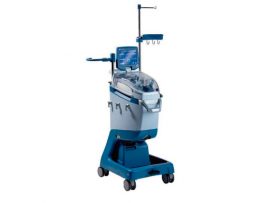
Abstract OBJECTIVE To compare erythrocyte recovery by a cell salvage device between swab-washing by manual agitation or filtration. SAMPLE 12 recently expired units of canine packed RBCs. PROCEDURE The packed..
Read More
Abstract Our study assessed the relationship between the duration of venovenous extracorporeal membrane oxygenation (V-V ECMO) and patient outcomes. We studied patients undergoing V-V ECMO support for acute respiratory distress..
Read More
Abstract Background Reliable biomarkers for organ quality assessment during normothermic machine perfusion (NMP) are desired. ATP (adenosine triphosphate) production by oxidative phosphorylation plays a crucial role in the bioenergetic homeostasis..
Read More
Abstract OBJECTIVES: Despite increasing use and promising outcomes, venovenous extracorporeal membrane oxygenation (V-V ECMO) introduces the risk of a number of complications across the spectrum of ECMO care. This narrative review describes..
Read More
Abstract Purpose of review Delirium is a marker of acute brain insufficiency and a harbinger of poor outcomes and increased healthcare costs. Despite success preventing delirium by nonpharmacologic measures, the..
Read More
Abstract Background Soluble tumor necrosis factor receptor (sTNFR)1, sTNFR2, and plasma kidney injury molecule-1 (KIM-1) are associated with kidney events in patients with and without diabetes. However, their associations with..
Read More
Abstract Background Fluid overload associates with poor outcomes after neonatal cardiac surgery, but consensus does not exist for the most clinically relevant method of measuring fluid balance (FB). While weight..
Read More
Abstract Background: Protamine administration post-cardiopulmonary bypass (CPB) can potentially cause hemodynamic instability. Histamine released from mast cells is believed to be responsible for hypotension after protamine administration. The aim of this..
Read More
Abstract Purpose of review Development of advanced and minimally invasive surgical procedures is providing treatment opportunities to older and higher risk patients. This has also led to highly specialized physicians..
Read More
Abstract Purpose Blood transfusion is a common and life-saving procedure in congenital heart surgery (CHS), and it is critical for patients to identify risk factors prior to surgery. Our objective..
Read More
Abstract Purpose of review Cardiovascular disease is a leading cause of death for women worldwide and continues to be a major determinant of significant morbidity. Several studies have investigated the..
Read More
Abstract Accurately selecting patients who are likely to benefit from venovenous extracorporeal membrane oxygenation (VV-ECMO) for severe respiratory failure is crucial given its low availability, substantial invasiveness, associated complications, and..
Read More
Abstract Heart transplant is now the treatment of choice for patients with advanced heart failure who are refractory to medical treatment. With a small number of candidates who meet the..
Read More
Abstract Ventricular arrhythmias following neurological injury have been attributed to sympathetic surge in subarachnoid hemorrhage and traumatic brain injury. Despite associated risks of bleeding and thrombosis, veno-arterial extracorporeal membrane oxygenation..
Read More
Abstract OBJECTIVES We analyzed the temperature in proximal aortic repair with moderate hypothermic circulatory arrest (HCA) and evaluated the effect of the cooling status on postoperative outcomes. METHODS A..
Read More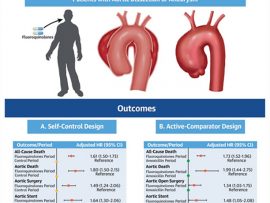
Abstract Type A aortic dissection is rare in young females; however, it is associated with a high mortality rate. This case report describes a 30-year-old female at 38 weeks of..
Read More
ECMO During COVID-19: A Society of Thoracic Surgeons/Extracorporeal Life Support Organization Survey
Abstract Background The Society of Thoracic Surgeons Workforce on Critical Care and the Extracorporeal Life Support Organization sought to identify how the coronavirus disease 2019 (COVID-19) pandemic has changed the..
Read More
Abstract Background: The chronic blood shortage has forced clinicians to seek alternatives to allogeneic blood transfusions during surgery. Due to anatomic uniqueness resulting in a vast vasculature, liver surgery can..
Read More
Abstract Introduction Comprehensive data capture systems such as the Operating Room Black Box (OR Black Box) are becoming more widely implemented to access quality data in the complex environment of the..
Read More