
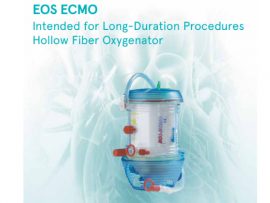

Abstract A growing body of evidence supports the use of extracorporeal membrane oxygenation (ECMO) for severe acute respiratory distress syndrome (ARDS) refractory to maximal medical therapy. ARDS may develop in..
Read More
Abstract Extracorporeal membrane oxygenation (ECMO) was first started for humans in early 1970s by Robert Bartlett. Since its inception, there have been numerous challenges with extracorporeal circulation, such as coagulation..
Read More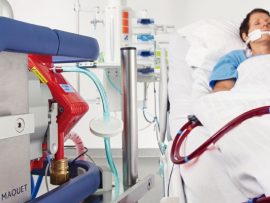
Abstract Venovenous (VV) extracorporeal membrane oxygenation (ECMO) is a form of mechanical life support that provides full respiratory bypass in patients with severe respiratory failure as a bridge to recovery..
Read More
Abstract Coronary artery bypass grafting (CABG) is associated with higher survival rate than percutaneous coronary intervention (PCI) among patients presenting with multivessel coronary artery disease, according to new findings to..
Read More
Abstract Surgical science has driven innovation and inquiry across adult and pediatric disciplines that provide critical care regardless of location. Surgically originated but broadly applicable knowledge has been globally shared..
Read More
Abstract Objectives We sought to develop a rigorous, systematic protocol for the dissection and preservation of human hearts for biobanking that expands previous success in postmortem transcriptomics to multiomics from..
Read More
Abstract Background: To assess whether intraoperative monitoring and intervention of regional cerebral oxygen saturation levels can reduce the incidence of postoperative cognitive dysfunction in patients undergoing cardiovascular surgery and contribute..
Read More
Abstract Background This study seeks to assess the outcomes of direct (AX) for . Methods From October 2009 to November 2021 direct AX was planned in 515 patients for thoracic aortic pathology. An important..
Read More
Abstract We read with interest the article by Mang et al. Indeed, oxygenator thrombosis remains a common reason for circuit exchange, the risk of which increases with the duration of extracorporeal membrane..
Read More
Abstract Liver Transplantation (LT) has become the gold standard treatment for End-Stage Liver Disease (ESLD). One of the main strategies to manage life-threatening complications, such as cardio-respiratory failure, is Extracorporeal..
Read More
Abstract Objective: Assessment of the results of the ProtekDuo cannula applied for dedicated right ventricular support with oxygenator in ARDS secondary to COVID-19. Methods: Systematic literature search in NHS library,..
Read More
Abstract Background: Sharps and needlestick injuries pose a serious risk to operating theatre personnel with considerable morbidity, mortality and healthcare implications. The cost of prophylaxis and post-exposure treatment is a..
Read More
Abstract Objective: Extracorporeal life support (ECLS) for circulatory and/or respiratory failure is improving. Currently, invasive sternotomies or rib-spreading thoracotomies are used for central cannulation of the heart and great vessels...
Read More
Abstract Background The utility of the intraoperative technical performance score (IO-TPS) in predicting outcomes after congenital cardiac surgery remains unknown. Methods Data from patients undergoing surgery for from January 2011 to..
Read More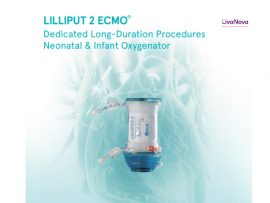
Abstract Background Pediatric patients on extracorporeal membrane oxygenation (ECMO) often receive repeated red blood cell (RBC) transfusions. This study aims to quantify and characterize causes of RBC loss on ECMO...
Read More
Abstract Due to the high treatment costs associated with durable ventricular assist devices, an intra-ventricular balloon pump (IVBP) was developed to provide low-cost, short-term support for patients suffering from severe..
Read More
Abstract Background Anti-human leukocyte antigen (HLA)-antibody production represents a major barrier to heart transplantation, limiting recipient compatibility with potential donors and increasing the risk of complications with poor waiting-list outcomes...
Read More
Abstract Background Cerebral circulatory arrest times >40 minutes during have previously been shown to be associated with increased morbidity and mortality. The purpose of this study was to redefine what would..
Read More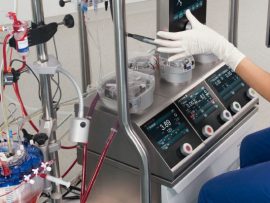
Abstract Cardiopulmonary bypass (CPB) is a complex biomechanical engineering undertaking and an essential component of cardiac surgery. However, similar to all complex bioengineering systems, CPB activities are prone to a..
Read More
Abstract Since the initiation of Extracorporeal Life Support Organization (ELSO) Registry in 1989, more than 47,000 neonates treated with extracorporeal membrane oxygenation (ECMO) have been registered worldwide with an overall..
Read More
Abstract Background Anesthetic gases have been known to cause damage when inhaled over long periods of time. Modern safety measures have been put in place to reduce the risk to..
Read More
Abstract Introduction: Oxygenator exchange during extracorporeal membrane oxygenation (ECMO) is a life-threatening procedure. D-dimer has been used to predict oxygenator failure, but it is a parameter used a few days..
Read More
Abstract Acute kidney injury (AKI) is one of the most common major complications of cardiac surgery, and is associated with increased morbidity and mortality. Cardiac surgery-associated AKI has a complex,..
Read More
Abstract Introduction: We aimed to investigate parameters for prediction of post-operative blood loss and re-operation in patients who underwent cardiopulmonary bypass. Methods: Thrombin generation assay, activated partial thromboplastin time, activated clotting time..
Read More
Abstract Introduction: To determine the oxygenator impact on alterations of meropenem (MEM)/vaborbactam (VBR) in a contemporary neonatal/pediatric (1/4-inch) and adolescent/adult (3/8-inch) extra corporeal membrane oxygenation (ECMO) circuit including the Quadrox-i® oxygenator...
Read More
Abstract Extracorporeal membrane oxygenation (ECMO) is one of the most important supporting therapies for patients with severe cardiopulmonary failure, and the core component of ECMO is the membrane oxygenator. However,..
Read More
Abstract Patients receiving extracorporeal membrane oxygenation (ECMO) inherit substantial disease-associated metabolic, endocrinologic, and immunologic modifications. Along with the technical components of ECMO, the aforementioned alterations may affect patients' needs and..
Read More
Abstract Background Either deep hypothermia with circulatory arrest or hypothermic perfusion with antegrade selective cerebral perfusion is used during the Norwood procedure for hypoplastic left heart syndrome. Normothermic perfusion has..
Read More
Abstract Background Mechanical ventilation is a technique for supporting or substituting respiration. Fibrin deposition in the pulmonary microcirculation and alveolar sacs (hyaline membrane generation) is a major inflammatory route of..
Read More
Abstract Introduction Cardiac surgery associated acute kidney injury (CSA-AKI) has a number of preoperative and intraoperative risk factors. Cardiopulmonary bypass (CPB) factors have not yet been elucidated in a single..
Read More