


Abstract Impaired cerebral autoregulation (CA) can cause negative outcomes in neurological conditions. Real-time CA monitoring can predict and thereby help prevent postoperative complications for neurosurgery patients, especially those suffering from..
Read More
Abstract The ability to provide antegrade cerebral and systemic perfusion simultaneously may negate the requirement for any prolonged period of circulatory arrest during complex aortic arch reconstruction procedures, depending on..
Read More
Abstract Background Intraoperative hypofibrinogenemia is a major factor associated with increased postoperative blood loss in adult cardiac surgery. However, previous pediatric studies on this topic did not sufficiently adjust for..
Read More
Abstract Background Postoperative acute kidney injury (AKI) in cardiac surgery patients is multifactorial and associated with low oxygen delivery (DO2) during cardiopulmonary bypass. Methods Cardiac surgical patients undergoing full cardiopulmonary..
Read More
Abstract Background: Cell-derived microparticles (MPs) as membrane vesicles are procoagulant. They play a role in surgical hemostasis. In this study, the correlations between the circulating level of cell-derived MPs and..
Read More
Abstract ABO blood group has been shown to be a major determinant of plasma von Willebrand factor (vWF) levels. O blood group is associated with the lowest vWF levels and..
Read More
Abstract Aim: In current practice, fast-track protocols are gaining importance in patients undergoing cardiac surgery. For this purpose, besides different application techniques, biomarkers are frequently examined in the peri-operative period...
Read More
Abstract Introduction Due to a national policy change in the management of unused platelet units from September 2018, there was a drastic increase in the number of platelet units wasted..
Read More
Abstract Background Bleeding and thrombosis induce major morbidity and mortality in patients under extracorporeal membrane oxygenator (ECMO). Circuit changes can be performed for oxygenation membrane thrombosis but are not recommended..
Read More
Abstract Background Selective antegrade cerebral perfusion (SACP) is adopted as an alternative to deep hypothermic circulatory arrest (DHCA) during aortic arch surgery. However, there is still no preclinical evidence to..
Read More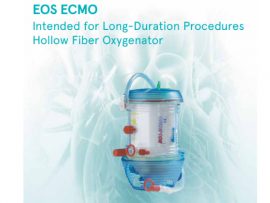
Abstract Purpose Descriptive information on referral patterns and short-term outcomes of patients with respiratory failure declined for extracorporeal membrane oxygenation (ECMO) is lacking. Methods We conducted a prospective single-centre observational..
Read More
Abstract Background A surgical “Never Event” is a preventable error occurring immediately before, during or immediately following surgery. Various factors contribute to the occurrence of major Never Events, but little..
Read More
Abstract Purpose To identify requirements for implementing a ‘just culture’ within healthcare organisations. Methods Using Whittemore and Knafl’s methodology for integrative reviews, we searched PubMed, PsychInfo, Cumulative Index of Nursing and Allied..
Read More
Abstract Cold agglutinin disease is a type of autoimmune haemolytic anaemia caused by autoantibodies that bind to red blood cell antigens at a cold temperature and causes extravascular haemolysis and..
Read More
Abstract BACKGROUND: Heparin resistance (HR) is a common finding in pediatric cardiac surgery and generally refers to decreased sensitivity to heparin. Antithrombin (AT) deficiency is considered the primary mechanism of..
Read More
Abstract Background Thrombocytopenia, hemorrhage and platelet transfusion are common in patients supportedwith venoarterial extracorporeal membrane oxygenation (VA ECMO). However, current literature is limited to smallsingle‑center experiences with high degrees of..
Read More
Abstract Adults and children who require extracorporeal membrane oxygenation for respiratory failure remain at risk for ongoing lung injury if ventilator management is not optimized. This review serves as a..
Read More
Abstract Objective Our aim was to analyse whether prophylactic preoperative intraaortic balloon pump (IABP) improves outcomes in hemodynamically stable patients with low (LVEF ≤30%) undergoing elective (CABG) using (CPB). Secondary aim was to..
Read More
Abstract Introduction The membrane oxygenator in extracorporeal circulation circuits is coated with acrylate-copolymer (ACP) or immobilized heparin (IHP) to enhance hemocompatibility. To evaluate the relative features of both coatings, we..
Read More
Abstract What are AI, Machine Learning, and Artificial Neural Networks? Medical publishing in AI has increased exponentially over the last few years.7 Artificial intelligence is a broad term that represents the..
Read More
Abstract Artificial intelligence has the potential to improve the care that is given to patients; however, the predictive models created are only as good as the base data used in..
Read More
Abstract Aim of the Review: Improving rates of organ donation among patients with out-of-hospital cardiac arrest who do not survive is an opportunity to save countless lives. The objectives of..
Read More
Abstract LAVA-ECMO has recently gained attention in the medical community, specifically, as support for cardiogenic-shock patients. In particular, interest has picked up since it was highlighted at the 2023 Houston..
Read More
Abstract There is growing evidence that severe tricuspid regurgitation (TR) impacts clinical outcomes in a variety of cardiovascular disease states. The late presentation of patients with advanced TR highlights the..
Read More
Abstract Introduction Cardiac output (CO) is a key determinant of oxygen delivery. Low cardiac output syndrome (LCOS) causes organ dysfunction, prolonged hospital stay, and reduces survival in perioperative settings and..
Read More
Abstract Treatment of circulatory shock in critically ill patients requires management of blood pressure using invasive monitoring, but uncertainty remains as to optimal individual blood pressure targets. Critical closing pressure,..
Read More
Abstract We aimed to determine the association between cerebral regional oxygen saturation (rSO2) trends from cerebral near-infrared spectroscopy (cNIRS) and acute brain injury (ABI) in adult venoarterial extracorporeal membrane oxygenation (VA-ECMO) patients. ABI was defined as..
Read More
Abstract The times are changing for the Ross procedure as it settles itself as the best alternative for valve replacement not only in young adults, but also, as the study..
Read More
Abstract BACKGROUND Despite advances in defibrillation technology, shock-refractory ventricular fibrillation remains common during out-of-hospital cardiac arrest. Double sequential external defibrillation (DSED; rapid sequential shocks from two defibrillators) and vector-change (VC)..
Read More
Abstract The Aeson total artificial heart provides right- and left-sided heart replacement for biventricular failure with notable improvements from prior generations. These include enhanced hemocompatibility and autoregulation enabling increased output in..
Read More