


Abstract Introduction Postoperative complications pose significant challenges in cardiac surgery and with the evolution of selenium as a potential anti-inflammatory agent, some studies reported its inefficiency. Thus, we conducted our..
Read More
Abstract Background: Humanitarian medical missions attempt to lessen the burden of limited access to cardiac surgery in low- and middle-income countries. While organizations express difficulties obtaining follow-up information, there is currently..
Read More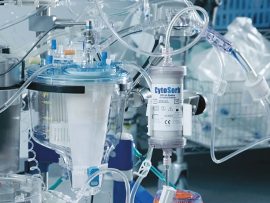
Abstract Background Extracorporeal blood purification has been widely used in intensive care medicine, nephrology, toxicology, and other fields. During the last decade, with the emergence of new adsorptive blood purification..
Read More
Abstract Venovenous extracorporeal membrane oxygenation (VV ECMO) facilitates the reduction of mechanical ventilation (MV) support in acute respiratory failure. Contrary to increasing evidence regarding its initiation, the optimal timing of..
Read More
Abstract Venopulmonary (VP) extracorporeal membrane oxygenation (ECMO) is a mode capable of supporting both pulmonary and right ventricular (RV) functions. Weaning patients from VP ECMO requires careful assessment of both..
Read More
Abstract Background St. Thomas cardioplegia is commonly administered to adults, yet repeated dosing at brief intervals is required. Del Nido’s cardioplegic solution provides a prolonged duration of safe myocardial arrest,..
Read More
Abstract IMPORTANCE Postoperative delirium is a common and impactful neuropsychiatric complication in patients undergoing coronary artery bypass grafting surgery. Cognitive training may enhance cognitive reserve, thereby reducing postoperative delirium. OBJECTIVE To determine..
Read More
Abstract Background The relationship between venous congestion in cardiopulmonary bypass (CPB) and acute kidney injury (AKI) in cardiac surgery has not utterly substantiated. This study aimed at investigate the relationship..
Read More
Abstract Background Increasing regulations and requirements of advisory bodies, in particular the Joint Federal Committee and the Medical Service of the health insurance funds, make it necessary to employ only..
Read More
Abstract Bicuspid aortic valve (BAV) is the most frequent congenital heart disease, with an incidence of approximately 1%. It can be silent and associated with normal valve function. However, a..
Read More
Abstract Healthcare today is the prerogative of teams rather than of individuals. In acute care domains such as anaesthesia, intensive care, and emergency medicine, the work is complex and fast-paced,..
Read More
Abstract In unfractionated heparin (UFH) monitoring during extracorporeal circulation, the traditional measures of activated clotting time (ACT) or activated partial thromboplastin time (APTT) may diverge, confounding anticoagulant adjustments. We aimed..
Read More
Abstract Use of extracorporeal membrane oxygenation (ECMO) for cardiorespiratory failure remains complicated by blood clot formation (thrombosis), triggered by biomaterial surfaces and flow conditions. Thrombosis may result in ECMO circuit..
Read More
Abstract This review highlights advancements in extracorporeal life support (ECLS), emphasizing the critical role of standardized terminology, particularly for extracorporeal membrane oxygenation (ECMO) in treating right ventricular and respiratory failure...
Read More
Abstract Background: Hemolysis is a frequent complication in patients with sepsis, ARDS, or extracorporeal membrane oxygenation (ECMO). Haptoglobin (Hp) can scavenge released cell-free hemoglobin (CFH). Hemolysis and low plasma concentrations of..
Read More
Abstract This case report explores the successful use of the Impella 5.5 (Abiomed Inc., Danvers, MA) device in a 22 kg, 0.89 body surface area (BSA) pediatric patient with longstanding dilated..
Read More
Abstract Purpose of review This article offers an overview of recent randomized controlled trials (RCTs) testing the efficacy of veno-arterial extracorporeal membrane oxygenation (VA ECMO) and microaxial flow pump (mAFP)..
Read More
Abstract Bleeding and thrombotic complications are major drivers in extracorporeal life support (ECLS) patients’ negative outcomes and are reported in up to 40% of the ECLS-runs [1, 2]. Consumptive coagulopathy..
Read More
Beyond Venoarterial and Venovenous Extracorporeal Membrane Oxygenation: Novel Cannulation Strategies
Introduction Extracorporeal membrane oxygenation (ECMO) is a means of supporting the heart, lungs, or both when more conventional therapy fails to achieve appropriate physiologic endpoints. The majority of ECMO..
Read More
Abstract The development of new right ventricular (RV) dysfunction after cannulation to venovenous (VV) extracorporeal membrane oxygenation (ECMO) and its association with worse outcomes is increasingly recognized in adult patients,..
Read More
Abstract Introduction Mortality rates in cardiogenic shock remain high, especially in patients with SCAI shock stages C to E [1].When hemodynamic status does not improve or worsens despite optimal fluid,..
Read More
Abstract Aims To evaluate the feasibility of a transthoracic echocardiogram using an apical‑subcostal protocol in invasive mechanical ventilation (IMV) and prone position. Methods Prospective study of adults who required a..
Read More
Kelli Shaw, 34, believes in happy endings. On June 9, 2024, the Bedford, New Hampshire mother of three celebrated her 10-year wedding anniversary with a vow renewal ceremony. It is..
Read More
Abstract Venovenous bypass (VVB) is a technique used in liver transplantation (LT) to maintain hemodynamic stability and abdominal organ perfusion and thereby improve patient outcomes. Despite its perceived benefits, VVB..
Read More
Abstract Background The site of arterial cannulation is an important consideration in the prevention of cerebral infarction after total arch replacement. We compared the outcomes of cannulation of the bilateral..
Read More
Abstract Purpose of review The worldwide leading cause of maternal death is severe maternal hemorrhage. Maternal hemorrhage can be profound leading to an entire loss of blood volume. In the..
Read More
Abstract In rural settings worldwide, many people live in effective blood deserts without access to any blood transfusion. The traditional system of blood banking is logistically complex and expensive for..
Read More
Abstract It is believed that a lower temperature setting of hypothermic circulatory arrest (HCA) in thoracic aortic surgery causes coagulopathy, resulting in excessive bleeding. However, experimental studies that eliminate clinical..
Read More
Abstract Objective: We aimed to evaluate the effects of cardiopulmonary bypass (CPB) machines used in coronary artery bypass grafting surgeries on cerebral perfusion by performing cerebral oximetry monitoring [near-infrared..
Read More
Abstract Since the risk factors for heparin resistance (HR) before cardiopulmonary bypass (CPB) have not been fully clarified, this study investigated the contributing factors for HR after the initial unfractionated..
Read More