


Abstract Antiphospholipid syndrome is an antiphospholipid antibody-mediated prothrombotic state leading to arterial and venous thrombosis. This condition alters routine in-vitro coagulation tests, making results unreliable. Antiphospholipid syndrome patients requiring cardiac..
Read More
Abstract Background The effect of nitric oxide (NO) on renal function is controversial in critical illness. We performed a systematic meta-analysis and trial sequential analysis to determine the effect of..
Read More
Abstract Aim: The ECMO (extracorporeal membrane oxygenation) Program at the American University of Beirut Medical Center was established in November 2015 as the first program serving adult and pediatric population..
Read More
Abstract Introduction Genetic polymorphisms are important in explaining the wide interpatient variability that exists in the development of acute kidney injury (AKI) post cardiac surgery. We hypothesised that polymorphisms in..
Read More
Abstract Objective To determine whether a continuous of standard amino acids could preserve kidney function after on-pump cardiac surgery. Methods Adult patients scheduled to receive cardiac surgery lasting longer than 1 hour..
Read More
Abstract Background There is an increasing number of young adults living with (CHD). The goal of this study was to ascertain the frequency of (AKI) as well as the risk factors and..
Read More
Abstract Purpose To examine the effect of discontinuing hydroxyethyl starch (HES) solutions on length of hospital stay, transfusion, risk of death, acute kidney injury (AKI), and dialysis. Methods We conducted..
Read More
Abstract Complications and critical events during cardiopulmonary bypass (CPB) are very challenging, difficult to manage, and in some instances have the potential to lead to fatal outcomes. Massive cerebral air..
Read More
Abstract Background: Early fluid expansion could prevent postoperative organ hypoperfusion. However, excessive fluid resuscitation adversely influences multiple organ systems. This retrospective, observational study aimed to investigate the relationship between early..
Read More
Abstract Background Post‐operative acute kidney injury after cardiopulmonary bypass (AKI‐CPB) for cardiac surgery is a frequent complication. It may require renal replacement therapy (RRT), which is associated with an increased..
Read More
Abstract Children who undergo cardiac surgery with cardiopulmonary bypass are a unique population at high risk for postoperative acute kidney injury (AKI) and fluid overload. Fluid management is important in..
Read More
Abstract Objective: The aims of this study were to identify the risk factors associated with acute kidney injury (AKI) after isolated surgical revascularization with cardiopulmonary bypass and to develop a..
Read More
Abstract Background Cardiac surgery-associated acute kidney injury (AKI) is a serious complication of cardiac surgery, even when renal replacement therapy (RRT) is not required. The existing risk models for cardiac..
Read More
Abstract Background Early detection of acute kidney injury (AKI) after cardiac surgery has improved recently with the discovery and validation of novel urinary biomarkers. However, objective tools to predict the..
Read More
Abstract Acute kidney injury (AKI) is a common and serious complication of cardiac surgical procedures that require prolonged (>90 min) cardiopulmonary bypass (CPB) (, ). Although the presence of AKI after..
Read More
Abstract Introduction/Aim: The patient’s condition and high-risk nature of extracorporeal membrane oxygenation (ECMO) therapy force clinical services to ensure clinicians are properly trained and always ready to deal effectively with..
Read More
Retrograde Autologous Priming in Cardiac Surgery: Results From a Systematic Review and Meta-analysis
Abstract Background: Retrograde autologous priming (RAP) before cardiopulmonary bypass (CPB) may minimize allogeneic red cell transfusion. We conducted a systematic review of the literature to examine the impact of RAP..
Read More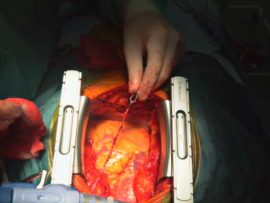
Abstract AIM This study is based on the hypothesis that the routine use of transesophageal echocardiography in cardiac surgery will influence the surgical decision taken by the surgeon intra-operatively in..
Read More
Abstract Background and objective Acute kidney injury (AKI) following cardiac surgery with cardiopulmonary bypass (CPB) is polyethiological clinical syndrome. During CPB haemodilution develops, which is useful in reducing the risk..
Read More
Effect of high- versus low-volume saline administration on acute kidney injury after cardiac surgery
Abstract Background: Fluid resuscitation is critical to perioperative maintenance of adequate preload and cardiac output after cardiac surgery. Liberal use of saline, however, is reportedly associated with an increased risk of..
Read More
Abstract Background The objective of this study was to assess the incidence of in‐hospital acute kidney injury (AKI) after cardiac surgery by comparing preoperative baseline renal function with renal function..
Read More
Abstract Background Fish oil is among the most common natural supplements for treatment of hypertriglyceridemia or prevention of cardiovascular disease. However, concerns about theoretical bleeding risk have led to recommendations..
Read More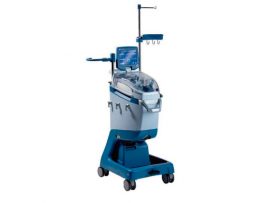
Abstract The use of cell salvage is recommended when it can be expected to reduce the likelihood of allogeneic (donor) red cell transfusion and/or severe postoperative anaemia. We support and..
Read More
Abstract Background Acute kidney injury (AKI) after cardiovascular surgery is a serious complication. Little is known about the ability of novel biomarkers in combination with clinical risk scores for prediction..
Read More
Abstract Extracorporeal membrane oxygenation (ECMO) is considered a recognized lifesaving support for patients with cardiorespiratory failure. Acute kidney injury (AKI) and fluid overload are significant morbidity factors resulting in serious..
Read More
Abstract Background Acute kidney injury (AKI) is common after cardiac surgery and profoundly affects postoperative mortality and morbidity. There are no validated methods to assess risk of AKI intraoperatively. Methods..
Read More
Abstract In critically ill patients monitored with an arterial catheter, the arterial pressure signal provides two types of information that may help the clinician to interpret haemodynamic status better: the..
Read More
Abstract Summary Development and standardization of fibrinolysis methods have progressed more slowly than coagulation testing and routine high‐throughput screening tests for fibrinolysis are still lacking. In laboratory research, a variety..
Read More
ABSTRACT This study investigated the diagnostic value of urinary interleukin-18 (uIL-18) in acute kidney injury (AKI) after cardiopulmonary bypass (CPB) in clinical practice. A total of 103 patients who underwent..
Read More
Abstract Objective Hemolysis, characterized by formation of free hemoglobin (Hb), occurs in patients undergoing cardiopulmonary bypass (CPB). However, there is no study of the dynamic changes in red blood cell..
Read More