


Abstract Artificial intelligence (AI) is poised to broadly reshape medicine, potentially improving the experiences of both clinicians and patients. We discuss key findings from a 2-year weekly effort to track..
Read More
Abstract Introduction Acute kidney injury (AKI) is a common complication in patients undergoing coronary artery bypass graft (CABG) surgery and is associated with significant morbidity and mortality. We investigated the..
Read More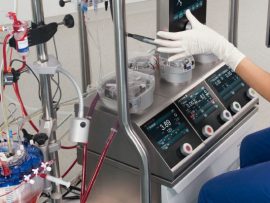
Blood Protection Method: Retrograde Autologous Prime In order to carry out open heart surgery, the functions of the heart and lungs must be stopped and the blood inside the..
Read More
Abstract Patients with acute respiratory distress syndrome and acute kidney injury (AKI) treated by kidney replacement therapy may also require treatment with extracorporeal carbon dioxide removal (ECCO2R) devices to permit..
Read More
Abstract Retrograde autologous priming (RAP) is a process used to reduce hemodilution associated with the initiation of cardiopulmonary bypass (CPB). Previous studies have reported potential benefits to RAP; however, many..
Read More
Abstract Objectives: Children receiving prolonged extracorporeal membrane oxygenation (ECMO) support may benefit from tracheostomy during ECMO by facilitating rehabilitation; however, the procedure carries risks, especially hemorrhagic complications. Knowledge of tracheostomy practices and outcomes of..
Read More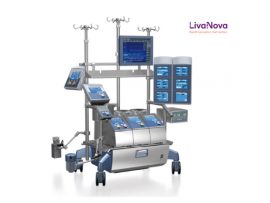
Abstract Heart disease is among the most important health problems in our country and in the world. Heart diseases are widely repaired in adults, children and newborns with open heart..
Read More
Abstract From its foundational years, transfusion medicine (TM) has been associated with errors and their reporting. Patient safety and quality were brought to the forefront of health care through the..
Read MoreAbstract Vacuum-assisted venous drainage (VAVD) was proposed to optimize venous drainage during bypass through femoral venous cannulation. It is currently used in both adult and pediatric surgery when siphon gravity..
Read More
Abstract Open access (OA) publishing is increasing, allowing articles to be read by anyone, anywhere. The publishing costs for these articles (article processing charges, APCs) are typically paid by the..
Read More
Abstract Background To investigate the impact of the dynamic oxygenation status on the incidence of acute kidney injury (AKI) in patients undergoing cardiopulmonary bypass. Methods This retrospective study was performed..
Read More
Abstract Venoarterial extracorporeal membrane oxygenation may be used for circulatory support in cardiogenic shock as a bridge to recovery, a bridge to a ventricular assist device (VAD), or a bridge..
Read More
Abstract Background Within the past ten years, continuous-flow Left Ventricular Assist Devices (LVADS) have replaced pulsatile-flow LVADs as the standard of care for both destination therapy and bridging patients to..
Read More
Abstract Background Gelatin has been used as a plasma volume expander because of its ability to preserve intravascular volume more effectively than crystalloids. However, gelatin may have detrimental effects on..
Read More
Abstract Background Acute kidney injury (AKI) frequently complicates cardiac surgery and is more common among Black patients. We evaluated determinants of race-based differences in AKI rates. Methods Serum creatinine-based criteria..
Read More
Abstract Background Cardiopulmonary bypass is known to raise the risk of acute kidney injury (AKI). Previous studies have identified numerous risk factors of cardiopulmonary bypass including the possible impact of..
Read More
Abstract Background To investigate the impact of the dynamic oxygenation status on the incidence of acute kidney injury (AKI) in patients undergoing cardiopulmonary bypass. Methods This retrospective study was performed..
Read More
Abstract Use of extracorporeal membrane oxygenation (ECMO) in children receiving haematopoietic cell transplantation (HCT) and immune effector cell therapy is controversial and evidence-based guidelines have not been established. Remarkable advancements..
Read More
Abstract Background (AKI) is common after cardiac surgery and is difficult to predict. N-terminal pro-B-type natriuretic peptide (NT-proBNP) is highly predictive for perioperative cardiovascular complications and may also predict renal..
Read More
Abstract Surgical research has shifted from the laboratory focus of the mid to late 20th century to a more mixed economy of data science, collaborative and qualitative research, with a..
Read More
Abstract The objective of clinical research is to establish ethically and methodologically sound evidence that can aid clinical decision-making, inform ongoing research and add to the existing body of knowledge...
Read More
Abstract Background: Acute kidney injury (AKI) is associated with high morbidity and mortality; therefore, prevention is important. The aim of this study was to systematically assess AKI incidence after cardiac surgery..
Read More
Abstract Introduction (ICU)-acquired weakness is developed by 40%–46% of patients admitted to ICU. Different studies have shown that Early Mobilisation (EM) is safe, feasible, cost-effective and improves patient outcomes in..
Read More
Abstract Postcardiotomy shock (PCS) is an uncommon and life-threatening . (ECMO) is the first line of mechanical for treating PCS when medical therapies are insufficient. Reaching a “therapeutic ceiling” or a “bridge to..
Read More
Abstract Many patients develop acute kidney injury (AKI) after vascular surgery. In this retrospective observational study, we investigated the risk factors for AKI defined using the Kidney Disease Improving Global..
Read More
Abstract Objectives This study was performed to internally derive and then validate risk score systems using preoperative and intraoperative variables to predict the occurrence of any-stage (stage 1, 2, 3)..
Read More
Abstract Background To provide multivariable prognostic models for severe complications prediction after heart valve surgery, including low cardiac output syndrome (LCOS), acute kidney injury requiring hemodialysis (AKI-rH) and multiple organ..
Read More
Abstract Background: Cardiopulmonary bypass (CPB) may lead to tissue hypoxia, inflammatory response, and risk for acute kidney injury (AKI). We evaluated the prevalence of AKI and inflammatory response in neonates undergoing..
Read More
Abstract Introduction Low mean arterial pressure (MAP) periods occur frequently during cardiopulmonary bypass (CPB), and their management remains controversial. Our aim was to correlate MAP during CPB with the occurrence..
Read More