


Introduction The startling revelation that one fifth of health expenditure makes little contribution to good health outcomes is surely a call to action to tackle waste in the delivery of care...
Read More
Abstract Veno-venous extracorporeal membrane oxygenation (V–V ECMO) has an established evidence base in acute respiratory distress syndrome (ARDS) and has seen exponential growth in its use over the past decades...
Read More
Abstract Introduction Critical incident reporting systems (CIRS) are in use worldwide. They are designed to improve patient care by detecting and analyzing critical and adverse patient events and by taking..
Read More
Abstract Objectives Medical care in low-income countries is often limited by inadequate resources, treatment facilities, and the necessary infrastructure for healthcare delivery. We hypothesized that the development of an independently..
Read More
Abstract Acute kidney injury (AKI) is a common and serious complication of cardiac surgery and is associated with increased mortality and morbidity, accompanied by a substantial economic burden. The pathogenesis..
Read More
Abstract Combined advances in haematopoietic cell transplantation (HCT) and intensive care management have improved the survival of patients with haematological malignancies admitted to the intensive care unit. In cases of..
Read More
Abstract Veno-venous extracorporeal membrane oxygenation (V–V ECMO) has an established evidence base in acute respiratory distress syndrome (ARDS) and has seen exponential growth in its use over the past decades...
Read More
Abstract High-volume extracorporeal membrane oxygenation (ECMO) centers generally have better outcomes than (new) low-volume ECMO centers, most likely achieved by a suitable exposure to ECMO cases. To achieve a higher..
Read More
Abstract High-volume extracorporeal membrane oxygenation (ECMO) centers generally have better outcomes than (new) low-volume ECMO centers, most likely achieved by a suitable exposure to ECMO cases. To achieve a higher..
Read More
Abstract Objective: Assessment of the results of the ProtekDuo cannula applied for dedicated right ventricular support with oxygenator in ARDS secondary to COVID-19. Methods: Systematic literature search in NHS library,..
Read More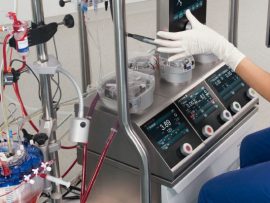
Abstract Cardiopulmonary bypass (CPB) is a complex biomechanical engineering undertaking and an essential component of cardiac surgery. However, similar to all complex bioengineering systems, CPB activities are prone to a..
Read More
Abstract Acute kidney injury (AKI) is one of the most common major complications of cardiac surgery, and is associated with increased morbidity and mortality. Cardiac surgery-associated AKI has a complex,..
Read More
Abstract Patients receiving extracorporeal membrane oxygenation (ECMO) inherit substantial disease-associated metabolic, endocrinologic, and immunologic modifications. Along with the technical components of ECMO, the aforementioned alterations may affect patients' needs and..
Read More
Abstract Background Mechanical ventilation is a technique for supporting or substituting respiration. Fibrin deposition in the pulmonary microcirculation and alveolar sacs (hyaline membrane generation) is a major inflammatory route of..
Read More
Abstract Introduction Cardiac surgery associated acute kidney injury (CSA-AKI) has a number of preoperative and intraoperative risk factors. Cardiopulmonary bypass (CPB) factors have not yet been elucidated in a single..
Read More
Abstract Our study assessed the relationship between the duration of venovenous extracorporeal membrane oxygenation (V-V ECMO) and patient outcomes. We studied patients undergoing V-V ECMO support for acute respiratory distress..
Read More
Abstract Background Soluble tumor necrosis factor receptor (sTNFR)1, sTNFR2, and plasma kidney injury molecule-1 (KIM-1) are associated with kidney events in patients with and without diabetes. However, their associations with..
Read More
Abstract Purpose of review Development of advanced and minimally invasive surgical procedures is providing treatment opportunities to older and higher risk patients. This has also led to highly specialized physicians..
Read More
Abstract Accurately selecting patients who are likely to benefit from venovenous extracorporeal membrane oxygenation (VV-ECMO) for severe respiratory failure is crucial given its low availability, substantial invasiveness, associated complications, and..
Read More
Abstract The concept of “prehabilitation” consists of screening for and identification of pre-existing disorders followed by medical optimization. This is performed for many types of surgery, but may have profound..
Read More
Abstract Background and Objectives: While root cause analysis (RCA) is used to analyze medical errors with a systems approach, evidence demonstrating its effectiveness in reducing patient harm remains sparse. The..
Read More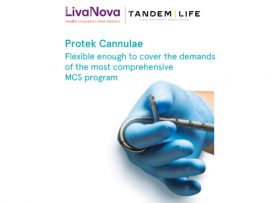
Abstract Objective: Assessment of the results of the ProtekDuo cannula applied for dedicated right ventricular support with oxygenator in ARDS secondary to COVID-19. Methods: Systematic literature search in NHS library,..
Read More
Abstract Patients receiving extracorporeal membrane oxygenation (ECMO) inherit substantial disease-associated metabolic, endocrinologic, and immunologic modifications. Along with the technical components of ECMO, the aforementioned alterations may affect patients’ needs and..
Read More
Abstract Nosocomial infections are a leading complication of prolonged extracorporeal membrane oxygenation (ECMO) therapy, and invasive fungal infections are of particular concern. Candida bloodstream infection specifically is associated with poor outcomes in acute..
Read More
Abstract Purpose: Veno‑arterial (VA) extracorporeal membrane oxygenation (ECMO) can be used to restore organ perfusionin patients with cardiogenic shock until native heart recovery occurs. It may be challenging, however, to..
Read More
Abstract The emergency department (ED) abounds with hazards that might lead to adverse events (AEs). Clinicians must make frequent, high-consequence decisions with high diagnostic uncertainty as part of ad hoc..
Read More
Abstract Earlier this month, Professor David Kaye of The Alfred in Melbourne, Australia, presented late breaking science at the American Heart Association (AHA) 2022 meeting in Chicago from an ongoing..
Read More
Abstract Objectives The objectives of this study were to evaluate the incidence and to identify risk factors for acute kidney injury (AKI) in neonates undergoing cardiopulmonary bypass (CPB) with a..
Read More
Abstract We have read the review article entitled “Controversies in ECMO: Immediate versus Watchful Waiting for VA-ECMO Venting” by Cavayas and colleagues, published in the Special Issue of Invited Presentations:..
Read More
Abstract We aimed to evaluate the role of higher mean arterial pressure (MAP) during cardiopulmonary bypass (CPB) in preventing development of acute kidney injury (AKI). Methods. We evaluated a population..
Read More