


Abstract Cardiac Surgery-Associated Acute Kidney Injury (CSA-AKI) is a serious complication seen in approximately 20–30% of cardiac surgery patients. The underlying pathophysiology is complex, often involving both patient- and procedure..
Read More
Abstract Cardiogenic shock is a complex and diverse pathological condition characterized by reduced myocardial contractility. The goal of treatment of cardiogenic shock is to improve abnormal hemodynamics and maintain adequate..
Read More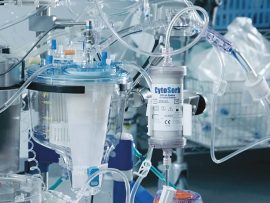
Abstract Introduction: Cardiopulmonary bypass (CPB) is a vital component of many cardiac surgeries, but it can trigger systemic inflammatory responses, leading to post-operative complications. The CytoSorb filter, a cytokine adsorber, has..
Read More
Abstract Patient blood management is a patient-centered evidence-based approach to improve patient outcomes by harnessing the patient's own hematopoietic system to optimize blood health while promoting patient safety and empowerment...
Read More
Abstract Acute kidney injury (AKI) is a common complication in cardiac surgery patients, with a reported incidence of 20 to 30%. The development of AKI is associated with worse short-..
Read More
Abstract Background The association between tissue oxygenation with postoperative acute kidney injury (AKI) in adult patients undergoing multiple valve surgery has not been specifically studied. Methods In this prospective exploratory..
Read More
Abstract Objective To evaluate and synthesise the factors determining patient safety culture in hospitals. Methods The scoping review protocol was based on the criteria of the Joanna Briggs Institute. Eligibility criteria were..
Read More
Abstract Background Cardiac surgery-associated acute kidney injury (CSA-AKI) is frequent. While two network meta-analyses assessed the impact of pharmacological interventions to prevent CSA-AKI, none focused on non-pharmacological interventions. We aim..
Read More
Abstract Background Training nursing students on quality and patient safety (PS) is crucial to ensuring safe healthcare practices given the key role nurses play on the healthcare team. The aim..
Read More
Abstract Purpose: Intensive care unit-acquired weakness (ICUAW) affects patient prognosis after cardiopulmonary bypass (CPB) surgery, but its risk factors remain unclear. We investigated these risk factors and developed a nomogram..
Read More
Abstract Vascular endothelial damage may activate hypercoagulation and contribute to the development of acute kidney injury (AKI). This study aimed to investigate whether early alteration in coagulation was associated with..
Read More
Abstract Background: Congenital heart surgeries are associated with post-bypass renal and cardiac dysfunctions. The use of low-dose vasopressin has been found to be beneficial in adult cardiac surgeries. Objective: To..
Read More
Abstract Introduction: Acute kidney injury (AKI) after cardiac surgery is a common and serious postoperative complication and is associated with an increased risk of mortality, morbidity, length of hospital stay,..
Read More
Abstract Introduction In surgery, serious adverse events have effects on the patient journey, the patient outcome and may constitute a burden to the surgeon involved. This study aims to investigate facilitators..
Read More
Abstract Objectives (AKI) is increasingly recognized as a source of poor patient outcomes after cardiac surgery. The purpose of the present report is to provide perioperative teams with expert recommendations..
Read More
Abstract Objective: To investigate the changes and significance of perioperative expression levels of kidney injury molecule-1 (KIM-1), neutrophil gelatinase-related lipocalin (NGAL), and heme oxygenase-1 (HO-1) in patients with acute kidney injury..
Read More
Abstract The escalating concern of obesity in the United States isn’t merely a statistic; it’s a palpable crisis. As of 2017-2018, the CDC noted that . The ramifications of this startling..
Read More
Abstract In patients with acute MI complicated by cardiogenic shock (AMICS) who are slated to undergo early revascularization, routine use of extracorporeal membrane oxygenation (ECMO) doesn’t reduce 30-day mortality. The..
Read More
(Thanks to Navin Kumar for letting us share) Preface: Working as a perfusionist is a highly challenging and rewardingcareer path. The educational standards are high, and theprofession appeals to those..
Read More
Abstract Introduction Adult and pediatric ECMO procedures have been increasingly established as conventional life-saving modalities in critical care services across the world. Since 2017, a multidisciplinary team of program advisors..
Read More
Abstract Background The aim of this retrospective observational study was to explore the early predictive parameters for maximum amplitude in the kaolin with heparinase (HKH) assay (MAHKH) of TEG6s Platelet Mapping..
Read More
Abstract Cardiac surgery on cardiopulmonary bypass (CPB) is associated with postoperative renal dysfunction, one of the most common complications of this surgical cohort. Acute kidney injury (AKI) is associated with..
Read More
Abstract Objective: This study aimed to assess the relationship between surgeons’ leadership style and team behavior in the hybrid operating room through video coding. Secondly, possible fluctuations possible fluctuations in leadership styles and team..
Read More
Abstract Background Postoperative acute kidney injury (AKI) in cardiac surgery patients is multifactorial and associated with low oxygen delivery (DO2) during cardiopulmonary bypass. Methods Cardiac surgical patients undergoing full cardiopulmonary..
Read More
Abstract What are AI, Machine Learning, and Artificial Neural Networks? Medical publishing in AI has increased exponentially over the last few years.7 Artificial intelligence is a broad term that represents the..
Read More
Abstract Artificial intelligence has the potential to improve the care that is given to patients; however, the predictive models created are only as good as the base data used in..
Read More
Abstract Aim of the Review: Improving rates of organ donation among patients with out-of-hospital cardiac arrest who do not survive is an opportunity to save countless lives. The objectives of..
Read More
Abstract Background Nontechnical skills are critical in cardiac surgery but currently there is no formal paradigm to teach these in residency training. We investigated the use of the Nontechnical skills..
Read More
Abstract Quality indicators are ubiquitous in healthcare and serve a variety of purposes for many different stakeholders. Few would question the value of monitoring the quality of care, but the..
Read More
Abstract Introduction Brain injury is common following open heart valve surgery. Carbon dioxide insufflation (CDI) has been proposed to reduce the incidence of brain injury by reducing the number of air..
Read More