


Abstract Background Pericardiectomy is the curative treatment for constrictive pericarditis, yet postoperative low cardiac output syndrome (LCOS) may occur. The application of venoarterial extracorporeal membrane oxygenation (VA-ECMO) in post-pericardiectomy refractory..
Read More
Abstract We read with great interest the recent study by Stadlbauer et al. [1] published in Intensive Care Medicine, which evaluates the impact of reperfusion therapy including systemic thrombolysis (SYS), surgical..
Read More
Abstract Background Acute kidney injury (AKI) is a common and serious complication after coronary artery bypass grafting (CABG), significantly affecting patient outcomes. The triglyceride-glucose (TyG) index, a marker of insulin..
Read More
Abstract Cannula-associated deep vein thrombosis (CaDVT) following decannulation from extracorporeal life support (ECLS) is a commonly reported complication with several associated risk factors. This study investigated the incidence and risk..
Read More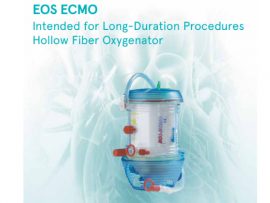
Abstract Extracorporeal membrane oxygenation (ECMO), an advanced life support method, was developed to treat severe cardiac and pulmonary failure in critically ill patients. ECMO was previously used to treat ARDS,..
Read More
Abstract Bleeding is a common complication of extracorporeal membrane oxygenation (ECMO), is multifactorial, and results in significant morbidity and mortality. Pulmonary hemorrhage represents a serious adverse event in pediatric patients..
Read More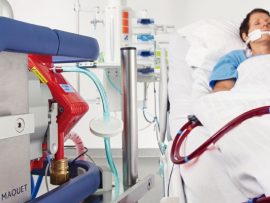
Abstract Aims The role of extracorporeal membrane oxygenation (ECMO) remains ill defined in pulmonary embolism (PE). We investigated outcomes in patients with high-risk PE undergoing ECMO according to initial therapeutic..
Read More
Abstract Background Hemolysis, variably defined in mechanical circulatory support (MCS), is understudied in percutaneous left ventricular assist devices. We characterize hemolytic sequelae of Impella 5.5-supported patients in the largest series..
Read More
Abstract Cardiopulmonary bypass (CPB) is widely used in cardiac operations. However, it remains unclear whether a CPB circuit, which is mainly made of plastics, can release micronanoplastics (MNPs) into the..
Read More
Abstract Extracorporeal carbon dioxide removal (ECCO2R) is an emerging technique designed to reduce carbon dioxide (CO2) levels in venous blood while enabling lung-protective ventilation or alleviating the work of breathing...
Read More
Abstract Intra-aortic balloon pumps (IABPs) are commonly used circulatory support devices. Mesenteric ischemia is a serious and poorly studied complication of IABP use. Here, we examine six cases of mesenteric..
Read More
Abstract Background Hemocompatibility remains the dominant challenge in rotary blood pumps, and more information on the relationship between individual pump design features, hemodynamics, and blood trauma in various operation conditions..
Read More
Abstract “Mechanotransduction” is a term I would use to describe my research topic, and it works perfectly well, as long as the goal is to earn confused looks and immediately..
Read More
Abstract Background Previously, two international surveys have addressed the wider application of platelet collection by apheresis technology and practical issues of platelet transfusion. Study design and methods A questionnaire was..
Read More
Abstract Rapid hemodynamic stabilization and restoration of pulmonary perfusion are the cornerstones of treatment for high-risk pulmonary embolism (PE). While all current guidelines recommend systemic thrombolysis (SYS) as the first-line..
Read More
Abstract Background and Objective: Effective cerebral perfusion monitoring is essential in aortic arch surgery, particularly when employing the Kazui technique under moderate hypothermia. Near-infrared spectroscopy (NIRS) provides real-time regional oxygen..
Read More
Abstract Introduction: Complex aortic surgery involving Jehovah’s Witness patients presents a significant challenge due to their refusal of blood products. Case report: This case report details the management of..
Read More
Abstract Extracorporeal life support (ECLS) has become increasingly common in the United States to manage refractory cardiopulmonary failure and has been used in complex populations including pregnant women. Application of..
Read More
Abstract Background Acute respiratory distress syndrome (ARDS) is a severe lung condition characterized by diffuse alveolar damage and hypoxemia. Venovenous extracorporeal membrane oxygenation (vv-ECMO) supports gas exchange and reduces ventilator-induced..
Read More
Abstract Introduction Unprofessional behaviors (UB) such as bullying and incivility among healthcare staff are a significant and pervasive issue, impacting staff wellbeing, and patient safety and experiences of care. Despite..
Read More
Abstract Background The optimal pulmonary revascularisation strategy in high-risk pulmonary embolism (PE) requiring implantation of extracorporeal membrane oxygenation (ECMO) remains controversial. Methods We conducted a systematic review and meta-analysis of..
Read More
Abstract Aim To compare the long-term Health-Related Quality of Life (HRQoL) between patients receiving extracorporeal cardiopulmonary resuscitation (ECPR) and conventional cardiopulmonary resuscitation (CCPR) for out-of-hospital cardiac arrest (OHCA). Methods and..
Read More
Abstract Guidelines summarize and evaluate available evidence with the aim of assisting health professionals in proposing the best management strategies for an individual patient with a given condition. Guidelines and..
Read More
Abstract The use of venoarterial extracorporeal membrane oxygenation (VA-ECMO) for temporary mechanical circulatory support in various clinical scenarios has been increasing consistently, despite the lack of sufficient evidence regarding its..
Read More
Abstract Background: High‑risk acute pulmonary embolism (PE) is a life‑threatening condition necessitating hemody‑namic stabilization and rapid restoration of pulmonary perfusion. In this context, evidence regarding the benefit ofadvanced circulatory support..
Read More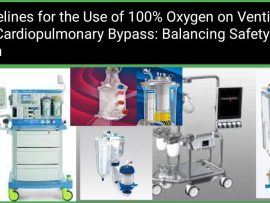
Introduction Oxygen is vital to life and a central element of cardiopulmonary support. During cardiac surgery—whether on mechanical ventilation or cardiopulmonary bypass (CPB)—100% oxygen is often used out of tradition..
Read More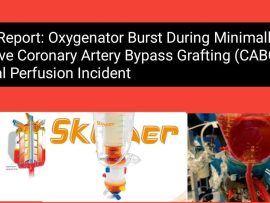
Abstract This case report discusses a rare and critical perfusion accident during a minimally invasive coronary artery bypass grafting (CAGB) procedure, where a Eurosets Skipper oxygenator burst 3 minutes after..
Read More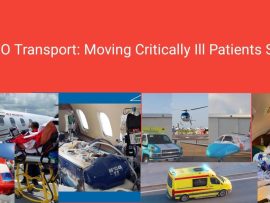
Introduction Extracorporeal Membrane Oxygenation (ECMO) is a life-saving intervention for patients with severe cardiac and respiratory failure. However, the need for specialized ECMO care often necessitates the transport of critically..
Read More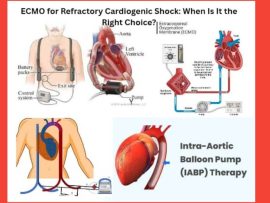
Introduction Refractory cardiogenic shock (RCS) is a life-threatening condition where the heart fails to supply adequate blood flow to the body's organs, despite maximal medical therapy. It is a major..
Read More
Abstract Background: Management of arterial carbon dioxide tension (PaCO₂) during extracorporeal circulation is critical to maintaining physiological stability. Both cardiopulmonary bypass (CPB) and extracorporeal membrane oxygenation (ECMO) significantly alter natural..
Read More