
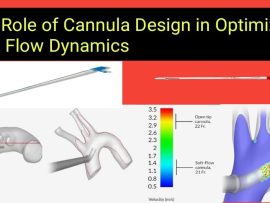

In the complex world of cardiopulmonary bypass (CPB), where precision, safety, and efficiency govern every aspect of patient care, the significance of flow dynamics cannot be overstated. While the primary..
Read More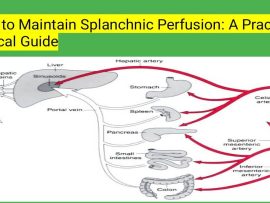
Introduction Splanchnic perfusion refers to the blood flow through the splanchnic circulation, which supplies the gastrointestinal organs including the stomach, intestines, liver, pancreas, and spleen. Maintaining adequate splanchnic blood flow..
Read More
Introduction The heart is nature’s pulsatile pump, delivering rhythmic surges of blood critical not only for oxygen transport but also for maintaining vascular health. Cardiopulmonary bypass, a lifesaving intervention, often..
Read More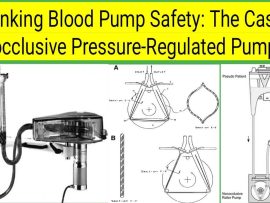
In cardiopulmonary bypass (CPB), roller and centrifugal pumps have been the mainstays for decades, each with unique benefits and challenges. However, these traditional blood pumps come with inherent pressure-related risks..
Read More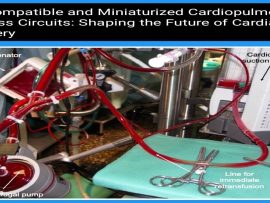
Introduction Cardiopulmonary bypass (CPB) is fundamental to modern cardiac surgery, allowing surgeons to perform complex procedures on a still and bloodless heart. However, traditional CPB systems are associated with complications..
Read More
Abstract Objective Postoperative pneumonia (POP) frequently complicates cardiac surgery that involves cardiopulmonary bypass (CPB). This study aimed to assess the diagnostic utility of procalcitonin (PCT) for identifying pneumonia after CPB-assisted..
Read More
Abstract Background: Extracorporeal cardiopulmonary resuscitation (eCPR) is a method for initiation of cardiopulmonary bypass during resuscitation of a patient with refractory cardiac arrest to support end-organ perfusion. This retrospective study evaluates..
Read More
Abstract Importance Platelet transfusion is a frequent procedure with benefits and risks. Objective To provide recommendations in adult and pediatric populations in whom platelet transfusions are commonly performed. Evidence Review Grading of Recommendations..
Read More
Abstract Background Postoperative hypothermia seems to be a common problem in surgical patients but is easily ignored. This study aimed to identify risk factors for postoperative hypothermia in non-cardiac surgery..
Read More
Abstract Background In-hospital handover of patient care is an essential but high-risk professional activity that often lacks transparency for patients. The purpose of this survey was to gain insight into..
Read More
Abstract Objective The pattern and timing of palliative care utilisation and end-of-life characteristics in extracorporeal membrane oxygenation (ECMO)-supported patients remain underused. We wanted to share our centre’s experience. Methods This is an..
Read More
Abstract Introduction Central venous pressure has been a key component of haemodynamic monitoring for several decades, but its clinical utility is still debated. While central venous pressure has been used..
Read More
Abstract Objectives The aim of this physiological pilot study was to investigate the effect of deep hypothermia on oxygen extraction (OE) and consumption (VO2) in normothermic conditions (36-37°C), and at..
Read More
Abstract Background Postoperative period of Coronary Artery Bypass Grafting can be challenging, with physical and psychological problems and symptoms. We conducted this study to explore the effect of a psycho-educational..
Read More
Abstract Objective Pediatric Veno-Arterial Extra Corporeal Membrane Oxygenation (VA ECMO) can be a lifesaving technology; however, it is associated with high mortality. A successful VA ECMO course requires attention to..
Read More
Abstract Background: A significant gap exists in the knowledge and procedural skills of medical graduates when it comes to managing emergencies. In response, highly immersive virtual reality (VR)–based learning environments..
Read More
Abstract Introduction During surgery, blood is recovered from the surgical field and the autotransfusion device separates and washes the red blood cells (RBC’s) after which these can be retransfused to..
Read More
Abstract Psychological safety is a crucial component in highly functioning healthcare teams, enabling every member to speak up, take innovative risks and admit mistakes without fear of personal attack or..
Read More
Abstract Sepsis-induced cardiomyopathy is a severe complication seen in patients with refractory septic shock, characterized by cardiac dysfunction due to an overwhelming inflammatory response secondary to infection. Despite its reversible..
Read More
Abstract Background Clinical evidence regarding predictors of successful weaning from mechanical circulatory support (MCS) is lacking. This study aimed to create a simple risk score to predict successful weaning from..
Read More
Abstract Background: Interprofessional teamwork is essential for patient outcomes in emergency medicine; yet, effective training in this area is scarce. Virtual reality (VR) provides a promising, resource-efficient solution for simulating..
Read More
Abstract Objective To assess the effects of dexmedetomidine (DEX) on cerebrovascular autoregulation in children with congenital heart disease (CHD) using transcranial color-coded duplex sonography (TCCD). Design Randomized controlled trial. Setting..
Read More
Abstract Background/Objectives: Critically ill patients can often present acid–base alterations. The aim of this study was to evaluate the prevalence and the time-course of acid–base alterations on intensive care unit..
Read More
Abstract Venopulmonary arterial (VPA) extracorporeal membrane oxygenation (ECMO) is emerging as an alternative to traditional venovenous (VV) ECMO for respiratory failure. This study compares rates of hemolysis and acute kidney..
Read More
Abstract Background Research shows that simulation-based training can increase knowledge and skills among pregraduate healthcare students, that simulation-based training of technical skills places the participants higher on the learning curve..
Read More
Abstract Extracorporeal carbon dioxide removal (ECCO2R) is increasingly used in clinical practice as a means of facilitating protective mechanical ventilation and reducing the risk of ventilator-induced lung injury (VILI) in patients..
Read More
Abstract Objective To investigate the relationship between arterial oxygen partial pressure (PaO2) and all-cause mortality of post–cardiac surgery patients. Design A retrospective cohort study based on the Medical Information Mart..
Read More
Abstract Cytokine storm (CS) is a severe systemic inflammatory syndrome characterized by the excessive activation of immune cells and a significant increase in circulating levels of cytokines. This pathological process..
Read More
Abstract As extracorporeal cardiopulmonary resuscitation (ECPR) is increasingly utilized for refractory cardiac arrest in adults, we learn significantly more about resuscitation in ways that were not applicable, or even available..
Read More
Abstract Introduction Postoperative acute kidney injury (AKI) is a common postoperative complication in cardiac surgery, with varying reported incidences and prognostic factors. Renal hypoperfusion is believed to be a key..
Read More