


Abstract Normothermic ex vivo lung perfusion (EVLP) can resuscitate marginal lung allografts to increase organs available for transplantation. During normothermic perfusion, cellular metabolism is more active compared with subnormothermic perfusion, creating a..
Read More
Abstract Background In on-pump cardiac surgery, the albumin priming strategy could maintain colloid osmotic pressure better than crystalloid solutions and reduce excessive perioperative fluid balance. However, a high-quality meta-analysis is..
Read More
Abstract Myocardial perfusion imaging (MPI) is a clinical tool which can assess the heart's perfusion status, thereby revealing impairments in patients' cardiac function. Within the MPI modality, the acquired three-dimensional..
Read More
Abstract Background Venous blood gas sampling has replaced arterial sampling in many critically ill patients, though interpretation of venous pCO2 still remains a challenge. Lemoël et al., Farkas and Zeserson et..
Read More
Abstract Background Postoperative delirium (POD) is a complication after surgery which leads to worse outcomes. The frequency of this syndrome is increasing as more elderly patients undergo major surgery. The..
Read More
Abstract In elderly patients undergoing cardiac surgery, extracorporeal circulation affects the incidence of post-operative delirium and cognitive impairment with an impact on quality of life and mortality. In this study,..
Read More
Abstract Background Intraoperative pulmonary embolism (PE) with cardiac arrest (CA) represents a critical and potentially fatal condition. Available treatments include systemic thrombolysis, catheter-based thrombus fragmentation or aspiration, and surgical embolectomy...
Read More
Abstract Background Traditionally, novice perfusionists learn and practice clinical skills, during live surgical procedures. The profession’s accrediting body is directing schools to implement simulated cardiopulmonary bypass (CPB) into the curriculum...
Read More
Abstract Thrombus occlusion in the cardiopulmonary bypass (CPB) circuit is a life-threatening adverse event. Herein, the authors present a case of Stanford type A aortic dissection in which the CPB..
Read More
Abstract Purpose: Red-colored urine often occurs in patients in the perioperative period who undergo cardiac surgery using cardiopulmonary bypass (CPB). This urine color change has been utilized for approximating hemolysis..
Read More
Abstract Background The risks and benefits of preoperative aspirin continuation in patients undergoing isolated heart valve replacement surgery are unclear. We investigated the effect of aspirin continuation on the risk..
Read More
Abstract Background Children undergoing cardiac surgery are at risk for acute kidney injury (AKI) and cardiac dysfunction. Opportunity exists in protecting end organ function with remote ischemic preconditioning. We hypothesize..
Read More
Con: Mechanical Ventilation During Cardiopulmonary Bypass Abstract The ventilatory strategy to adopt during cardiopulmonary bypass is still being debated. The rationale for using continuous positive airway pressure or mechanical ventilation..
Read More
Abstract Background Monitoring fluid therapy is challenging in patients assisted with Veno-arterial ECMO. The aim of our study was to evaluate the usefulness of capillary refill time to assess the..
Read More
Abstract A 53 year old female was referred to our quaternary center for venovenous extracorporeal membrane oxygenation (ECMO) retrieval. Following a brief admission for a cosmetic procedure, she had represented..
Read More
Abstract Objectives: Extracorporeal life support can lead to rapid reversal of hypoxemia but the benefits and harms of different oxygenation targets in severely ill patients are unclear. Our primary objective..
Read More
Abstract Despite the frequent use of prophylactic antibiotics in hospitals for extracorporeal membrane oxygenation (ECMO) patients, the Extracorporeal Life Support Organization (ELSO) Infectious Disease Task Force does not recommend routine..
Read More
Abstract Objectives Right ventricular failure following implantation of a durable left ventricular assist device (LVAD) is a major driver of mortality. Reported survival following biventricular (BiVAD) or total artificial heart..
Read More
Abstract For the first time, a heart transplant has been successfully performed after transport of a donor heart across the Atlantic Ocean, marking a substantial advancement in the realm of..
Read More
Abstract Extracorporeal Membrane Oxygenation (ECMO) has emerged as a vital therapy offering a lifeline to critically ill patients with severe respiratory or cardiac failure. Its life-saving potential is undeniable, with survival..
Read More
Abstract Background Use of venovenous extracorporeal membrane oxygenation (ECMO) is increasing, but candidacy selection processes are variable and subject to bias. Research Question What are the reasons behind venovenous ECMO..
Read More
Abstract Pulmonary echinococcosis is a parasitic infection that accounts for 20% of the infected cases with echinococcosis. Patients may present after a cyst rupture associated with a variety of complications,..
Read More
Abstract Extracorporeal membrane oxygenation (ECMO) is often associated with disturbances in acid/base status that can be triggered by the underlying pathology or the ECMO circuit itself. Extracorporeal membrane oxygenation is..
Read More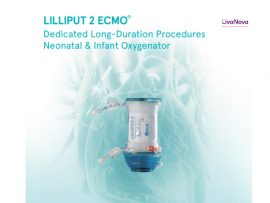
Abstract Introduction: The optimal timing for extracorporeal membrane oxygenation (ECMO) circuit change-out is crucial for the successful management of patients with severe cardiopulmonary failure. This comprehensive review examines the various..
Read More
Abstract Background During the peak of the COVID pandemic, there was a high degree of awareness around myocarditis as a potential manifestation. However, it is not very clear if hospitalizations..
Read More
Abstract Mechanical circulatory support (MCS) as a bridge to lung transplant is an infrequent but accepted pathway in patients who have refractory end-stage pulmonary failure. The American Association of Thoracic..
Read More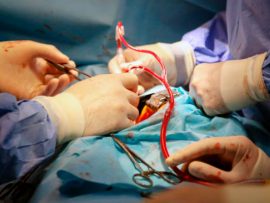
Abstract Background: Acute kidney injury (AKI) is a common and serious complication after the repair of Type A acute aortic dissection (TA-AAD). However, previous models have failed to account for the..
Read More
Abstract Microcirculation is essential for cellular life and its functions. It comprises a complex network of capillaries, arterioles, and venules, which distributes oxygenated blood across and within organs based on..
Read More
Abstract Background: Early detection of acute kidney injury (AKI) is crucial for timely intervention and improved patient outcomes after cardiac surgery. This study aimed to evaluate the potential of urinary..
Read More
Abstract Objective Patients undergoing heart surgery are at high risk of postoperative fluid accumulation due to long procedures and cardiopulmonary bypass. In the present study, we sought to investigate the..
Read More