


Abstract Objectives: Most post-cardiotomy (PC) extracorporeal membrane oxygenation (ECMO) runs last less than 7 days. Studies on the outcomes of longer runs have provided conflicting results. This study investigates patient..
Read More
Abstract Burn patients face cardiopulmonary failure risks, with recent observational studies suggesting promising outcomes for extracorporeal membrane oxygenation (ECMO). However, the effectiveness and long-term survival remain unclear. Our study aims..
Read More
Introducing a free-breathing MRI method to assess peri-operative myocardial oxygenation and function
Abstract BACKGROUND Induction of general anaesthesia has many potential triggers for peri-operative myocardial ischaemia including the acute disturbance of blood gases that frequently follows alterations in breathing and ventilation patterns...
Read More
Abstract Purpose Pulse Decomposition Analysis (PDA) uses integration of the systolic area of a distally transmitted aortic pulse as well as arterial stiffness estimates to compute cardiac output. We sought..
Read More
Abstract Background: Access to quality healthcare education across the world is disproportionate. This study explores the potential for Cardiovascular Perfusion education to be delivered online to reach international students. Methods:..
Read More
Abstract Background Conventional coronary artery bypass grafting (CCABG) tends to cause severe complications in patients with comorbid Coronary Artery Diseases (CAD) and diabetes. On the other hand, the Minimally Invasive..
Read More
Abstract Valvular heart disease is common and its prevalence is rapidly increasing worldwide. Effective medical therapies are insufficient and treatment was historically limited to the surgical techniques of valve repair..
Read More
Abstract OBJECTIVES Intestinal ischaemia–reperfusion injury induced by cardiopulmonary bypass causes intestinal epithelial barrier dysfunction, leading to dysbiosis and bacterial translocation. We conducted a randomized prospective study with 2 objectives: (i)..
Read More
Abstract Venoarterial extracorporeal membrane oxygenation (VA-ECMO) has been increasingly used to treat refractory cardiogenic shock (CS) or cardiac arrest (CA) over the past decades. Peripheral VA-ECMO increases left ventricular (LV)..
Read More
Abstract Objective To demonstrate the value of a viscoelastic-based intraoperative transfusion algorithm to reduce non-RBC product administration in adult cardiac surgical patients. Design A prospective observational study. Setting At a..
Read More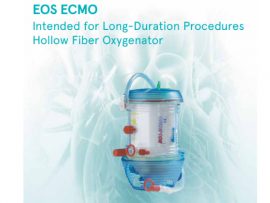
Abstract Extracorporeal membrane oxygenation (ECMO) is a cardiac or pulmonary function support system that is used in cases of refractory organ failure in addition to conventional treatment. Currently, Level I..
Read More
Abstract Introduction The use of packed red blood cells (pRBCs) for resuscitation is limited by the red blood cell storage lesion, a series of biochemical and physiological changes that occur..
Read More
Abstract Hollow fiber membrane is incorporated into an extracorporeal membrane oxygenator (ECMO), and the function of the membrane determines the ECMO's functions, such as gas transfer rate, biocompatibility, and durability...
Read More
Abstract Introduction Andexanet alfa (AA) - zhzo, recombinant coagulation factor Xa, is an approved antidote for oral Xa inhibitors (apixaban and rivaroxaban). Unfractionated heparin (UFH) is commonly used for therapeutic,..
Read More
Abstract Purpose Severe acute respiratory distress syndrome (ARDS) with PaO2/FiO2 < 80 mmHg is a life-threatening condition. The optimal management strategy is unclear. The aim of this meta-analysis was to compare the effects..
Read More
Abstract Background Out-of-hospital cardiac arrest (OHCA) remains a significant cause of mortality and morbidity worldwide. Extracorporeal cardiopulmonary resuscitation (ECPR) is a potential intervention for OHCA, but its effectiveness compared to..
Read More
Abstract Extracorporeal membrane oxygenation (ECMO) is often used in acute respiratory distress syndrome (ARDS) with refractory hypoxemia. There is limited literature highlighting the development of right ventricular (RV) failure while..
Read More
Abstract Background In lung transplantation (LTx) surgery, veno-arterial extracorporeal membrane oxygenation (VA-ECMO) can provide mechanical circulatory support to patients with cardiopulmonary failure. However, the use of heparin in the administration..
Read More
Abstract Hemoperfusion is a therapeutic method in which a large volume of the patient's blood is passed over an adsorbent material to remove toxins from the blood. Adsorption is a..
Read More
Abstract Background Drug Reaction with Eosinophilia and Systemic Symptoms (DRESS) Syndrome is a severe adverse drug reaction marked by delayed hypersensitivity reactions causing skin and systemic complications. DRESS diagnosis is..
Read More
Abstract Sparse data exist on sex-related differences in extracorporeal cardiopulmonary resuscitation (ECPR) for refractory cardiac arrest (rCA). We explored the role of sex on the utilization and outcomes of ECPR..
Read More
Abstract Background Cerebral protection strategies have been investigated since the introduction of aortic arch surgery and have been modified over the centuries. However, the cerebral protective effects of unilateral and..
Read More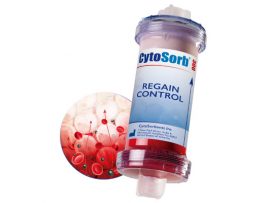
PRINCETON, N.J., June 04, 2024 (GLOBE NEWSWIRE) -- CytoSorbents Corporation (NASDAQ: CTSO), a leader in the treatment of life-threatening conditions in the intensive care unit and cardiac surgery using blood purification via..
Read More
Treatment strategies for acute respiratory distress syndrome have dramatically improved in recent years. Nevertheless, despite optimization of ventilator parameters, mortality remains high. Venovenous extracorporeal membrane oxygenation (ECMO) allows the elimination..
Read More
[playlist type="video" ids="41303"] Built on LivaNova’s 50-year legacy of safety and reliability, Essenz supports the Perfusionist in doing what is best for each patient, and allows the entire heart team..
Read More
Abstract Background: In lung transplantation surgery, extracorporeal life support (ECLS) is essential for safety. Various support methods, including cardiopulmonary bypass (CPB) and off-pump techniques, are used, with extracorporeal membrane oxygenation (ECMO)..
Read More
Abstract Objective Cardiac surgery with cardiopulmonary bypass (CPB) is associated with hypofibrinogenemia and severe bleeding requiring transfusion. Guidelines recommend cryoprecipitate or fibrinogen concentrate (FC) for the treatment of acquired hypofibrinogenemia...
Read More
Abstract Background Intraoperative packed red blood cell (PRBC) transfusion during cardiac surgery is associated with increased postoperative morbidity and mortality; however, data on the association between PRBC transfusion and postoperative..
Read More
Abstract Background Adverse events (AEs) affect 10% of in-hospital patients, causing increased costs, injuries, disability and mortality. Patient safety culture (PSC) is an indicator of quality in healthcare services and..
Read More
Abstract Background We sought to evaluate whether the anatomic and physiologic stratification system (ACAP score), released as part of the American College of Cardiology/American Heart Association updated guidelines for management..
Read More