


Abstract BACKGROUND: Flooding the surgical field with dry cold CO2 during open-chamber cardiac surgery has been used to mitigate air entrainment into the systemic circulation. However, exposing epithelial surfaces to cold,..
Read More
Abstract Objectives Patients with endocarditis requiring urgent valvular surgery with cardiopulmonary bypass are at a high risk of developing systemic inflammatory response syndrome and septic shock, necessitating intensive use of..
Read More
Abstract Introduction Varying the insertion depth of the aortic cannula during cardiopulmonary bypass (CPB) has been investigated as a strategy to mitigate cerebral emboli, yet its effectiveness associated with CPB..
Read More
Abstract The antiphospholipid syndrome (APS), a systemic autoimmune disease characterized by a hypercoagulability associated to vascular thrombosis and/or obstetric morbidity, is caused by the presence of antiphospholipid antibodies such as..
Read More
Abstract Air emboli are reported to enter the cardiovascular system during cardiac surgery despite air-bubble filters in the arterial line of the cardiopulmonary bypass (CPB). A potential association with stroke,..
Read More
Abstract The use of venoarterial extracorporeal membrane oxygenation (VA-ECMO) following acute myocardial infarction with cardiogenic shock (AMI-CS) is increasing, but the ability to predict favorable outcomes with support remains limited...
Read More
In this video you can see complete step by step organ donation of patient with borderline organs including heart liver and kidneys undergone sternotomy and aortic cannulation as blood exit..
Read More
Abstract Although mechanical circulatory support (MCS) has been used to support patients with cardiogenic shock (CS) for many years, recent advances in device technology, together with the lackluster performance of..
Read More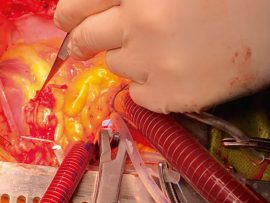
Abstract Background Hyperglycemia during coronary artery bypass graft surgery (CABG) strongly predicts intra- and post-operative adverse consequences. Objectives This study aimed to evaluate the quality of glycemic management during CABG..
Read More
Abstract Introduction In peripheral percutaneous (VA) extracorporeal membrane oxygenation (ECMO) procedures the femoral arteries perfusion route has inherent disadvantages regarding poor upper body perfusion due to watershed. With the advent..
Read More
Abstract Aim Extracorporeal cardiopulmonary resuscitation (ECPR) is performed in refractory out-of-hospital cardiac arrest (OHCA) patients, and the eligibility has been conventionally determined based on three criteria (initial cardiac rhythm, time..
Read More
Abstract BACKGROUND: Viscoelastic tests (VETs) are recommended during cardiac surgery to monitor coagulation status and guide transfusion. We compared the results of two VETs, the Sonoclot Analyzer and the ROTEM..
Read More
Abstract Introduction Although extracorporeal membrane oxygenation (ECMO) has been associated with improved outcomes in COVID patients with respiratory failure, data regarding the need for blood product utilization in this population..
Read More
Abstract There has been significant progress in the development of ex vivo machine perfusion for the nonischemic preservation of donor organs. However, several complications remain, including the logistics of using human blood..
Read More
Abstract Artificial intelligence (AI) and machine learning (ML) are poised to transform the way health care is delivered. AI is the use of computers to simulate intelligent tasks typically performed..
Read More
Abstract Minimally invasive cardiac surgery (MICS) has evolved in its practice over the past several years. Percutaneous cannulation is a technique that can be used during MICS to facilitate cardiopulmonary..
Read More
Abstract The aim of the present study was to evaluate the usefulness of measuring whole blood coagulation with Sonoclot to predict return of spontaneous circulation (ROSC) in patients with out-of-hospital..
Read More
Abstract Objective Acute kidney injury (AKI) following pediatric cardiac surgery with cardiopulmonary bypass is a frequently reported complication. This study aims to determine the critical oxygen delivery (DO2i) threshold associated..
Read More
Abstract Objectives Despite training and the recognition that speaking up can mitigate harm to patients and save lives, healthcare professionals do not consistently speak up when they have patient safety concerns...
Read More
Treatment of pediatric aortic valve disease is controversial. In this regard, interest is growing in the neocuspidization of the aortic valve according to Ozaki. In this video tutorial, we illustrate..
Read More
Abstract This guideline discusses nutritional support for neonatal and pediatric patients requiring extracorporeal membrane oxygenation (ECMO) support. Data for nutrient delivery during ECMO support and its impact on outcomes are..
Read More
Rare patient with myxomatosis change in aortic valve position undergone AVR with mechanical valve with good post operative course and TEE and TTE. Dr.Sam Zeraatian Nejad Davani, CEO of rockingham..
Read More
Abstract Purpose: The goal of this investigation was to examine the influence of two oxygenators with different membranes, made of either polypropylene (PPL) or polymethylpentane (PMP), on the plasma concentration of..
Read More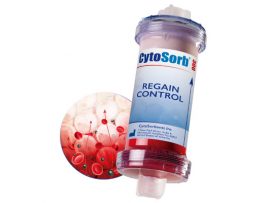
This case reports on a 31-year-old previously healthy female patient, who was admitted post-operatively to the intensive care unit (ICU) with hemorrhagic shock and dilutional/ disseminated intravascular coagulopathy following secondary..
Read More
Abstract Extracorporeal membrane oxygenation (ECMO) support requires skills that can only be found in specialized centers. The number of patients annually supported with ECMO is positively associated with the survival..
Read More
Abstract The use of extracorporeal membrane oxygenation (ECMO) is growing rapidly in all patient populations, especially adults for both acute lung or heart failure. ECMO is a complex, high risk,..
Read More
Abstract Introduction Extracorporeal Membrane Oxygenation (ECMO) may be used in the setting of pregnancy or the peripartal period, however its utility has not been well-characterized. This study aims to give..
Read More
Abstract Anterograde or retrograde cerebral perfusion can protect the brain from ischemic injury during hypothermic circulatory arrest (HCA), but neither type of perfusion provides blood flow to the abdominal viscera...
Read More
Abstract Objective The study objective was to assess the benefits of del Nido cardioplegia compared with cold blood cardioplegia solution in terms of myocardial protection during adult cardiac surgery. Methods..
Read More
Abstract One of the hallmarks of the SARS-CoV-2 infection has been the inflammatory process that played a role in its pathogenesis, resulting in mortality within susceptible individuals. This uncontrolled inflammatory..
Read More