

Abstract Extracorporeal membrane oxygenation (ECMO) is used in cases of severe respiratory failure refractory to medical management. Use of ECMO is increasing, along with new cannulation strategies including oxygenated right..
Read More
Abstract Veno-venous extracorporeal membrane oxygenation (V–V ECMO) has an established evidence base in acute respiratory distress syndrome (ARDS) and has seen exponential growth in its use over the past decades...
Read More
Abstract While mechanical ventilation practices on venovenous extracorporeal membrane oxygenation (VV ECMO) are variable, most institutions utilize a lung rest strategy utilizing relatively low positive end-expiratory pressure (PEEP). The effect..
Read More
Abstract Introduction: Obesity is associated with a worse prognosis in COVID-19 patients with acute respiratory distress syndrome (ARDS). Veno-venous (V-V) Extracorporeal Membrane Oxygenation (ECMO) can be a rescue option, however, the..
Read More
Abstract Venovenous (VV) extracorporeal membrane oxygenation (ECMO) is a form of mechanical life support that provides full respiratory bypass in patients with severe respiratory failure as a bridge to recovery..
Read More
Abstract Introduction: Oxygenator exchange during extracorporeal membrane oxygenation (ECMO) is a life-threatening procedure. D-dimer has been used to predict oxygenator failure, but it is a parameter used a few days..
Read More
Abstract Our study assessed the relationship between the duration of venovenous extracorporeal membrane oxygenation (V-V ECMO) and patient outcomes. We studied patients undergoing V-V ECMO support for acute respiratory distress..
Read More
Abstract OBJECTIVES: Despite increasing use and promising outcomes, venovenous extracorporeal membrane oxygenation (V-V ECMO) introduces the risk of a number of complications across the spectrum of ECMO care. This narrative review describes..
Read More
Abstract Accurately selecting patients who are likely to benefit from venovenous extracorporeal membrane oxygenation (VV-ECMO) for severe respiratory failure is crucial given its low availability, substantial invasiveness, associated complications, and..
Read More
ECMO During COVID-19: A Society of Thoracic Surgeons/Extracorporeal Life Support Organization Survey
Abstract Background The Society of Thoracic Surgeons Workforce on Critical Care and the Extracorporeal Life Support Organization sought to identify how the coronavirus disease 2019 (COVID-19) pandemic has changed the..
Read More
Abstract Objectives To determine in patients with acute respiratory distress syndrome (ARDS) on venovenous extracorporeal membrane oxygenation (VV ECMO) whether reducing driving pressure (ΔP) would decrease plasma biomarkers of inflammation..
Read More
Abstract The recirculation of venovenous extracorporeal membrane oxygenation (VV-ECMO) will decrease the efficiency of respiratory support. We report a patient with refractory severe acute respiratory distress syndrome (ARDS). Even with..
Read More
Abstract The Extracorporeal Life Support Organisation (ELSO) recommends initiating veno-venous extracorporeal membrane oxygenation (ECMO) with sweep gas flow rate (V˙sweep) of 2 L/min and extracorporeal circuit blood flow (Q˙ec) of 2 L/min...
Read More
Abstract Rational. Long-term outcomes of patients with COVID-19-related acute respiratory distress syndrome (ARDS) treated with extracorporeal membrane oxygenation (ECMO) are unknown. Methods. Multicenter, prospective study in patients who received ECMO..
Read More
Abstract OBJECTIVES: Prone positioning and venovenous extracorporeal membrane oxygenation (ECMO) are both useful interventions in acute respiratory distress syndrome (ARDS). Combining the two therapies is feasible and safe, but the..
Read More
Abstract Refractory hypoxemia during support on venovenous (VV) extracorporeal membrane oxygenation (ECMO) is a challenging clinical problem. Manipulating ventilator settings, prone positioning, optimizing cannula position, and ECMO flows, and the..
Read More
Abstract Background: Ultra‑lung‑protective ventilation may be useful during veno‑venous extracorporeal membraneoxygenation (vv‑ECMO) for severe acute respiratory distress syndrome (ARDS) to minimize ventilator‑induced lunginjury and to facilitate lung recovery. The objective..
Read More
Abstract Despite being vital in treating intensive-care patients with lung failure, especially COVID-19 patients, Veno-Venous Extra-Corporeal Membrane Oxygenation does not exploit its full potential, leaving ample room for improvement. The..
Read More

Abstract Objective Continuous renal replacement therapy (CRRT) in patients receiving venovenous extracorporeal membrane oxygenation (VV ECMO) can be accessed via separate venous access (SVA) or directly “in-line” within the ECMO circuit...
Read More
Abstract Purpose The impact of body mass index (BMI) on outcomes in respiratory failure necessitating extracorporeal membrane oxygenation (ECMO) has been poorly described. We aimed to assess: (i) whether adults..
Read More
Abstract Background In patients receiving venovenous (VV) (ECMO) packed red blood cell (PRBC) transfusion thresholds are usually higher than in other patients who are critically ill. Available guidelines suggest a restrictive..
Read More
Abstract Right ventricular injury (RVI) in the context of acute respiratory distress syndrome (ARDS) is well recognized as an important determinant risk factor of mortality. Veno-venous extracorporeal membrane oxygenation (VV-ECMO)..
Read More
Abstract Objectives: To assess the association of timing to prone positioning (PP) during venovenous extracorporeal membrane oxygenation (V-V ECMO) with the probability of being discharged alive from the ICU at..
Read More
Abstract Venovenous extracorporeal membrane oxygenation (ECMO) is recommended in adult patients with refractory acute respiratory failure (ARF), but there is limited evidence for its use in patients with less severe..
Read More
Abstract Background Neurologic complications can occur during neonatal Veno-Venous (VV) ECMO. The addition of a cephalad drainage cannula (i.e., VVDL+V) to dual lumen cannulation (i.e., VVDL) has been advocated to..
Read More
Abstract Background Extracorporeal membrane oxygenation (ECMO) has salvaged many people's life during global pandemics. However, ECMO is associated with a high incidence of hemostatic complications. This study aims to explore..
Read More
Abstract Background Venovenous extracorporeal membrane oxygenation (ECMO) can be considered for patients with COVID-19-associated acute respiratory distress syndrome (ARDS) who continue to deteriorate despite evidence-based therapies and lung-protective ventilation. The..
Read More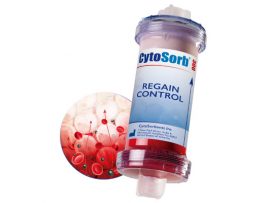
Abstract Acute respiratory distress syndrome (ARDS) is associated with high morbidity and mortality. Adjunct hemoadsorption is increasingly utilized to target underlying hyperinflammation derived from ARDS. This article aims to review..
Read More
Abstract During a 6 week period beginning early March 2020, 30 patients with severe coronavirus disease 2019 (COVID-19) were supported with venovenous extracorporeal membrane oxygenation (ECMO). This volume increase mandated..
Read More