


Abstract Background Children undergoing extracorporeal membrane oxygenation (ECMO) are at risk of hematologic and coagulation complications, including intracranial hemorrhage. Thromboelastography is used to monitor anticoagulation in patients receiving ECMO, but..
Read More
Abstract Viscoelastic testing (VET) has evolved significantly since its inception in the mid-20th century, when it was first developed to guide transfusion strategies in trauma and surgical patients. Initially, VET..
Read More
Abstract Introduction Thromboelastography (TEG), which indicates hemostatic ability, is useful for monitoring coagulation during extracorporeal circulation (ECC). However, the extent to which TEG levels are independently affected by ECC exposure..
Read More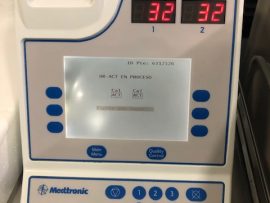
Abstract Introduction During extracorporeal membrane oxygenation (ECMO) systemic anticoagulation with unfractionated heparin (UFH) is standard-of-care. However, there is uncertainty regarding optimal anticoagulation monitoring strategies. Methods We retrospectively investigated venovenous and..
Read More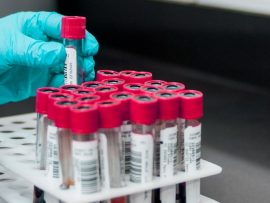
Abstract Background: Monitoring the anticoagulant effect of unfractionated heparin (UFH) in extracorporeal membrane oxygenation (ECMO) patients is complex but critically important to balance the risks of treatment related bleeding and..
Read More
Abstract Background Postoperative bleeding is associated with significant resource use and is an important contributor to other major adverse events in pediatric patients undergoing complex cardiac surgical procedures. Thromboelastography (TEG;..
Read More
Abstract Objective Systemic heparinization during cardiopulmonary bypass (CPB) can significantly affect thromboelastography (TEG). This study investigated the feasibility of adding protamine in vitro to allow assessment of coagulation status using the..
Read More
Abstract Reports on cases of factor Ⅴ (FⅤ) deficiency complicated by platelet function disorders in patients undergoing cardiac surgery are rare, and the utilization of thromboelastography in such cases is..
Read More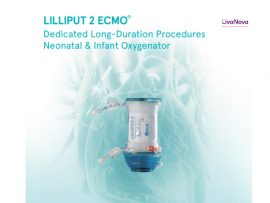
Abstract Introduction Extracorporeal membrane oxygenation (ECMO) may act as a driver or propagator of systemic inflammation. In turn, cytokine release can modify thromboelastographic (TEG) tests which are commonly used for..
Read More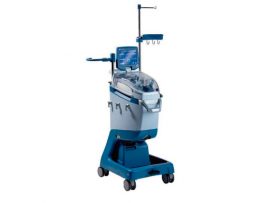
Abstract Background This study investigated whether intraoperative blood salvage was associated with coagulation disorder diagnosed by conventional coagulation tests and thromboelastography (TEG) after cardiopulmonary bypass (CPB). Study design and methods..
Read More
Abstract Hemostatic disturbances after cardiac surgery can lead to excessive postoperative bleeding. Thromboelastography (TEG) was employed to evaluate perioperative coagulative alterations in patients undergoing cardiac surgery with cardiopulmonary bypass (CPB),..
Read More
Abstract Objective There are no reports from Japan showing the effects of using the thromboelastography algorithm on transfusion requirements after Intensive Care Unit (ICU) admission, and post-implementation knowledge regarding the..
Read More
Abstract Viscoelastic coagulation tests have been increasingly used for hemostasis management in cardiac surgery. The ClotPro system is a novel viscoelastic device based on principles of rotational thromboelastometry. We aimed..
Read More
Abstract Introduction: We aimed to investigate parameters for prediction of post-operative blood loss and re-operation in patients who underwent cardiopulmonary bypass. Methods: Thrombin generation assay, activated partial thromboplastin time, activated clotting time..
Read More
Abstract Algorithms for treatment of diffuse bleeding in cardiac surgery are based on intervention thresholds of coagulation tests, such as rotational thromboelastometry (ROTEM) or conventional laboratory tests. The relationship between..
Read More
Abstract “Developmental hemostasis” refers to the dynamic process of gradual hemostatic maturation. Conventional coagulation tests seem to fail to accurately depict the in vivo hemostasis, while viscoelastic tests, thromboelastography (TEG),..
Read More
Abstract Background Thromboelastography (TEG) predicts bleeding in pediatric patients undergoing cardiac surgery. We hypothesize that TEG parameters at rewarming correlate with post-protamine values and that rewarming TEG is associated with..
Read More