


Ex Vivo Lung Perfusion (EVLP) has become a key strategy to assess, recondition, and safely transplant lungs from DCD (Donation after Circulatory Death) donors, particularly because of warm ischemia exposure...
Read More
Report of the Portable Ex Vivo Organ Perfusion Workforce Survey: Staffing Models and Clinical Trends
Abstract Historically, organs recovered for transplant have been transported using static cold preservation. However, newer portable ex vivo organ perfusion (PEVOP) strategies allow warm organ perfusion during transport. Although PEVOP is a..
Read More
Preparing the Child lung for transplant into the Adult patient with usage of EVLPD or Ex Vivo Lung Perfusion Device a practical application which every Perfusionist should be familiar with...
Read More
A complete advance series of lung procurement and usage of ex vivo lung perfusion technologies or device either in the presence of pulmonary thromboembolism. Dr.Sam Zeraatian Nejad Davani, CEO..
Read More
Abstract Background Cold static storage preservation of donor hearts for periods longer than 4 hours increases the risk of primary graft dysfunction (PGD). The aim of the study was to determine..
Read More
Abstract Normothermic ex vivo lung perfusion (EVLP) can resuscitate marginal lung allografts to increase organs available for transplantation. During normothermic perfusion, cellular metabolism is more active compared with subnormothermic perfusion, creating a..
Read More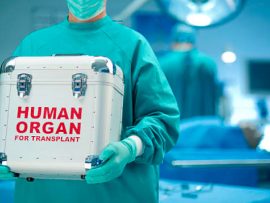
Abstract For the first time, a heart transplant has been successfully performed after transport of a donor heart across the Atlantic Ocean, marking a substantial advancement in the realm of..
Read More
Abstract Volatile anesthetics have been shown in different studies to reduce ischemia reperfusion injury (IRI). Ex vivo lung perfusion (EVLP) facilitates graft evaluation, extends preservation time and potentially enables injury..
Read More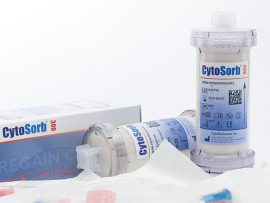
Abstract PRINCETON, N.J., Sept. 11, 2023 (GLOBE NEWSWIRE) -- (NASDAQ: CTSO), a leader in the treatment of life-threatening conditions in intensive care and cardiac surgery using blood purification via its..
Read More
Abstract Heart transplantation is considered the gold standard for the treatment of advanced end-stage heart failure. However, standard donors after brain death are decreasing, whereas patients on the heart transplant waitlist are..
Read More
Abstract Cardiac donation after circulatory death (DCD) with ex-vivo perfusion (EVP) has the potential to greatly increase the donor pool, a benefit that can extend to selected pediatric patients. We..
Read More
Abstract Background: In the US, only 23% of lungs offered for transplantation are transplanted. Ex vivo lung perfusion (EVLP) allows for evaluation of additional donor lungs; its adoption has been limited..
Read More
Abstract The number of waitlisted lung transplant candidates exceeds the availability of donor organs. Barriers to utilization of donor lungs include suboptimal lung allograft function, long ischemic times due to..
Read More
Abstract Cardiopulmonary bypass (CPB) circuits can significantly sequester intravenous anesthetics. Adsorption of medications by our institution’s standard circuit (Terumo CAPIOX FX05 oxygenator; noncoated polyvinylchloride tubing) has not been described. We..
Read More
Abstract Cardiopulmonary bypass (CPB) circuits can significantly sequester intravenous anesthetics. Adsorption of medications by our institution’s standard circuit (Terumo CAPIOX FX05 oxygenator; noncoated polyvinylchloride tubing) has not been described. We..
Read More
Abstract Background Pediatric heart transplant (HTx) recipients with congenital heart defects require complex concomitant surgical procedures with the risk of prolonging the allograft’s ischemic time. Ex vivo allograft perfusion with the..
Read More
Abstract Dexmedetomidine (DEX) is a sedative used in combination with other drugs in neonates and infants undergoing cardiac surgery using cardiopulmonary bypass (CPB). This study aimed to evaluate the disposition..
Read More