


Abstract Introduction: In cardiogenic shock, peripheral veno-arterial extracorporeal membrane oxygenation (VA-ECMO) can provide hemodynamic support, however this results in adverse left ventricular afterload. Left ventricle (LV) venting (unloading) has favorable effects..
Read More
Abstract Introduction Most patients on extracorporeal membrane oxygenation (ECMO) decease during therapy on the system. However, the actual causes of death have not been studied sufficiently. This study analyses the..
Read More
Abstract Complexity and a certain level of uncertainty are inherent to the clinical scenarios faced by the treating teams, often inundated with exhaustive details. Disease arises from a multitude of..
Read More
Abstract Background Extracorporeal membrane oxygenation (ECMO) is utilized as a rescue therapy in the management of pediatric patients with refractory septic shock. Multiple studies support the use of a central..
Read More
Abstract Objective: Neurologic complications in pediatric patients supported by extracorporeal membrane oxygenation (ECMO) are common and lead to morbidity and mortality; however, few modifiable factors are known. Design: Retrospective study..
Read More
Abstract Introduction: Obesity, defined as a body mass index ≥ 40 kg/m2, was considered a relative contraindication to cannulation for extra-corporeal membrane oxygenation (ECMO) during the coronavirus pandemic. While body habitus can..
Read More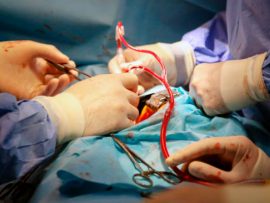
Abstract Decannulation of patients on peripheral veno-arterial extracorporeal membrane oxygenation (VA ECMO) typically involves femoral arterial cutdown and surgical arteriotomy closure in an operating room under general anesthesia. However, this..
Read More
Abstract Dual circulation is a common but underrecognized physiological occurrence associated with peripheral venoarterial extracorporeal membrane oxygenation (ECMO). Competitive flow will develop between blood ejected from the heart and blood..
Read More
Abstract Extracorporeal membrane oxygenation (ECMO) exposes patients to multiple radiologic studies. We hypothesized ECMO patients endure radiation exposure in excess of the International Commission of Radiological Protection (ICRP) recommendations of..
Read More
Abstract During extracorporeal membrane oxygenation (ECMO) blood is exposed to artificial surfaces, resulting in contact activation of the intrinsic coagulation pathway initiated by coagulation factor XII (FXII). Little is known..
Read More
Abstract Background: Hospitalized COVID-19 patients with hypoxemic respiratory failure may deteriorate despite invasive mechanical ventilation and thus require extracorporeal membrane oxygenation (ECMO) support. Unfractionated heparin (UFH) is the antithrombotic of..
Read More
Abstract BACKGROUND: Although venoarterial extracorporeal membrane oxygenation (VA-ECMO) is beneficial for the treatment of profound cardiogenic shock, peripheral VA-ECMO cannulation can increase left ventricular afterload, thus compromising myocardial recovery. We..
Read More
Abstract The role of ECMO support in airway procedures
Read More
Abstract Outcomes of pediatric patients who received extracorporeal life support (ECLS) for COVID-19 remain poorly described. The aim of this multi-institutional retrospective observational study was to evaluate these outcomes and..
Read More
Abstract Despite ECMO being a well-accepted and established life-saving support for newborns, prematurity (<34 weeks of gestation) and low birth weight <2.0 kg are still considered relative contraindications due to..
Read More
Abstract Introduction and Methods We examined the relationship between 24-h pre- and post-cannulation arterial oxygen tension (PaO2) and arterial carbon dioxide tension (PaCO2) and subsequent acute brain injury (ABI) in..
Read More
Abstract Nutrition support in critically ill infants and children remains an integral part of providing optimal care for these patients. The pediatric patient requiring extracorporeal membrane oxygenation therapy faces specific..
Read More
Abstract Background strategy, vasopressors, and hemolysis are important physiological factors that influence in (ECMO). We hypothesized these factors influence the discrepancy between measured by (Spo2) and (Sao2) on ECMO. Methods We retrospectively analyzed adults (aged ≥18..
Read More
Abstract Background: Venoarterial extracorporeal membrane oxygenation (VA ECMO) is an emergency procedure performed across various specialties. These conditions present barriers to education and assessment of competency. Checklists and simulation may be..
Read More
Abstract Background (FXII) is a multifunctional capable of activating thrombotic and inflammatory pathways. FXII has been linked to thrombosis in (ECMO), but the role of FXII in ECMO-induced inflammatory complications has not..
Read More
Abstract Extracorporeal membrane oxygenation (ECMO) is an invasive and last-resort treatment for circulatory and respiratory failure. Prolonged ECMO support can disrupt the coagulation and anticoagulation systems in a patient, leading..
Read More
Abstract Background Extracorporeal life support (ECLS) has extensive applications in managing patients with acute cardiac and pulmonary failure. Two primary modalities of ECLS, cardiopulmonary bypass (CPB) and extracorporeal membrane oxygenation..
Read More
Abstract This study investigated changes in coagulation and associations with occurrence of bleeding and thrombosis during extracorporeal membrane oxygenation (ECMO) therapy. The study included 100 adult ECMO-patients. Standard coagulation parameters,..
Read More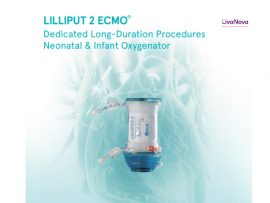
Abstract As the key component of extracorporeal membrane oxygenation (ECMO), artificial lung membranes have low gas permeability and plasma leakage problems, and the contact between membrane materials and blood can..
Read More
Abstract Extracorporeal membrane oxygenation (ECMO) is an important rescue therapy method for the treatment of severe hypoxic lung injury. In some cases, oxygen saturation and oxygen partial pressure in the..
Read More
Abstract Background Extubation during extracorporeal oxygenation (ECMO) in severe acute respiratory distress syndrome(ARDS) has not been well studied. Despite the potential benefits of this strategy, weaning from ECMO before libera‑tion..
Read More
Abstract The escalating concern of obesity in the United States isn’t merely a statistic; it’s a palpable crisis. As of 2017-2018, the CDC noted that . The ramifications of this startling..
Read More
Dynamic longitudinal increase in D-dimers: an early predictor of bleeding complications in ECMO
Read More
Abstract Background Venoarterial (VA-ECMO) is increasingly used with despite the lack of evidence from adequately powered . Three trials reported so far were underpowered to detect a survival benefit; we therefore conducted an individual..
Read More
Abstract Background Bleeding and thrombosis are common extracorporeal membrane oxygenation (ECMO) complications associated with increased mortality. Heparin is the most commonly used ECMO anticoagulant, employed in 94% of cases. Reduced..
Read More