


Abstract The Priming volume of the oxygenators has been reduced by 75% during the last two decades and it is now possible to go safely on bypass with a priming..
Read More
Abstract Introduction Cardiac surgery (CS) in pediatric patients induces an overt oxidative stress (OS) response. Children are particularly vulnerable to OS related injury. The immaturity of their organs and antioxidant..
Read More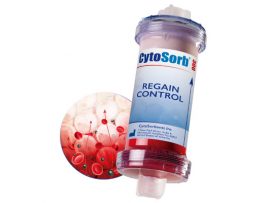
This case reports on a 17-year-old male patient with a history of fever, dyspnea, diffuse chest and abdominal pain, and generalized rash following COVID-19 molecular diagnosis. [pdf-embedder url="https://perfusfind.com/wp-content/uploads/2021/08/CoW_31_2021_E_web_compressed.pdf"]
Read More
Abstract We report a successful pediatric bridge to transplant following application of the ProTekDuo Cannula to provide right ventricular support in a 12-year-old child with biventricular cardiomyopathy and on left..
Read More
Abstract A prospective, observational single-center study was carried out. Pediatric patients undergoing congenital heart defect surgery were evaluated before, during, and after surgery. At each time point, sublingual microcirculation and..
Read More
This case reports on a 10-year-old female (37 kg), who was admitted to the inpatient pediatric department with syncope with subsequent persistent somnolence and suspected intoxication. [pdf-embedder url="https://perfusfind.com/wp-content/uploads/2021/05/CoW_19_2021_E_web_compressed.pdf"]
Read More
Abstract Efforts to reduce the trauma and discomfort associated with thoracic and cardiac procedures in children have a long and complex history. While much of the early focus has been..
Read More
Abstract The coronavirus disease 2019 (COVID-19) pandemic has impacted people of all ages. Although children have been largely spared from the direct impact of the pandemic and only a minority..
Read More
Abstract This is an updated, comprehensive and practical guideline for healthcare providers providing care to children and young adults with pulmonary hypertension (PH) and pulmonary vascular disease (PVD). Methodology included..
Read More
Abstract Background Children undergoing a cardiac surgical procedure are at increased risk for acute kidney injury (AKI). Novel biomarkers are needed to improve risk stratification of AKI after cardiac surgery...
Read More
Abstract OBJECTIVES Following paediatric cardiac surgery with cardiopulmonary bypass (CPB), there is a tendency for fluid accumulation. The colloid osmotic pressure of plasma (COPp) and interstitial fluid (COPi) are determinants..
Read More
Abstract Introduction: Cardiopulmonary bypass (CPB) can cause stress response that increases levels of cytokine and catecholamine in plasma, resulting in hyperglycemia. In adults, it has been demonstrated that remifentanil infusion..
Read More
Why Consider ECPR for Cardiopulmonary Arrest in Children? Because Conventional CPR may not be Sufficient to Optimize Outcomes in all Pediatric Cardiopulmonary Arrests Situations Survival rates with good neurologic outcomes..
Read More
Guidelines for the management of pre-operative paediatric clear fluid fasting historically recommend a minimum of 2 h. In particular, the published guideline from European Society of Anaesthesiology (ESA) in 2011,..
Read More
Abstract BACKGROUND Systemic inflammatory response syndrome (SIRS) is frequent after cardiac surgery, but data on its incidence and perioperative risk factors are scarce for children with congenital heart disease. METHODS..
Read More
Abstract Impaired haemostasis has been reported in children with congenital heart disease undergoing cardiopulmonary bypass. As thrombin generation encompasses all phases of the coagulation process, this analysis might provide the best assessment..
Read More
Abstract Objective Despite an increasing interest in pediatric repair, in children may be unavoidable. The evidence on outcome after pediatric aortic valve replacement is limited and usually reported in small case series...
Read More
Abstract Because of a severe dysregulation of the host response to infection, septic shock may induce a profound imbalance between oxygen consumption and delivery, which in some cases may be..
Read More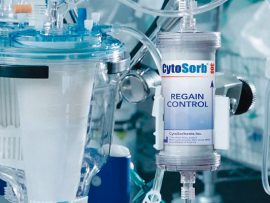
This case reports on a 6-year-old, previously healthy girl who presented to the hospital with a febrile illness and profound pain in her lower extremities. [pdf-embedder url="https://perfusfind.com/wp-content/uploads/2021/02/Cytosorb-for-Management-of-Acute-Kidney-Injury-due-to-Rhabdomyolysis-in-a-Child_compressed.pdf" title="Cytosorb for..
Read More
Abstract Objective: To describe neurobehavioral outcomes and investigate factors associated with survival and survival with good neurobehavioral outcome 1 year after in-hospital cardiac arrest for children who received extracorporeal cardiopulmonary..
Read More
Abstract The objective of this study is to establish reliable markers for mortality in children with refractory cardiogenic shock who underwent extracorporeal membrane oxygenation. A retrospective observational cohort study was..
Read More
Abstract Efforts to reduce blood product transfusions and adopt blood conservation strategies for infants and children undergoing cardiac surgical procedures are ongoing. Children typically receive red blood cell and coagulant..
Read More
Abstract Extracorporeal membrane oxygenation (ECMO) is a life-saving treatment for pediatric patients with respiratory and/or cardiac failure. The ECMO circuit oxygenates and sometimes pumps the blood, effectively replacing lung and/or..
Read More
Abstract Systemic inflammatory response and are prominent factors associated with and result in increased morbidity and mortality in children. Miniaturized systems have evolved to decrease such effects and restrict use of blood..
Read More
Abstract Differential hypoxia and the arterial mixing zone are two important factors in managing peripheral veno-arterial extracorporeal membrane oxygenation (VA-ECMO). With the aim of improving perfusion to the aortic arch..
Read More
Abstract Introduction and objective Children admitted to the pediatric intensive care unit after cardiovascular surgery usually require treatment with antibiotics due to suspicion of infection. The aim of this study..
Read More
Background The efficacy of extracorporeal membrane oxygenation (ECMO) in bridging children with unrepaired heart defects to a definitive or palliative surgical procedure has been rarely reported. The goal of this..
Read More
Impact of Corticosteroids on Cardiopulmonary Bypass Induced Inflammation in Children:A Meta-Analysis
Abstract Background Corticosteroids (CS) suppress the inflammatory response to cardiopulmonary bypass in children undergoing cardiac surgery. What is less clear is the impact of CS on the postoperative course. Methods..
Read More
Abstract Since the beginning of the pandemic Coronavirus Disease 2019 (COVID-19), calls were made for informed allocation of costly, limited health care resources such as extracorporeal membrane oxygenation (ECMO). At..
Read More