
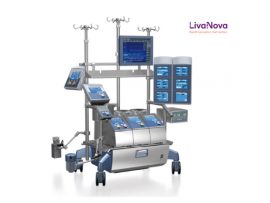

Abstract Background: During Cardiopulmonary Bypass (CPB) gaseous micro-emboli (GMEs) decrease the quality of the blood flow and the capillary oxygen delivery, increasing the incidence of postoperative neurocognitive disorders (POCD) following cardiac..
Read More
Abstract In this study, we have evaluated and examined various nursing effects of improved administration of protamine sulfate neutralizing heparin after cardiopulmonary bypass. For this purpose, retrospective analysis was made..
Read More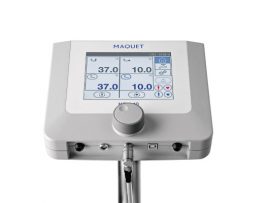
Abstract Hypothermic circulatory arrest (HCA) is an essential procedure during aortic surgery to protect organs; however, hypothermia is believed to cause coagulopathy, which is a major fatal complication. This study..
Read More
Abstract Importance In cardiac surgery, albumin solution may maintain hemodynamics better than crystalloids and reduce the decrease in platelet count and excessive fluid balance, but randomized trials are needed to compare..
Read More
Abstract Introduction The superiority of pulsatile or non-pulsatile perfusion in cardiopulmonary bypass (CPB) regarding morbidity and mortality is still debated. Therefore, we aimed to investigate the effect of different pulse..
Read More
Abstract Introduction: Despite advances in surgical, anesthetic, perfusion, and postoperative care, adverse neurological consequences may occur following cardiac surgery and cardiopulmonary bypass (CPB). Consequences of the physiologic effects of CPB may..
Read More
Abstract The objective of this study was to assess the diagnostic value of plasma neutrophil gelatinase-associated lipocalin (pNGAL) for the early diagnosis of acute kidney injury (AKI) in adult patients..
Read More
Abstract Objective The study aims were to evaluate current blood transfusion practice in cardiac surgical patients and to explore associations between preoperative anemia, body mass index (BMI), red blood cell..
Read More
Abstract Background Coronary artery bypass grafting (CABG) without cardiopulmonary bypass and minimal or no aortic manipulation may be associated with a lower risk of neurological complications. We investigated this issue in patients with a..
Read More
Abstract Background Cardiac surgery studies have established the clinical relevance of personalised arterial blood pressure management based on cerebral autoregulation. However, variabilities exist in autoregulation evaluation. We compared the association..
Read More
Abstract Introduction During cardiopulmonary bypass (CPB), supranormal concentrations of oxygen are routinely administered with the intention to prevent cellular hypoxia. However, hyperoxemia may have adverse effects on patient outcome. Oxygen..
Read More
Abstract Particulate and gaseous microemboli (GME) are side effects of cardiac surgery that interfere with postoperative recovery by causing endothelial dysfunction and vascular blockages. GME sources during surgery are multiple,..
Read More
Abstract Factor XII (FXII) deficiency is a congenital disorder inherited as an autosomal recessive condition. In his heterozygous form, it is relatively common in the general population. However, a total..
Read More
Abstract Objective Cardiopulmonary bypass (CPB) is a requisite for correction of congenital heart disease by open-heart surgery and induces a systemic inflammatory response that can lead to complications such as..
Read More
Abstract Importance Post–cardiopulmonary bypass (CPB) coagulopathy and bleeding are among the most common reasons for blood product transfusion in surgical practices. Current retrospective data suggest lower transfusion rates and blood loss..
Read More
Abstract Purpose: To evaluate if preoperative assessment with A Quick Test of Cognitive Speed (AQT) could increase the accuracy of predicting delirium after cardiac surgery compared to Mini-Mental State Examination (MMSE),..
Read More
Abstract Systemic is necessary before (CPB) in cardiac surgery, and administration to neutralize heparin for is required at the end of CPB. Because protamine is an allogeneic protein extracted from the sperm of specific..
Read More
Abstract Introduction Trendelenburg position (TP) is used to transport gaseous emboli away from the cerebral region during cardiac surgery. However, TP effectiveness has not been fully considered when combined with..
Read More
Abstract Introduction Carbon dioxide production (VCO2i), oxygen consumption and oxygen delivery can be monitored during cardiopulmonary bypass (CPB) as markers for tissue perfusion. This study examines if inline venous pCO2..
Read More
Abstract Introduction Varying the insertion depth of the aortic cannula during cardiopulmonary bypass (CPB) has been investigated as a strategy to mitigate cerebral emboli, yet its effectiveness associated with CPB..
Read More
Abstract Air emboli are reported to enter the cardiovascular system during cardiac surgery despite air-bubble filters in the arterial line of the cardiopulmonary bypass (CPB). A potential association with stroke,..
Read More
Abstract BACKGROUND: Viscoelastic tests (VETs) are recommended during cardiac surgery to monitor coagulation status and guide transfusion. We compared the results of two VETs, the Sonoclot Analyzer and the ROTEM..
Read More
Abstract Purpose: The goal of this investigation was to examine the influence of two oxygenators with different membranes, made of either polypropylene (PPL) or polymethylpentane (PMP), on the plasma concentration of..
Read More
Abstract Two equations have been developed from multi-frequency measurements of blood impedance Zb for a simultaneous electrical online estimation of changes in blood hematocrit ΔH [%] and temperatures ΔT [K] in cardiopulmonary bypass (CPB). Zb of fixed blood..
Read More
Abstract Objective The authors’ objective was to determine the adequacy of an institutional standard dosing practice for infection prophylaxis in open cardiac surgery in patients heavier than 120 kg undergoing..
Read More
Abstract Objective To review studies that assessed systemic hypothermia as an organ protection strategy in adults undergoing cardiac surgery with cardiopulmonary bypass. Design A systematic review and meta-analysis. Setting and..
Read More
Abstract Several pieces of evidence suggest that volatile anesthetics (VAs), which were originally used as sedatives, have myocardial protective effects against cardiac ischemia–reperfusion injury. In Europe and the United States,..
Read More
Abstract OBJECTIVES The aim of this study was to evaluate if a ‘protective’ (low-tidal/low-frequency) ventilation strategy can shorten the postoperative ventilation time and minimize acute lung injury in children..
Read More
Abstract Significant progress has been made in neonatal cardiopulmonary bypass (CPB) over the years. At Penn State Health Children’s Hospital, we have established a multidisciplinary research team that brings clinicians,..
Read More
Abstract Objective To describe the current nationwide perspectives and practice regarding intraoperative oxygen titration in cardiac surgery. Design Prospective, observational survey. Setting Hospitals across the United States. Participants Cardiovascular anesthesiologists..
Read More