

The Nephroprotective Effect of Nitric Oxide during Extracorporeal Circulation: An Experimental Study
Abstract This study aims to determine the effectiveness of administering 80 ppm nitric oxide in reducing kidney injury, mitochondrial dysfunction and regulated cell death in kidneys during experimental perfusion. Twenty-four..
Read More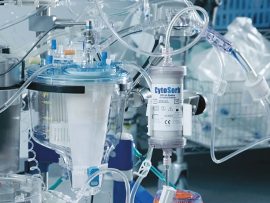
Abstract The usage of cardiopulmonary bypass (CPB) in cardiothoracic surgery contributes to the activation of the inflammatory response. In certain cases, the systemic inflammatory response may be immoderate, leading to..
Read More
Abstract Introduction The trial hypothesized that minimally invasive extra-corporeal circulation (MiECC) reduces the risk of serious adverse events (SAEs) after cardiac surgery operations requiring extra-corporeal circulation without circulatory arrest. Methods..
Read More
Abstract Objectives The FUWAI-SAVE system is a modified low-priming cardiopulmonary bypass (CPB) system. The study aimed to explore whether the FUWAI-SAVE system can reduce the perioperative blood transfusion and its..
Read More
Abstract Effect of Cardiopulmonary bypass on Lungs: organ damage during cardiac surgery has been primarily attributed to the use of CPB. Pulmonary function in patients after CPB is consistently altered..
Read More
Abstract Cardiopulmonary bypass (CPB) can alter pharmacokinetic (PK) parameters and the drug may adsorb to the CPB device, altering exposure. Cefazolin is a beta-lactam antibiotic used for antimicrobial prophylaxis during..
Read More
Abstract OBJECTIVES Postoperative organ dysfunction is common after cardiac surgery, particularly when cardiopulmonary bypass (CPB) is used. The Sequential Organ Failure Assessment (SOFA) score is validated to predict morbidity and..
Read More
Abstract Introduction The study objective was to investigate whether a Ringer’s acetate based priming solution with addition of Mannitol and sodium concentrate increases the risk of cardiac surgery associated kidney..
Read More
Abstract Background One of the main goals of cardiopulmonary bypass (CPB) is targeting an adequate mean arterial pressure (MAP) during heart surgery, in order to maintain appropriate perfusion pressures in..
Read More
Levels of Circulating Ketone Bodies in Patients Undergoing Cardiac Surgery on Cardiopulmonary Bypass
Abstract Ketone bodies (KBs) are energy-efficient substrates utilized by the heart depending on its metabolic demand and substrate availability. Levels of circulating KBs have been shown to be elevated in..
Read More
Abstract OBJECTIVES Intestinal ischaemia–reperfusion injury induced by cardiopulmonary bypass causes intestinal epithelial barrier dysfunction, leading to dysbiosis and bacterial translocation. We conducted a randomized prospective study with 2 objectives: (i)..
Read More
Abstract Background: In lung transplantation surgery, extracorporeal life support (ECLS) is essential for safety. Various support methods, including cardiopulmonary bypass (CPB) and off-pump techniques, are used, with extracorporeal membrane oxygenation (ECMO)..
Read More
Abstract Background Reduced oxygen delivery (DO2) during cardiopulmonary bypass (CPB) was proposed as a risk factor for the development of postoperative neurological complications (PONCs), including cerebrovascular accidents (CVA), delirium, and..
Read More
Abstract Background Primary malignant cardiac tumors are rare in clinic, and surgical resection under cardiopulmonary bypass (CPB) remains the main treatment. The non-physiological perfusion process of CPB leads to contact activation,..
Read More
Abstract Cardiopulmonary bypass (CPB) is a common technique in cardiac surgery but is associated with acute kidney injury (AKI), which carries considerable morbidity and mortality. In this review, we explore..
Read More
Abstract Background Cardiac surgery triggers a strong inflammatory reaction, which carries significant clinical consequences. Corticosteroids have been suggested as a potential perioperative strategy to reduce inflammation and help prevent postoperative..
Read More
Abstract Introduction Retrograde Autologous Priming (RAP) of cardiopulmonary bypass (CPB) circuits is an effective way to reduce prime volume, commonly through the transfer of prime into separate reservoirs or circuit..
Read More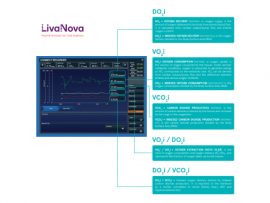
Abstract Purpose: Goal-directed perfusion (GDP) refers to individualized goal-directed therapy using comprehensive monitoring and optimizing the delivery of oxygen during cardiopulmonary bypass (CPB). This study aims to determine whether the intraoperative..
Read More
Abstract We tested whether the brain and kidney respond differently to cardiopulmonary bypass (CPB) and to changes in perfusion conditions during CPB. Therefore, in ovine CPB, we assessed regional cerebral..
Read More
Abstract Nowadays, the necessity of having a cardioplegia circuit capable of being adapted in order to administer different types of cardioplegia is strategically fundamental, both for the perfusionist and for..
Read More
Abstract Introduction Targeted temperature management (TTM) is considered to be a neuroprotective strategy during cardiopulmonary bypass (CPB) assisted procedures, possibly through the activation of cold shock proteins. We therefore investigated..
Read More
Abstract Background The utilization of extracorporeal life support (ECLS) for intraoperative support during lung transplantation has increased over the past decade. Although veno-arterial extracorporeal membrane oxygenation (VA-ECMO) has recently emerged..
Read More
Abstract OBJECTIVE: To evaluate the efficacy of electroacupuncture (EA) intervention on myocardial protection and postoperative rehabilitation in patients undergoing cardiac surgery with cardiopulmonary bypass (CPB). METHODS: Eight databases, including PubMed,..
Read More
Abstract Background Unfractionated heparin (UFH) is commonly used during cardiac surgery with a cardiopulmonary bypass to prevent blood clotting. However, empirical administration of UFH leads to variable responses. Pharmacokinetic and..
Read More
Abstract Background Modifiable and non-modifiable factors contribute to development and progression of acute kidney injury (AKI) during cardiac surgery. We hypothesized that, the difference between preoperative mean arterial pressure (MAP)..
Read More
Abstract Cardiopulmonary bypass (CPB) causes systemic inflammation and endothelial glycocalyx damage. Hydrogen has anti-oxidant and anti-inflammatory properties; therefore, we hypothesized that hydrogen would alleviate endothelial glycocalyx damage caused by CPB...
Read More
Abstract BACKGROUND: Challenging separation from cardiopulmonary bypass (CPB) has been associated with multiple medical adversities, while its incidence, associated factors, and prognosis among cardiac surgery populations are substantially understudied. METHODS:..
Read More
Abstract We present a case of a 37-year-old woman diagnosed with Parkes-Weber syndrome characterized by high-flow arterio-venous malformations of the pelvic region with an estimated cardiac output of 7.2–8.5 l/min. Due..
Read More
Abstract Background Cardiopulmonary bypass (CPB) can lead to lung injury and even acute respiratory distress syndrome (ARDS) through triggering systemic inflammatory response. The objective of this study was to investigate..
Read More
Abstract Objective During cardiopulmonary bypass (CPB), gaseous microemboli (GME) that originate from the extracorporeal circuit are released into the arterial blood stream of the patient. Gaseous microemboli may contribute to..
Read More