


Abstract Objective Extracorporeal membrane oxygenation (ECMO) has recently replaced cardiopulmonary bypass (CPB) as the preferred option for providing circulatory support during lung transplantation. This review aimed to summarize the previous..
Read More
Study Questions: What are the differences in outcomes between a strategy of staged repair (SR) (initial palliation [IP] and subsequent complete repair [CR]) as compared with primary repair (PR)..
Read More
Abstract Treating cardiac injuries following blunt trauma to the chest requires thorough examination, accurate diagnosis, and therapeutic plan. We present two cases; pulmonary vein rupture and left atrial appendage laceration,..
Read More
Abstract Introduction: Cardiopulmonary bypass (CPB) is associated with hyperlactatemia, which leads to adverse clinical outcomes. No study has examined the effect of different clamping techniques on postoperative hyperlactatemia (PHL). Thus,..
Read More
Abstract Factor XII (FXII) deficiency presents as a prolonged activated partial thromboplastin time (aPTT) but is not associated with clinically significant bleeding. Activated clotting time (ACT) is used routinely to..
Read More
Abstract Objective: The COVID-19 pandemic requires thinking about alternatives to establish ECMO when often-limited hardware resources are exhausted. Heart-lung-machines may potentially be used for ECMO but contain roller pumps as..
Read More
Abstract Temperature management is an essential element of cardiopulmonary bypass (CPB), as indicated in the Guide to Good Practice in Clinical Perfusion, ‘The safe conduct of CPB requires the clinical..
Read More
Abstract Introduction: Coagulopathy after cardiac surgery is a serious multifactorial complication that results in postoperative bleeding requiring transfusion of red blood cells and procoagulant products. Use of cardiopulmonary bypass represents..
Read More
Abstract Introduction: Despite low mortality, cardiac surgery patients may experience serious life-threatening post-operative complications, often due to extracorporeal circulation and reperfusion. Miniaturised cardiopulmonary bypass (minimally invasive extracorporeal circulation) has been..
Read More
Abstract Objective: To investigate whether the miniaturized cardiopulmonary bypass (CPB) system decreased the usage of ultrafiltration (UF), and to explore whether the non-UF with miniaturized CPB strategy could get..
Read More
Abstract Cardiac surgery with cardiopulmonary bypass is associated with systemic inflammatory response. In some cases this clinical condition is characterized by severe hypotension due to low systemic vascular resistance during..
Read More
Abstract Background: Inflammation plays a significant role in the pathogenesis of many diseases as well as postoperative acute renal failure (ARF). Preoperative neutrophil to lymphocyte ratio (NLR) values have a..
Read More
Abstract Cardiopulmonary bypass (CPB) results in short-term (3–5 h) exposure to flow with diminished pulsatility often referred to as “continuous flow”. It is unclear if short-term exposure to continuous flow..
Read More
Abstract Cardiac surgery with cardiopulmonary bypass (CPB) induces an acute inflammatory response that may lead to a systemic inflammatory response syndrome. The interest in procalcitonin (PCT) in the diagnosis of..
Read More
Abstract Background Autophagy is an integral component of cellular and metabolism. The exact mechanism of impaired autophagy in diabetes mellitus is unknown. Forkhead Box O3 (FOXO3α) is a key regulator of..
Read More
Abstract Background: Monitoring oxygen delivery to the oxygenator of a heart lung machine (HLM) is typically accomplished with an O2 analyzer connected to the gas inflow line. It is assumed when..
Read More
Abstract Objective: To provide a brief review of the development of cardiopulmonary bypass. Methods: A review of the literature on the development of extracorporeal circulation techniques, their essential role in..
Read More
Abstract OBJECTIVES Cerebral injury is a complication of surgery with deep hypothermic circulatory arrest (DHCA). This study aimed to evaluate diffusion-weighted imaging (DWI) for the early detection of brain injury..
Read More
Abstract Background. Hyperoxia has long been perceived as a desirable or at least an inevitable part of cardiopulmonary bypass. Recent evidence suggest that it might have multiple detrimental effects on..
Read More
Abstract OBJECTIVES Following paediatric cardiac surgery with cardiopulmonary bypass (CPB), there is a tendency for fluid accumulation. The colloid osmotic pressure of plasma (COPp) and interstitial fluid (COPi) are determinants..
Read More
Abstract Background There is no consensus on which lung-protective strategies should be used in cardiac surgery patients. Sparse and small randomized clinical and animal trials suggest that maintaining mechanical ventilation..
Read More
Abstract Background: From 1990-2005 at Ochsner Medical Center in New Orleans, LA, cardiopulmonary bypass (CPB) was used only when necessary during lung transplantation surgeries. Ochsner's lung transplant program was closed..
Read More
Abstract Background: Cardiopulmonary bypass (CPB) is necessary for most cardiac surgery, which may lead to postoperative lung injury. The objective of this paper is to systematically evaluate whether ventilation during..
Read More
Abstract Objective. The purpose of this study is to determine the changes in oxidative damage and antioxidant parameters in open heart surgeries with cardiopulmonary bypass (CPB) in preoperative and early..
Read More
Abstract Objectives Pulmonary dysfunction is a recognized postoperative complication that may be linked to use of cardiopulmonary bypass. The off-pump technique of coronary artery bypass aims to avoid some of..
Read More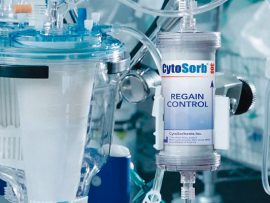
Abstract Background On-pump cardiac surgery triggers a significant postoperative systemic inflammatory response, sometimes resulting in multiple-organ dysfunction associated with poor clinical outcome. Extracorporeal cytokine elimination with a novel haemoadsorption (HA)..
Read More
Abstract Introduction: Cardiopulmonary bypass (CPB) can cause stress response that increases levels of cytokine and catecholamine in plasma, resulting in hyperglycemia. In adults, it has been demonstrated that remifentanil infusion..
Read More
Abstract Background Coagulopathy is a major problem in surgery for cyanotic congenital heart disease. Tranexamic acid has been used both topically and systemically and plays a vital role in pediatric..
Read More
Abstract The protective effects of preprocedural esmolol on myocardial injury and hemodynamics have not, to date, been investigated in patients who were scheduled for cardiac surgeries under a cardiopulmonary bypass..
Read More
Abstract OBJECTIVE: Atrial fibrillation and neurocognitive decline are common complications after cardiopulmonary bypass. By utilizing genomic microarrays we investigate whether gene expression is associated with postoperative atrial fibrillation and neurocognitive..
Read More