
Risk prediction for thoracic aortic dissection: Is it time to go with the flow?

Abstract
The identification of individuals at risk for acute aortic disease, by virtue of its silent pathogenesis, is vital for patient outcome. However, ineffective screening methods hamper the efforts of patient identification, mostly due to the lower prevalence of thoracic aortic disease (relative to other cardiovascular conditions) and the lack of widely available clinical methods to assess physiological function—the aorta does not lend itself easily to functional assessment. Unlike the heart (for which motion is concordant with disease severity), which allows for accurate measurements of stress/strain, thickness, and all the numerical derivatives of these functions, the expansion and recoil of the aortic wall is small, and measurements of wall thickness are inaccurate with current imaging modalities.
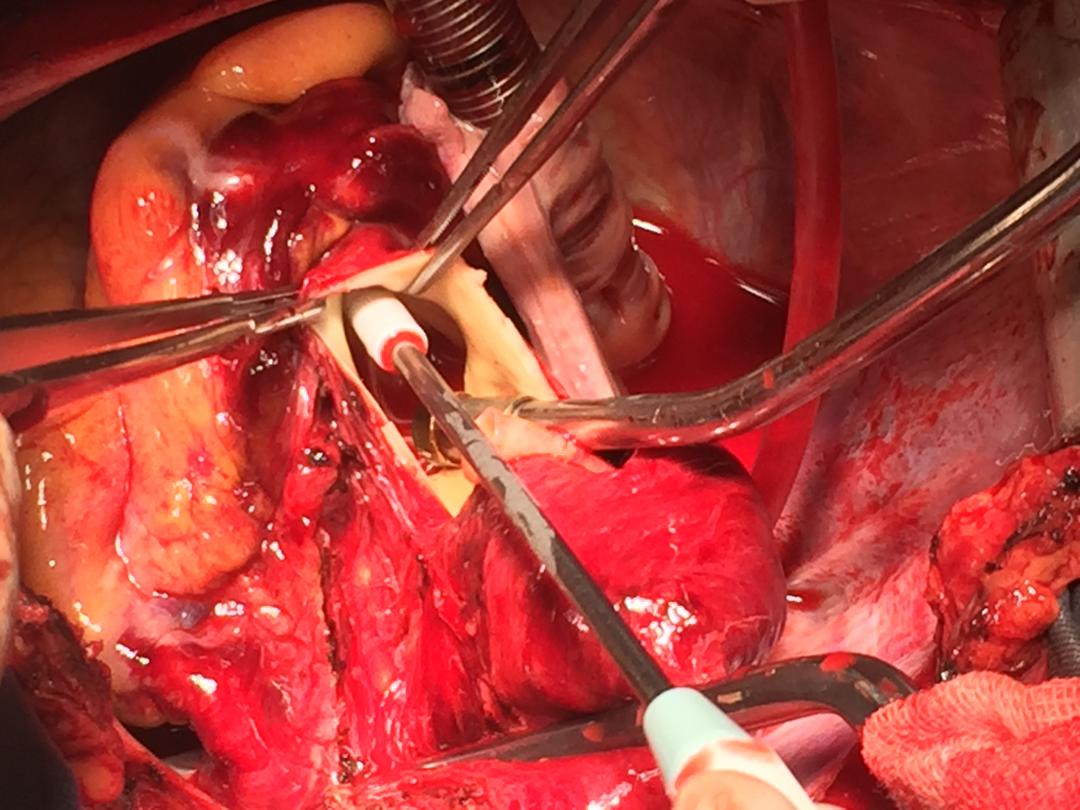
The primary mechanism of thoracic aortic dissection is mechanical material failure. More specifically, acute aortic dissection occurs where the stress created by the hemodynamic flow supersedes the strength of the aortic wall at an instantaneous time point.