


Abstract Objective The aim of this study is to evaluate the effectiveness of lean six sigma management in optimizing the emergency extracorporeal cardiopulmonary resuscitation (ECPR) rescue process. Methods The existing..
Read More
Innovations in Risk Assessment, Monitoring, and Management in Cardiothoracic and Vascular Anesthesia
Abstract As the perioperative care in cardiothoracic and vascular anesthesia continues to evolve, more emphasis is being placed on developing innovative methods for risk assessment and early detection of operative..
Read More
Abstract Background Extracorporeal membrane oxygenation (ECMO) is a life-saving treatment, but carries a high risk of complications such as acute kidney injury (AKI). A contributor to AKI is hemolysis, which..
Read More
Abstract Background Surgical outcomes are worse in people with diabetes, in part, because of the effects of hyperglycaemia, obesity and other comorbidities. Two important uncertainties in the management of people..
Read More
Abstract (TXA) has emerged as a cornerstone in blood conservation strategies for cardiac surgery. This comprehensive review synthesizes current evidence on TXA's efficacy, safety, and optimal use in various cardiac..
Read More
Abstract Background: The gold standard for treatment of patients with end-stage heart failure remains . Time spent on the active waiting list, notably for patients, contributes to alarmingly high mortality. Donation after..
Read More
Abstract Background The optimal transfusion threshold for patients undergoing venoarterial extracorporeal membrane oxygenation (VA-ECMO) remains uncertain. Methods We used data from OBLEX (ClinicalTrials.gov: NCT03714048), an international, prospective, observational study conducted..
Read More
Abstract Objectives Cardiac surgery-associated acute kidney injury (CSA-AKI) is a frequent and important complication often attributed to decreased kidney blood flow. Ultrasound measurement of renal has been associated with adverse cardiac..
Read More
Abstract Endoplasmic reticulum (ER)-mitochondrial (ER-Mito) interface, termed mitochondrial-ER contacts (MERCs), plays significant roles in the maintenance of bioenergetics and basal cell functions via the exchange of lipids, Ca2+, and reactive..
Read More
Abstract Objective To describe cardiac arrest during anesthesia care provided by a pediatric cardiac anesthesiologist in patients with congenital heart disease and identify predictors of outcome. Design Retrospective chart review...
Read More
Abstract Extracorporeal cardiopulmonary resuscitation (ECPR) is an established intervention for select patients experiencing refractory cardiac arrest. Among modifiable predictors of survival and neurologic recovery during ECPR implementation, timely restoration of..
Read More
Abstract The advancement of has introduced a new dimension to managing patients who do not respond to conventional treatment of severe . (ECMO) is a specialized temporary life support that serves as a..
Read More
Abstract Background Delirium is a common postoperative complication in patients undergoing cardiac surgery and is associated with prolonged hospitalization and persistent cognitive impairment. This study aimed to assess the predictive..
Read More
Abstract Objectives To determine whether heparin resistance (HR) occurring during (CPB) is associated with (antithrombin III) activity. Design Retrospective review of data collected prospectively in a single center. Setting A tertiary referral..
Read More
Abstract Introduction Cardiac surgery with cardiopulmonary bypass (CPB) often induces systemic inflammatory reaction syndrome (SIRS), affecting postoperative outcome. We aimed to explore adaptive/maladaptive inflammation using unsupervised machine learning. Methods We..
Read More
Abstract Background Amniotic fluid embolism is a rare potential complication in the peripartum period. Case Summary A 27-year-old nulliparous woman presented for elective induction at 41 weeks' gestation. Due to..
Read More
Abstract Cardiopulmonary bypass serves as a cornerstone in cardiac surgery, enabling life-sustaining circulatory and respiratory support during complex procedures that necessitate the temporary cessation of cardiac activity. This intricate process..
Read More
Abstract Purpose Extracorporeal cardiopulmonary resuscitation (ECPR) is an advanced resuscitation therapy for cardiopulmonary arrest refractory to standard CPR. ECPR treatment recommendations are not supported by strong evidence, and institutional criteria..
Read More
Abstract Objectives To describe the associations between perioperative blood pressures and clinical postoperative outcomes, and to investigate if these associations depend on the preoperative resting and nadir nighttime blood pressures...
Read More
Abstract Purpose To assess whether prone positioning (PP) increases bleeding risk compared to supine positioning in ARDS patients undergoing veno venous Extracorporeal Membrane Oxygenation (VV ECMO). Materials and Methods A..
Read More
Abstract Background Acute normovolemic hemodilution (ANH) and retrograde autologous priming (RAP) are blood conservation techniques designed to reduce transfusion requirements. Purpose This study evaluated the impact of combining ANH and..
Read More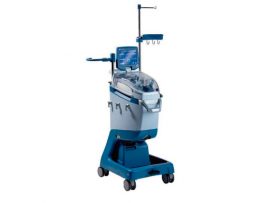
Abstract Background Intraoperative blood salvage can reduce the need for allogeneic blood transfusions, minimizing immunological risks and infection by reusing the patient's own blood. However, in cancer surgery, a key..
Read More
Abstract We read the interesting work of Romero‑Garcia and colleagues on the association between partial pressure of O2 in arterial blood (PaO2) and neurological outcomes in a context of acute brain..
Read More
Abstract Extracorporeal cardiopulmonary resuscitation (ECPR) for refractory cardiac arrest is increasing in usage, but risk factors for seizures are largely unknown. We included adult ECPR patients in the Extracorporeal Life..
Read More
Abstract This study aimed to assess whether the proinflammatory markers procalcitonin (PCT), C-reactive protein (CRP), or interleukin 6 (IL-6) are associated with mortality in neonates with congenital diaphragmatic hernia (CDH)..
Read More
Abstract Venovenous extracorporeal membrane oxygenation (VV ECMO) relies on effective blood drainage, and cannula design plays a crucial role in optimizing blood oxygenation. Recirculation, where oxygenated blood returns to the..
Read More
Abstract Extracorporeal membrane oxygenation (ECMO) is a fundamental treatment for cardiovascular and severe pulmonary diseases, with small animal models providing critical insights into organ protection during cardiopulmonary bypass and ECMO..
Read More
Abstract Extracorporeal membrane oxygenation (ECMO) is a mechanical circulatory and respiratory support system that facilitates gas exchange and hemodynamic stabilization through an external circuit. ECMO has been increasingly utilized for..
Read More
Abstract Objectives: We examined data from the International Registry of the Extracorporeal Life Support Organization to identify risk factors for mortality in pregnant and peripartum patients receiving extracorporeal membrane oxygenation...
Read More
Abstract Lower limb malperfusion for type A acute aortic dissection (ATAAD) is a challenging complication, particularly when it occurs suddenly during the operation. We report a 76‐year‐old female with ATAAD..
Read More