


Abstract Heparin-induced thrombocytopenia type II (HIT) is a rare but potentially fatal antibody-mediated reaction to all forms of heparin (unfractionated heparin, low-molecular weight heparin, heparin flushes, and heparin-coated catheters), which..
Read More
Abstract Waldenström’s macroglobulinemia (WM) manifests as hyperviscosity syndrome. Cryoglobulinemia, which may increase blood viscosity or induce thrombosis in association with decreased body temperature, can occur in combination with WM. We..
Read More
Abstract Objectives: To describe donors after brain death with ongoing extracorporeal membrane oxygenation and to analyze the outcome of organs transplanted from these donors. Design: Retrospective analysis of the national..
Read More
Extracorporeal life support (ECLS), commonly referred to as extracorporeal membrane oxygenation (ECMO), is a modified form of cardiopulmonary bypass. Venous blood is drained from the patient and advanced to a..
Read More
Abstract Objectives To determine the optimal vancomycin dosing regimen to achieve empirical goal trough concentrations in pediatric patients with congenital heart disease and to examine the impact of cardiopulmonary bypass..
Read More
Abstract Though historically the development of cardiovascular perfusion grew out of the need for cardiopulmonary bypass, the application of technologies of extracorporeal support has more recently expanded beyond the traditional..
Read More
Abstract We present a case series of seven patients with suspected cold agglutinin antibodies, discovered after initiation of bypass. Laboratory analysis of blood samples intraoperatively determined the cause of the..
Read More
Abstract Objective To determine the impact of different strategies on the incidence of cerebral embolic events during (CABG). Methods Between 2012 and 2015, 142 patients with low-grade (epiaortic ultrasound grade I/II) undergoing primary..
Read More
Abstract Backgroud Unilateral and bilateral antegrade (ACP) are recognized methods of cerebral protection in . However, the adequacy of cerebral protection in aortic arch surgery with is controversial. In this study, we compared..
Read More
Abstract The aim was to evaluate the efficacy and safety of volatile anaesthetic for postoperative sedation in adult cardiac surgery patients through a systematic review and meta-analysis. We retrieved randomized..
Read More
Abstract OBJECTIVES: Information is lacking about long-term survival and quality of life (QOL) after treating patients on extracorporeal life support. METHODS: Outcome data were assessed by phone interviews, a QOL..
Read More
Abstract Rationale Pneumonia remains the most common major infection after cardiac surgery despite numerous preventive measures. Objectives To prospectively examine the timing, pathogens, and risk factors, including modifiable management practices,..
Read More
Abstract Objective There are few data on the role of in patients with end-stage heart failure supported by mechanical . The aim of our study was to investigate predictors for in patients with..
Read More
Abstract Background Data are sparse on long-term mortality after coronary artery bypass graft (CABG) surgery. We examined short-term and long-term mortality of patients undergoing CABG surgery and a general population..
Read More
Abstract Quality problem or issue The traditional variable life-adjusted display (VLAD) is a graphical display of the difference between expected and actual cumulative deaths. The VLAD assumes binary outcomes: death..
Read More
Abstract At the time of writing this editorial, I have been in health care for exactly 45 years. These years have taken me through many challenging settings, including intensive cares,..
Read More
Abstract Static cold storage is accompanied with a partial safe ischemic interval for donor hearts. In this current study, a machine perfusion system was built to provide a better preservation..
Read More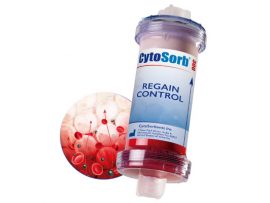
This report describes the case of a 63-year-old female patient, who was admitted to the Intensive Care Unit with the diagnosis of septic shock. [pdf-embedder url="https://perfusfind.com/wp-content/uploads/2021/03/caso-semana-cyto_compressed.pdf" title="caso semana cyto_compressed"]
Read More
Abstract OBJECTIVES The aim of this study was to assess the safety and effectiveness of our selective antegrade brain perfusion (SABP) strategy, which is characterized by moderate hypothermic and low-pressure..
Read More
Abstract OBJECTIVES: Combined coronary artery bypass grafting and valve surgery requires a prolonged period of cardioplegic arrest (CA) predisposing to myocardial injury and postoperative cardiac-specific complications. The aim of this..
Read More
Guidelines for the management of pre-operative paediatric clear fluid fasting historically recommend a minimum of 2 h. In particular, the published guideline from European Society of Anaesthesiology (ESA) in 2011,..
Read More
The purpose of this guideline is to present evidence-based and consensus-based recommendations for the prevention and treatment of postoperative delirium. The cornerstones of the guideline are the preoperative identification and..
Read More
Abstract Introduction: Pulmonary endarterectomy (PEA) is the most effective treatment available for chronic thromboembolic pulmonary hypertension (CTEPH). Patient selection, surgical technique and perioperative management have improved patient outcomes, which are..
Read More
Abstract Introduction: The use of cardiopulmonary bypass is associated with a risk of neurocognitive deficit caused by gaseous microemboli. Flushing the empty bypass circuit with carbon dioxide, which is more..
Read More
Abstract Extracorporeal membrane oxygenation (ECMO) is a life support system that circulates the blood through an oxygenating system to temporarily (days to months) support heart or lung function during cardiopulmonary..
Read More
Abstract Objective To evaluate the current practice of perioperative fluid management in cardiac surgery patients. Design Multiple choice survey with 26 questions about existing practice of perioperative fluid management in..
Read More
Abstract Objective has been associated with both and in studies based on (TEG). Severe hemodilution during (CPB) is a risk factor for morbidity in cardiac surgery. This study investigated the effects of different degrees..
Read More
Abstract We describe our experience of 30 consecutive children supported with ECMO and receiving 20 ppm of nitric oxide in the oxygenator of the ECMO circuit. Administration of nitric oxide..
Read More
Abstract Objective (POD) is a common complication after cardiac surgery and is associated with increased patient morbidity and mortality. The objective of this study was to identify risk factors for..
Read More