


Abstract Background Gas embolism (GE) occurs when gas enters into the circulation. Whilst small quantities of gas may be harmless, massive, or systemic GE may be life-threatening, when associated with..
Read More
Abstract Background Data on the outcome of veno-arterial extracorporeal membrane oxygenation (V-A-ECMO) support as a bridge to replacement therapies are scarce. Objectives We investigated the outcome of V-A-ECMO support after..
Read More
Abstract Background: Rhabdomyolysis is a pathological process that results from the breakdown of skeletal muscle fibers, leading to the release of intracellular contents such as myoglobin, creatine kinase, potassium, and phosphate..
Read More
Abstract Objectives Los Angeles County initiated an extracorporeal cardiopulmonary resuscitation (eCPR) program to transport patients with refractory shockable out-of-hospital cardiac arrest (OHCA) to dedicated eCPR-capable centers (ECCs). The impact of..
Read More
Abstract For many tertiary care hospitals, not offering extracorporeal membrane oxygenation (ECMO) is increasingly difficult to justify. Choosing not to offer ECMO means patients who could survive are instead transferred,..
Read More
Abstract Introduction Adverse neurological complications, including postoperative delirium (POD) and stroke, remain one of the major risks after cardiac surgery. A lack of comprehensive knowledge about their causes and neuroprotective strategies..
Read More
Abstract While extracorporeal membrane oxygenation (ECMO) case volume continues to increase [, ], management of patients receiving ECMO remains technically challenging [, ]. Iatrogenic injury is a potential contributor to complications and..
Read More
Evolving Concepts in Anticoagulation for VV-ECMO, VA-ECMO, and ECPR Moderator: Peter Schellongowski Speakers and Schedule: Anticoagulation and antiplatelets in VA ECMO Christophe Vandenbriele (London/United Kingdom) Anticoagulation and antiplatelets in..
Read More
Abstract Extracorporeal cardiopulmonary resuscitation (ECPR) offers a life-saving option for select patients with refractory cardiac arrest, yet a substantial proportion suffer devastating neurological injury and die despite extracorporeal support. In..
Read More
Abstract Purpose Pediatric patients undergoing cardiac surgery are at risk of developing postoperative acute kidney injury (AKI). We hypothesized that a reduction in intraoperative renal (SrO2) or cerebral (ScO2) tissue..
Read More
Abstract Background Extracorporeal Life Support (ECLS) services are characterised by variability in resource availability, specific expertise, device management and team organisation, especially regarding the role of perfusionists. This international survey..
Read More
Abstract Background We implemented a preoperative screening brain magnetic resonance imaging (MRI) protocol for neonates undergoing cardiac surgery. The intent was to identify unrecognized central nervous system (CNS) injury that..
Read More
Early colonoscopy for detection of colon ischemia after extracorporeal cardiopulmonary resuscitation
Abstract Dear Editor, Extracorporeal cardiopulmonary resuscitation (ECPR) refers to the initiation of venoarterial extracorporeal membrane oxygenation (VA ECMO) during cardiac arrest to restore systemic perfusion with oxygenated blood []. Prolonged..
Read More
Abstract Cerebrovascular autoregulation maintains stable cerebral blood flow by counteracting slow changes in cerebral perfusion pressure (termed “slow waves”). Conventional assessment involves invasive techniques using intracranial pressure (ICP) or technically..
Read More
Abstract Background We have demonstrated cardioprotection by the adenosine triphosphate–sensitive potassium (KATP) channel opener diazoxide in multiple animal models in an effort to reduce myocardial stunning following cardiac surgery. These..
Read More
Abstract Extracorporeal membrane oxygenation (ECMO) is increasingly being utilized for life-threatening cardiac and/or respiratory failure refractory to conventional treatment. Acute kidney injury (AKI) and fluid balance disorders commonly occur both..
Read More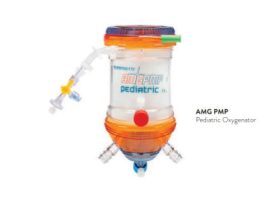
Abstract Background: Sanguineous preparation of the cardiopulmonary bypass (CPB) circuit with allogeneic blood products is known to contain substantial complement mediator burden. This study aims to assess the longitudinal immunologic impacts..
Read More
Abstract Background Despite advances in cardiopulmonary resuscitation (CPR), survival after out-of-hospital cardiac arrest (OHCA) remains low. Use of veno-arterial extracorporeal membrane oxygenation (VA ECMO) as extracorporeal CPR (ECPR) may improve..
Read More
Abstract The role of intra-aortic balloon pump (IABP) use in optimizing patients for durable left ventricular assist device (LVAD) implantation is being reevaluated in the era of modern centrifugal, magnetically..
Read More
Abstract Objectives Postcardiopulmonary bypass bleeding is frequent and distinctive because of its associated coagulopathy. Despite diagnostic and therapeutic progress, substantial variability persists in hemostatic transfusion practices. Because transfusion of hemostatic..
Read More
Abstract Extracorporeal membrane oxygenation (ECMO) provides lifesaving support for patients with cardiopulmonary failure but poses complex ethical challenges that may generate moral distress for clinicians, patients, and families. We convened..
Read More
Abstract Importance Acute respiratory distress syndrome (ARDS) represents a frequent and serious complication after cardiovascular surgery. Although sivelestat, a specific neutrophil elastase inhibitor, has demonstrated therapeutic potential in preliminary studies, the..
Read More
Abstract Extracorporeal membrane oxygenation (ECMO) is widely used in patients with severe cardiac or respiratory failure. ECMO is resource and cost intensive and carries the potential for significant complications; therefore,..
Read More
Serum lactate is a critical biomarker in cardiac surgery, offering insights into tissue oxygenation and metabolic status. Elevated lactate levels during cardiopulmonary bypass (CPB) can indicate inadequate perfusion, hypoxia, or..
Read More
Abstract Introduction Survival after out-of-hospital cardiac arrest (OHCA) remains poor, particularly for refractory ventricular fibrillation/ventricular tachycardia (VF/VT). Extracorporeal cardiopulmonary resuscitation (ECPR) improves outcomes when delivered within 60 minutes of low-flow..
Read More
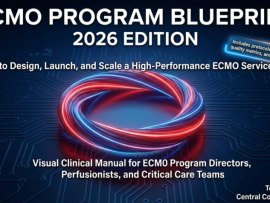
ECMO + NRP Complete Clinical Library — 2026 Edition Two field manuals covering the two most critical service lines in extracorporeal and transplant support. Built by a certified clinical..
Read More

Dr.Sam Zeraatian Nejad Davani, Cardiovascular and Transplant surgeon. Advanced Fellow of Thoracic Organs Transplantation Chicago Illinois. ..
Read More
Technical Draft and Procedural Overview Introduction Retrograde priming during TransMedics Organ Care System (OCS) Heart cardiac procurement is an advanced perfusion maneuver designed to optimize coronary de-airing, improve myocardial washout,..
Read More