


Abstract OBJECTIVES: To determine potential risk factors for severe hemolysis during pediatric cardiopulmonary bypass and examine whether supraphysiologic levels of oxygen and cardiopulmonary bypass duration are associated with hemolysis. DESIGN: ..
Read More
Abstract Over the past decades, extracorporeal membrane oxygenation (ECMO) has been utilized increasingly in severe trauma patients, and its advantages are becoming widely accepted., The article by Trivedi et al. illustrates a recent..
Read More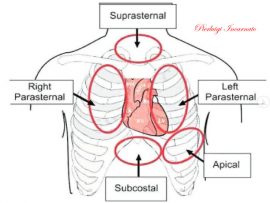
Apical thrombosis after previous acute myocardial infarction. Pierluigi Incarnato, TFCPC Cardiovascular and Abdominal Techinician Sonographer, Cardiac Physiologist at San Michele Nursing Home (Italy)
Read More
Day 1—Racial Bias in Pulse Oximetry - Wolf, Parkinson White Syndrome Tammy Sparacino, CCP and the PerfWeb team lecture and discuss: Racial Bias in Pulse Oximetry. John Ingram, CCP..
Read More
This case reports on a 12-year-old boy, who was hit by a motorcycle while riding his bicycle. The motorcycle ran over the boy’s legs causing an open wound in the..
Read More
Day 1—Preoperative Stroke Before Cardiac Surgery Does Not Increase Postoperative Stroke Tammy Sparacino, CCP and the PerfWeb team lecture on: Preoperative stroke before cardiac Surgery does not increase postoperative..
Read More
Day 1—The future of the American Board of Cardiovascular Perfusion (ABCP) Ann Guercio, CCP, President of the ABCP will discuss the future of the American Board of Cardiovascular Perfusion...
Read More
Abstract This guideline for extracorporeal membrane oxygenation (ECMO) fluid and electrolyte management for all patient populations is intended for educational use to build the knowledge of physicians and other health..
Read More
Abstract Increased plasma concentrations of circulating cell-free hemoglobin (CFH) are supposed to contribute to the multifactorial etiology of acute kidney injury (AKI). In their recent article: “The role of cell-free..
Read More
Abstract Owing to the constantly evolving nature of the medical literature, The Society of Thoracic Surgeons (STS) clinical practice guidelines periodically undergo evaluation and updating. A multidisciplinary panel of experts..
Read More
Abstract Objective Postoperative pulmonary complications (PPC) remain a main issue after cardiac surgery. The objective was to report the incidence and identify risk factors of PPC after cardiac surgery. Design..
Read More
Abstract Background Postoperative cognitive dysfunction is common after cardiac surgery. Postoperative measurements of brain injury biomarkers may identify brain damage and predict cognitive dysfunction. We describe the release patterns of..
Read More
Abstract Purpose A survival gap between weaning from venoarterial-extracorporeal membrane oxygenation (VA-ECMO) and the hospital discharge has been consistently reported. The aim of this study is to investigate the clinical..
Read More
Abstract Zafren, Ken, Raimund Lechner, Peter Paal, Hermann Brugger, Giles Peek, and Tomasz Darocha. Induced hypothermia to as cold as 3°C in humans: Forgotten cases rediscovered. High Alt Med Biol. 22:000–000, 2021...
Read More
Abstract Research question Given the relative independence of ventilator settings from gas exchange and plasticity of blood gas values during extracorporeal cardiopulmonary resuscitation (ECPR), do mechanical ventilation parameters and blood..
Read More
Abstract Importance The optimal approach to the use of venoarterial extracorporeal membrane oxygenation (ECMO) during cardiogenic shock is uncertain. Objective To determine whether early use of moderate hypothermia (33-34 °C) compared with..
Read More
Abstract Introduction Extracorporeal membrane oxygenation (ECMO)–associated hemolysis still represents a serious complication. The present study aimed to investigate those predictive factors, such as flow rates, the use of anticoagulants, and..
Read More
Abstract Purpose: This study aimed at analyzing the prevalence, mortality association, and risk factors for bleeding and thrombosis events (BTEs) among adults supported with venovenous extracorporeal membrane oxygenation (VV-ECMO). Methods:..
Read More
Abstract Massive diffuse bleeding is still a problem in cardiovascular surgery. The first line treatment is platelet concentrate transfusion, although there is still insufficient information regarding efficacy, quantity, and timing...
Read More
Abstract Right heart failure (RHF) is a common, yet difficult to manage, complication of severe acute respiratory distress syndrome requiring extracorporeal membrane oxygenation (ECMO) that is associated with increased mortality. Reports..
Read More
WHAT YOU WILL LEARN A cardiovascular perfusionist is an essential member of the cardiac surgical team who specializes in operating extracorporeal circulation equipment to support the patient during an open-heart..
Read More
Abstract Introduction Propofol infusion syndrome (PRIS) is a rare entity that could lead to profound cardiogenic shock (CS). Mitochondrial toxicity and sympathetic blockade are the mechanisms leading to CS in..
Read More
Common Congenital Cardiac Anamolies Anatomy physiology and timing of surgery Dr Dhannapuneni
Read More
- Hemoadsorption with CytoSorb as part of an individualized therapy in critically-ill patients Chair: Manu Malbrain, Leuven, Belgium and Yatin Mehta, Gurgaon, India - How to balance sepsis campaign guidelines..
Read More
Empty Beating tricuspid valve replacement in patient with previous transplantation with special thanks to our guest senior lecturer and academic consultant Dr.Hassan Hosseinzadeh from WOLLONGONG university. Dr.Sam Zeraatian Nejad Davani,..
Read More
Abstract Purpose: Extracorporeal membrane oxygenation (ECMO) has become an established therapy for severe respiratory failure in coronavirus disease 2019 (COVID-19). The added benefit of receiving ECMO in COVID-19 remains uncertain...
Read More
The ELSO Interim Guidelines for venoarterial extracorporeal membrane oxygenation (VA ECMO) is timely. I would like to raise a few points on weaning recommendations. First, the parameters detailed in Figure 11..
Read More
Abstract The Impella CP (Abiomed Inc., Danvers, MA) is widely used in cardiac catheterization laboratories for patients presenting with cardiogenic shock, but it is also known to cause significant hemolysis. The risk..
Read More
Abstract Over the past decade, the use of extracorporeal membrane oxygenation (ECMO) has increased exponentially, from approximately 30–40 patients per year in the United States 20 years ago, to over..
Read More
Patient with previous AVR and CABG with biological valve came with valve degeneration and aortic dissection Type A undergone redo operation and bental operation with composite tubular graft and reimplantation..
Read More