


Abstract Pathophysiology There are two types of HIT, depending on the absence or presence of an immune mediation. Type 1 is a non-immune-mediated direct activation of platelets by heparin that..
Read More
Abstract Background The aim of this retrospective observational study was to explore the early predictive parameters for maximum amplitude in the kaolin with heparinase (HKH) assay (MAHKH) of TEG6s Platelet Mapping..
Read More
Abstract Objectives Since 2013, heater-cooler unit (HCU) associated infections linked to a global outbreak have been described. These infections were characterised by high morbidity and mortality due to delayed diagnosis, as..
Read More
Abstract Cardiac surgery is one of the highest-risk procedures, usually involving cardiopulmonary bypass and commonly inducing endothelial injury that contributes to the development of perioperative and postoperative organ dysfunction. Substantial..
Read More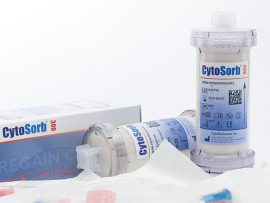
Abstract Introduction Cytokine adsorption using the CytoSorb® adsorber has been proposed in various clinical settings including sepsis, ARDS, hyperinflammatory syndromes, cardiac surgery or recovery after cardiac arrest. The aim of..
Read More
Abstract Cardiac surgery on cardiopulmonary bypass (CPB) is associated with postoperative renal dysfunction, one of the most common complications of this surgical cohort. Acute kidney injury (AKI) is associated with..
Read More
Abstract Objective: This study aimed to assess the relationship between surgeons’ leadership style and team behavior in the hybrid operating room through video coding. Secondly, possible fluctuations possible fluctuations in leadership styles and team..
Read More
Abstract The dawn of cardioprotection by infarct size reduction originated from the idea to favourably alter the oxygen demand–supply balance of the ischaemic/infarcting myocardium by reducing the contractile determinants of..
Read More
Abstract Objective: Analysis of the prevalence and risk factors for weaning failure from venovenous extracorporeal membrane oxygenation (VV-ECMO) in patients with severe acute respiratory insufficiency. Design: Single-center retrospective observational study. Setting: Sixteen beds medical ICU at the University..
Read More
Abstract OBJECTIVES: This narrative review article seeks to highlight the effects of citrate on physiology during massive transfusion of the bleeding patient. DATA SOURCES: A limited library of curated articles..
Read More
Abstract Over a million cardiac operations are performed annually. Most surgeries use cardiopulmonary bypass (CPB) to operate on a non-beating heart in a bloodless environment while maintaining systemic perfusion and..
Read More
Abstract Albumin, which is a 65-kDa liver-synthesized protein, accounts for nearly 50% of total plasma protein and contributes to approximately 80% of intravascular oncotic pressure. Albumin helps maintain microvascular integrity,..
Read More
Abstract BACKGROUND: Older patients with preoperative cognitive impairment are at risk for increased postoperative complications after noncardiac surgery. This systematic review and meta-analysis aimed to determine the association between preoperative..
Read More
Abstract Impaired cerebral autoregulation (CA) can cause negative outcomes in neurological conditions. Real-time CA monitoring can predict and thereby help prevent postoperative complications for neurosurgery patients, especially those suffering from..
Read More
Abstract The ability to provide antegrade cerebral and systemic perfusion simultaneously may negate the requirement for any prolonged period of circulatory arrest during complex aortic arch reconstruction procedures, depending on..
Read More
Abstract Background Intraoperative hypofibrinogenemia is a major factor associated with increased postoperative blood loss in adult cardiac surgery. However, previous pediatric studies on this topic did not sufficiently adjust for..
Read More
Abstract Background Postoperative acute kidney injury (AKI) in cardiac surgery patients is multifactorial and associated with low oxygen delivery (DO2) during cardiopulmonary bypass. Methods Cardiac surgical patients undergoing full cardiopulmonary..
Read More
Abstract Background: Cell-derived microparticles (MPs) as membrane vesicles are procoagulant. They play a role in surgical hemostasis. In this study, the correlations between the circulating level of cell-derived MPs and..
Read More
Abstract ABO blood group has been shown to be a major determinant of plasma von Willebrand factor (vWF) levels. O blood group is associated with the lowest vWF levels and..
Read More
Abstract Aim: In current practice, fast-track protocols are gaining importance in patients undergoing cardiac surgery. For this purpose, besides different application techniques, biomarkers are frequently examined in the peri-operative period...
Read More
Abstract Introduction Due to a national policy change in the management of unused platelet units from September 2018, there was a drastic increase in the number of platelet units wasted..
Read More
Abstract Background Bleeding and thrombosis induce major morbidity and mortality in patients under extracorporeal membrane oxygenator (ECMO). Circuit changes can be performed for oxygenation membrane thrombosis but are not recommended..
Read More
Abstract Background Selective antegrade cerebral perfusion (SACP) is adopted as an alternative to deep hypothermic circulatory arrest (DHCA) during aortic arch surgery. However, there is still no preclinical evidence to..
Read More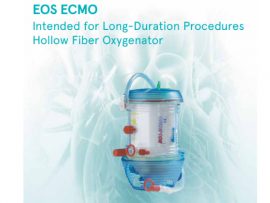
Abstract Purpose Descriptive information on referral patterns and short-term outcomes of patients with respiratory failure declined for extracorporeal membrane oxygenation (ECMO) is lacking. Methods We conducted a prospective single-centre observational..
Read More
Se abre el llamado a Concurso ingreso 2024, para el Programa de Especialidad en Perfusión y Circulación Extracorpórea, ingreso marzo y agosto 2024. Cronograma del proceso: 01 hasta el 22..
Read More
Abstract Background A surgical “Never Event” is a preventable error occurring immediately before, during or immediately following surgery. Various factors contribute to the occurrence of major Never Events, but little..
Read More
Abstract Purpose To identify requirements for implementing a ‘just culture’ within healthcare organisations. Methods Using Whittemore and Knafl’s methodology for integrative reviews, we searched PubMed, PsychInfo, Cumulative Index of Nursing and Allied..
Read More
Abstract Cold agglutinin disease is a type of autoimmune haemolytic anaemia caused by autoantibodies that bind to red blood cell antigens at a cold temperature and causes extravascular haemolysis and..
Read More
Abstract BACKGROUND: Heparin resistance (HR) is a common finding in pediatric cardiac surgery and generally refers to decreased sensitivity to heparin. Antithrombin (AT) deficiency is considered the primary mechanism of..
Read More
Abstract Background Thrombocytopenia, hemorrhage and platelet transfusion are common in patients supportedwith venoarterial extracorporeal membrane oxygenation (VA ECMO). However, current literature is limited to smallsingle‑center experiences with high degrees of..
Read More