
Hyperthermic Intraperitoneal Chemotherapy (HIPEC): A Revolutionary Approach in Oncologic Perfusion
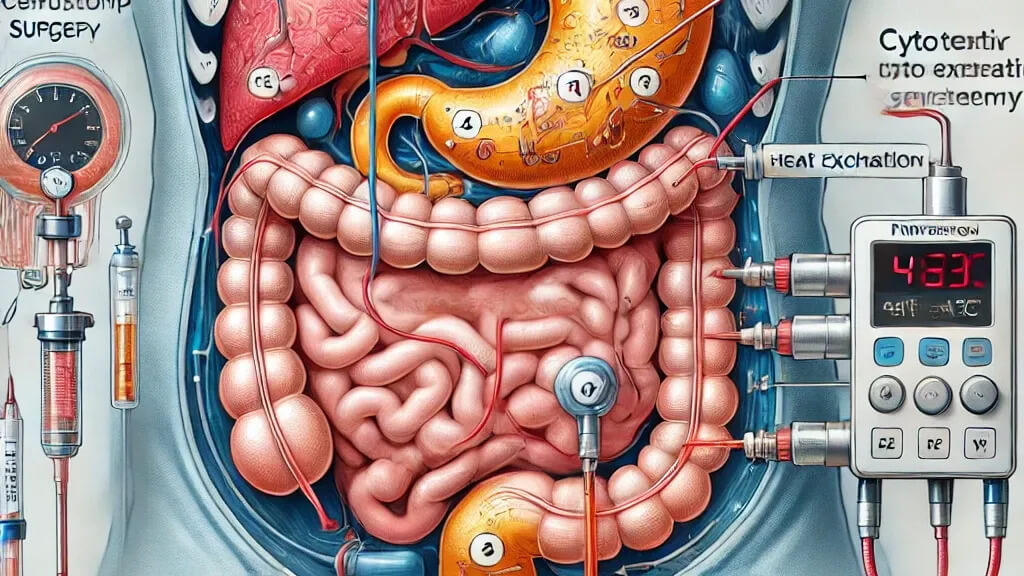

Introduction Hyperthermic Intraperitoneal Chemotherapy (HIPEC) is an advanced oncologic perfusion technique designed to treat peritoneal carcinomatosis, a condition where cancer spreads within the peritoneal cavity (Sugarbaker, 1995). This innovative approach combines cytoreductive surgery (CRS) with heated chemotherapy to improve drug penetration and enhance cytotoxic effects while minimizing systemic toxicity (González-Moreno et al., 2010).
Mechanism of HIPEC HIPEC is performed immediately after cytoreductive surgery, where visible tumors are surgically removed to reduce tumor burden. The perfusion process involves circulating a heated chemotherapeutic solution within the abdominal cavity at temperatures between 41-43°C for a specified duration, typically 30-90 minutes (Chua et al., 2010). The hyperthermia enhances chemotherapy efficacy by increasing drug penetration, improving tumor cell apoptosis, and reducing tumor resistance (van Driel et al., 2018).
Perfusion Circuit and Components HIPEC requires a specialized perfusion circuit that includes:
- Perfusion Pump: Ensures controlled circulation of the heated chemotherapeutic solution within the peritoneal cavity (Yan et al., 2007).
- Heat Exchanger: Maintains the optimal temperature range to enhance chemotherapy effects without causing thermal injury (Sugarbaker, 1995).
- Temperature Monitoring System: Continuously assesses intraperitoneal and systemic temperatures to prevent hyperthermic complications (González-Moreno et al., 2010).
- Catheters and Tubing: Facilitate the infusion and drainage of chemotherapy within the peritoneal space (Chua et al., 2010).
Advantages of HIPEC Over Systemic Chemotherapy
- Enhanced Local Drug Delivery: Direct intraperitoneal administration increases chemotherapy concentration at the tumor site while reducing systemic exposure (van Driel et al., 2018).
- Hyperthermia-Induced Synergism: Heat augments drug cytotoxicity and inhibits DNA repair mechanisms in tumor cells (Yan et al., 2007).
- Reduced Systemic Toxicity: Since the drug remains within the peritoneal cavity, systemic side effects such as myelosuppression and nephrotoxicity are minimized (Sugarbaker, 1995).
- Improved Survival Outcomes: Studies indicate that HIPEC improves survival rates in patients with peritoneal surface malignancies, including colorectal, ovarian, and gastric cancers (Chua et al., 2010).
Challenges and Considerations Despite its benefits, HIPEC presents certain challenges:
- Surgical Expertise: Requires skilled surgical teams experienced in cytoreductive surgery and perfusion techniques (González-Moreno et al., 2010).
- Patient Selection: Not all patients are eligible; suitability depends on tumor type, disease burden, and overall health status (van Driel et al., 2018).
- Thermal and Chemotoxic Risks: Risk of complications such as peritonitis, bowel perforation, or renal impairment due to heat and drug exposure (Yan et al., 2007).
Conclusion HIPEC represents a groundbreaking advancement in oncologic perfusion, offering a promising therapeutic option for patients with peritoneal carcinomatosis. With ongoing research and advancements in perfusion technology, HIPEC continues to evolve, providing improved survival and quality of life for cancer patients worldwide.
References
- Sugarbaker PH. Peritonectomy procedures. Ann Surg. 1995;221(1):29-42. doi:10.1097/00000658-199501000-00004.
- González-Moreno S, González-Bayón LA, Ortega-Pérez G. Hyperthermic intraperitoneal chemotherapy: Rationale and technique. World J Gastrointest Oncol. 2010;2(2):68-75. doi:10.4251/wjgo.v2.i2.68.
- Chua TC, Moran BJ, Sugarbaker PH, et al. Early- and long-term outcome data on patients treated with cytoreductive surgery and HIPEC for peritoneal carcinomatosis from colorectal cancer. Ann Surg Oncol. 2010;17(8):2150-2157. doi:10.1245/s10434-010-1003-2.
- van Driel WJ, Koole SN, Sikorska K, et al. Hyperthermic intraperitoneal chemotherapy in ovarian cancer. N Engl J Med. 2018;378(3):230-240. doi:10.1056/NEJMoa1708618.
- Yan TD, Black D, Sugarbaker PH, et al. A systematic review and meta-analysis of the randomized controlled trials on adjuvant intraperitoneal chemotherapy for resectable gastric cancer. Ann Surg Oncol. 2007;14(10):2702-2713. doi:10.1245/s10434-007-9433-7.
Asif Mushtaq: Chief Perfusionist at Punjab Institute of Cardiology, Lahore, with 27 years of experience. Passionate about ECMO, perfusion education, and advancing perfusion science internationally.