


Abstract Cardiovascular disease, which accounts for nearly one-third of deaths globally, is a great threat to human life and health. To improve global health and advance the progression of cardiovascular..
Read More
Abstract Bronchovenous (BVF) is a rare complication and can cause arterial gas embolism in vital organs, including the heart and the brain, resulting in a high mortality rate. A 51-year-old man..
Read More
Abstract There has been significant progress in the development of ex vivo machine perfusion for the nonischemic preservation of donor organs. However, several complications remain, including the logistics of using human blood..
Read More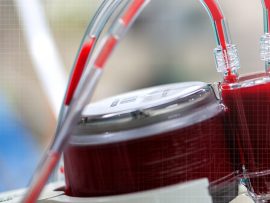
Abstract Background Surgical procedures in the heart requires protection of the heart from ischemia–reperfusion injury. Cardioplegia is the primary myocardial protective method in use. Histidine–tryptophan–ketoglutarate (HTK) solution is an intracellular..
Read More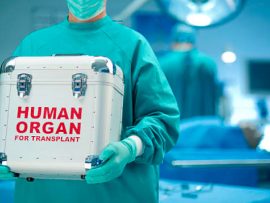
Abstract The number of waitlisted lung transplant candidates exceeds the availability of donor organs. Barriers to utilization of donor lungs include suboptimal lung allograft function, long ischemic times due to..
Read More
Abstract Donation after circulatory death (DCD) programs are expanding in Europe, in the attempt to expand donors pool. Even in controlled DCD donors, however, a protracted warm ischemia time occurring..
Read More
Abstract In patients with severe cardiogenic shock, temporary mechanical circulatory support has become a viable strategy to bridge patients to heart transplantation. However, end-stage heart failure is often associated with progressive organ..
Read More
Abstract Background Twenty percent of pediatric patients with BA develop ACLF with increased mortality while awaiting LT. Respiratory complications are common in pediatric ACLF and are associated with increased morbidity..
Read More
Abstract This review presents an integrated approach to the analysis of myocardial ischemia and reperfusion injury and the modulating influence of myocardial conditioning during the evolution of acute myocardial infarction..
Read More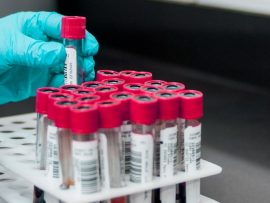
Abstract Viscoelastic hemostatic assay (VHAs) are whole blood point-of-care tests that have become an essential method for assaying hemostatic competence in liver transplantation, cardiac surgery, and most recently, trauma surgery..
Read More
Abstract Hypothermia is defined as a core body temperature of <35°C, and as body temperature is reduced the impact on physiological processes can be beneficial or detrimental. The beneficial effect..
Read More
The ELSO Interim Guidelines for venoarterial extracorporeal membrane oxygenation (VA ECMO) is timely. I would like to raise a few points on weaning recommendations. First, the parameters detailed in Figure 11..
Read More
Abstract Postoperative acute respiratory distress syndrome (ARDS) following a general thoracic procedure is associated with high morbidity and mortality. Extracorporeal membrane oxygenation (ECMO) offers an alternate means of cardiopulmonary support in the..
Read More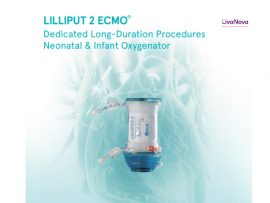
Abstract We describe the successful transplantation of a brain-dead donor supported by veno-arterial extracorporeal membrane oxygenation (VA-ECMO) after cardiac arrest secondary to pulmonary embolism. The donor was a 50-year-old female..
Read More
Abstract As the prevalence of advanced heart failure continues to rise, treatment strategies for select patients include heart transplantation or durable left ventricular assist device (LVAD) support, both of which..
Read More
Abstract Importance Ischemic cold storage (ICS) of livers for transplant is associated with serious posttransplant complications and underuse of liver allografts. Objective To determine whether portable normothermic machine perfusion preservation of livers..
Read More
Abstract Extracorporeal life support (ECLS) was first implemented as an extension of cardiopulmonary bypass technology. The early use of ECLS in patients with acute respiratory distress syndrome (ARDS) was discouraging,..
Read More
Abstract The role of intraoperative mechanical support during lung transplantation (LTx) is essential to provide a safe hemodynamic and ventilatory status during critical intraoperative events. This hemodynamic and ventilatory stability..
Read More
Abstract Background We aimed to investigate the short-term outcomes of heart transplant patients who underwent SherpaPak™ donor organ preservation. Method We prospectively collected the data of patients who underwent heart..
Read More
Abstract Since its advent in the 1990′s, ex vivo lung perfusion (EVLP) has been studied and implemented as a tool to evaluate the quality of a donor organ prior to..
Read More
Abstract Patients with pulmonary hypertension and end-stage lung disease are fraught with high mortality while on a waiting list for lung transplant. With sometimes rapid deterioration they may require veno-arterial..
Read More
Abstract While extracorporeal support of patients awaiting pulmonary transplantation is now well-established, extracorporeal membrane oxygenation (ECMO) remains a nondurable technology deployed for short-term support or recovery in patients with progressive..
Read More
Abstract Background Within the past ten years, continuous-flow Left Ventricular Assist Devices (LVADS) have replaced pulsatile-flow LVADs as the standard of care for both destination therapy and bridging patients to..
Read More
Abstract Objectives In patients with idiopathic pulmonary arterial hypertension, cardiac function can be impaired in the early after because the chronically untrained is prone to fail. Thus, restrictive fluid management is pivotal to..
Read More
Abstract Background Chronic obstructive pulmonary disease, cystic fibrosis and usual interstitial pneumonia are three most common indications for lung transplantation (LuTx) in Poland. As a result of irreversible destruction of..
Read More
Abstract Intra-operative blood salvage (IBS) reduces the use of allogeneic blood transfusion. However, safety of IBS during liver transplantation (LT) for hepatocellular carcinoma (HCC) is questioned due to fear for..
Read More
Abstract Background In the posttransplant period, recipients face a complex phenomenon called the new heart, which is a symbol of physical and emotional life. They use different methods to get..
Read More
Abstract Use of extracorporeal membrane oxygenation (ECMO) in children receiving haematopoietic cell transplantation (HCT) and immune effector cell therapy is controversial and evidence-based guidelines have not been established. Remarkable advancements..
Read More
Abstract Objective This pilot study sought to evaluate the feasibility of our donation after circulatory death (DCD) heart transplantation protocol using cardiopulmonary bypass (CPB) for normothermic regional reperfusion (NRP). Methods..
Read More
Abstract Background Chronic obstructive pulmonary disease, cystic fibrosis and usual interstitial pneumonia are three most common indications for lung transplantation (LuTx) in Poland. As a result of irreversible destruction of..
Read More