


Abstract Vasoplegia, a syndrome of noncardiogenic, non-hypovolaemic vasodilatory hypotension is a common complication of cardiac surgery utilising cardiopulmonary bypass. Vasopressor-sparing strategies have been increasingly used in the management of vasoplegia..
Read More
Abstract Introduction Cardiac surgery with cardiopulmonary bypass (CPB) often induces systemic inflammatory reaction syndrome (SIRS), affecting postoperative outcome. We aimed to explore adaptive/maladaptive inflammation using unsupervised machine learning. Methods We..
Read More
Abstract Cardiopulmonary bypass serves as a cornerstone in cardiac surgery, enabling life-sustaining circulatory and respiratory support during complex procedures that necessitate the temporary cessation of cardiac activity. This intricate process..
Read More
Abstract Background Acute normovolemic hemodilution (ANH) and retrograde autologous priming (RAP) are blood conservation techniques designed to reduce transfusion requirements. Purpose This study evaluated the impact of combining ANH and..
Read More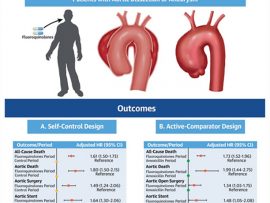
Abstract Lower limb malperfusion for type A acute aortic dissection (ATAAD) is a challenging complication, particularly when it occurs suddenly during the operation. We report a 76‐year‐old female with ATAAD..
Read More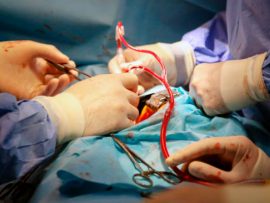
Abstract To determine the optimal perfusion volume for the celiac artery (CA) and superior mesenteric artery (SMA) in a porcine model. Fifteen Yorkshire pigs (46.7 ± 5.2 kg) underwent selective CA and..
Read More
Abstract Aortic malperfusion occurs in a significant percentage of patients with acute , and causes , the clinical entity defined by end organ , in 10–33% of patients. Malperfusion syndrome can be rapidly..
Read More
Abstract Activation of the alternative complement pathway by artificial extracorporeal surfaces is relevant to several clinical applications such as cardiac surgery with cardiopulmonary bypass (CPB), thoracic organ transplantation and hemodialysis...
Read More
Abstract Transcatheter aortic valve implantation (TAVI) has revolutionized the treatment of severe aortic stenosis in high-risk patients, offering a minimally invasive alternative to open-heart surgery. However, complications such as hemodynamic..
Read More
Abstract Background Pulmonary endarterectomy (PEA) using deep hypothermic circulatory arrest (DHCA) and cardiopulmonary bypass (CPB) is the preferred treatment for chronic thromboembolic pulmonary hypertension (CTEPH). Crystalloid priming solutions cause hemodilution..
Read More
Abstract Studies into the mechanisms of cardiopulmonary bypass-associated acute lung injury have not presented breakthroughs for many years, resulting in the stagnation of management strategies and clinical medicine measures. This..
Read More
Abstract Postoperative organ dysfunction remains a major challenge in adult cardiac surgery with cardiopulmonary bypass (CPB), frequently involving the kidneys, heart, and lungs. These complications are primarily driven by hemolysis,..
Read More
Abstract Background Cardioplegic arrest can be induced by various methods, fueling a long-standing controversy about their comparative merit. We aim to compare cardioplegic methods in coronary artery disease. Methods PubMed,..
Read More
Abstract We read with great interest the article by Kowara et al.,[] which highlights the potential of PvCO2 × Ve/Q as a key predictive marker for hyperlactatemia during cardiopulmonary bypass (CPB). This..
Read More
Abstract Background: Cardiac surgery with cardiopulmonary bypass (CPB) is associated with impaired renal oxygenation and acute kidney injury. We investigated whether a higher than our standard blood flow during CPB..
Read More
Abstract Background During cardiopulmonary bypass (CPB), which is frequently utilized in open-heart surgery, the maintenance of circulation in a non-physiological environment may lead to alterations in the properties of circulating..
Read More
Abstract Introduction Standard “yes/no”' checklists fail to meet their purported goals of enhancing patient safety because they enable inattentive completion and complacency. The mere presence of a check mark is..
Read More
Abstract Background Despite sternum sparing and without cardiopulmonary bypass, the actual value of minimally invasive coronary surgery (MICS) is still debatable. This study aimed to compare the completeness of revascularization..
Read More
Abstract Background: Minimally invasive extracorporeal circulation (MiECC) has been introduced to mitigate the inflammatory response and reduce blood transfusion needs compared to conventional cardiopulmonary bypass (CPB) perioperatively. A hybrid system..
Read More
Abstract BACKGROUND: Current blood pressure management strategies cannot accommodate large interindividual variations in cerebral autoregulation, which may result in inadvertent cerebral ischemia. A novel optical neuromonitoring device was developed to..
Read More
Abstract Introduction: In cardiopulmonary bypass (CPB), blood circulation is temporarily maintained by an artificial blood-pumping device during cardiac surgery. Worldwide, approximately half of the CPB procedures utilize either centrifugal or..
Read More
Abstract Background Studies have proved that artery infusion during CPB operations can reduce lung injury led by CPB surgery. This study was undertaken to investigate the effects of HTK solution..
Read More
Abstract Introduction Increased time-dose-response (TDR) of suboptimal oxygen delivery (DO2) during cardiopulmonary bypass (CPB) has been associated with increased postoperative complications. The impact of surgical approach - minimally invasive vs...
Read More
Abstract Background Cardiopulmonary bypass use during surgery disrupts microcirculation, which can contribute to lung injury, particularly in patients with pulmonary comorbidities. Continuous transcutaneous carbon dioxide (CO2) monitoring assists clinicians to..
Read More
Abstract Background and Objectives: The aim of this study was to compare the effects of sevoflurane-based anesthesia and propofol-based total intravenous anesthesia (TIVA) on intraocular pressure (IOP) during coronary artery..
Read More
Abstract Objectives To ascertain the dosage of bivalirudin in neonates and infants undergoing arterial switch operation on integrated extracorporeal membrane oxygenation–cardiopulmonary bypass (CPB) circuit. Design Pilot study. Setting A tertiary..
Read More
Abstract OBJECTIVES Current preoperative counselling in neonatal cardiac surgery is mainly focused on the primary procedure. However, other factors must be considered when evaluating the surgical risk of a neonate...
Read More
Abstract Cardiac surgery with cardiopulmonary bypass (CPB) may lead to many postoperative complications. However, many complications cannot be predicted in time using the current clinical methods, or the prediction is..
Read More
Abstract BACKGROUND Cardiopulmonary bypass (CPB) is a life-support technology widely used in surgery. Review articles reflect research advances in a certain topic or field within a certain period of time...
Read More
Abstract Introduction Cardiac surgery in infants often triggers a severe inflammatory response. The role of biomarkers in predicting clinical outcomes in this group of patients has been debated in the..
Read More