


Abstract Context: Cardiopulmonary bypass (CPB) induced acute lung injury is accounted for most of the post-operative pulmonary dysfunction which leads to decreased compliance and hypoxemia. Airway Pressure Release Ventilation (APRV) as..
Read More
Abstract Purpose: Early goal-directed therapy (EGDT) using the FloTrac system reportedly improved postoperative outcomes among high-risk patients undergoing non-cardiac surgery. This study’s objective was to evaluate the FloTrac/EV1000 platform’s efficacy..
Read More
Abstract Objective: This study aims to investigate the effect of optimized ultrafiltration on perioperative electrolytes, acid–base balance, and pulmonary function during cardiopulmonary bypass (CPB) in infants with low body weight (under..
Read More
Abstract The following sections are included: HISTORICAL NOTE DYNAMICS OF COAGULATION, FIBRINOLYSIS, AND COMPLEMENT ACTIVATION CARDIOPULMONARY BYPASS (CPB) Role of Oxygenators in Haemostasis ANTI-COAGULATION DURING CARDIOPULMONARY BYPASS Heparin Protamine..
Read More
Abstract Background Systemic inflammation contributes to cardiac surgery–associated acute kidney injury (AKI). Cardiomyocytes and other organs experience hypothermia and hypoxia during cardiopulmonary bypass (CPB), which induces the secretion of cold-inducible..
Read More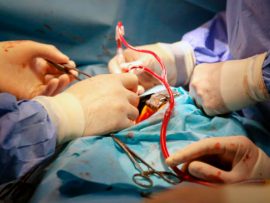
Abstract Introduction Cardiac surgery (CS) in pediatric patients induces an overt oxidative stress (OS) response. Children are particularly vulnerable to OS related injury. The immaturity of their organs and antioxidant..
Read More
Abstract Background: Acute kidney injury (AKI) is a common and serious complication faced by children following ventricular septal defect (VSD) surgery with cardiopulmonary bypass (CPB). The objective of this study was..
Read More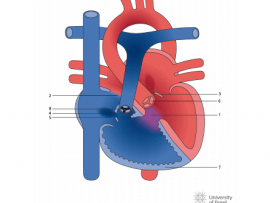
Abstract Background Expected benefits of modified ultrafiltration (MUF) include increased hematocrit, reduction of total body water and inflammatory mediators, improved left ventricular systolic function, and improved systolic blood pressure and..
Read More
Abstract Background The American College of Surgeons Committee on Trauma requires that all level I trauma centers have cardiopulmonary bypass (CPB) capabilities immediately available. Despite this mandate, there is limited..
Read More
Abstract Thoracoabdominal aortic aneurysm (TAAA) surgery is an extensive surgical undertaking, and adjuncts to decrease complications have varying results and individual pitfalls. We describe a modified “branch-first” TAAA open repair..
Read More
Abstract Background: Postoperative delirium (POD) is a common complication in cardiac surgery especially in elderly population which can lead to a delay of weaning from ventilator and extubation. Cardiopulmonary bypass..
Read More
Abstract OBJECTIVES Management of resternotomy is often a difficult challenge in patients with congenital diseases who have undergone multiple sternotomies. Our goal was to report our single-centre experience with carotid..
Read More
Abstract Background Acute kidney injury is a severe complication following cardiopulmonary bypass (CPB) and is associated with capillary leakage and microcirculatory perfusion disturbances. CPB-induced thrombin release results in capillary hyperpermeability..
Read More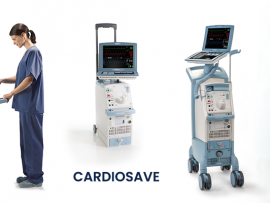
Abstract The modern day CPB circuit consists of a series of tubing, pumps, oxygenator, heat exchanger, and numerous safety and electrical components that allow for complete circulatory support, regulation of..
Read More
Abstract BLEEDING is a well-documented and frequently encountered complication after cardiac surgery, affecting roughly 2%-to-10% of all patients. Major bleeding is a known risk factor for significant morbidity and mortality..
Read More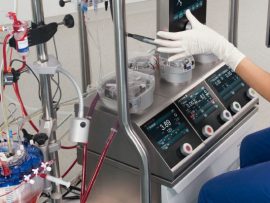
Abstract Aim: This study aimed to evaluate the efficacy of the resin hemoperfusion device (HA380 hemoperfusion cartridge) on inflammatory responses during adult cardiopulmonary bypass (CPB). Methods: Sixty patients undergoing surgical valve replacement..
Read More
Abstract The use of cardiopulmonary bypass (CPB) can be associated with significant hemodilution, coagulopathy and a systemic inflammatory response for infants and children undergoing cardiac surgery. Intra-operative ultrafiltration has been..
Read More
Abstract The 4Ts and HIT-Expert Probability (HEP) scoring tools for heparin-induced thrombocytopenia (HIT) have not been validated in cardiac surgery patients, and the reported sensitivity and specificity of the Post-Cardiopulmonary..
Read More
Abstract Objective Currently, several near-infrared spectroscopy oximetry devices are used for detecting cerebral ischemia during cardiopulmonary bypass (CPB) surgery. We investigated whether two different models of near-infrared spectroscopy oximetry devices..
Read More
Abstract Background Aortic arch repair for aortic dissection is still associated with a high mortality rate. Providing adequate means of neuromonitoring to guide cerebral hemodynamics is advantageous, especially during selective anterior..
Read More
Abstract Background The dose of protamine required following cardiopulmonary bypass (CPB) is often determined by the dose of heparin required pre-CPB, expressed as a fixed ratio. Dosing based on mathematical..
Read More
Abstract Successful management of Cesarean Delivery complicated by emergent CPB and AVR requires meticulous multidisciplinary planning. This case also represents the volatility that can arise from severe aortic regurgitation during..
Read More
Abstract Highlights • Hemolysis due to CPB leads to an increase of serum free Hemoglobin(fHb) level. • Increase of serum fHb level had an independent association with postoperative AKI. •..
Read More
Abstract To the editor, Retrograde autologous priming (RAP) is a non-drug blood protection method to reduce blood dilution by lowering the amount of crystal liquid priming., , But there is no unified..
Read More
Abstract Introduction Vasoplegia denotes a state of low tissue perfusion characterized by hypotension, tachycardia, and low systemic vascular resistance. This state results in increased mortality and morbidity following cardiac surgery...
Read More
Abstract This review highlights vital details that can be easily overlooked and discuss how to identify and fix failed cannulation from another novel insight. Appropriate arterial cannulation strategy during cardiopulmonary..
Read More
Abstract Objective: Optimal selective cerebral perfusion (SCP) management for neonatal aortic arch surgery has not been extensively studied. We induced mild hypothermia during SCP and used the tissue oxygenation monitor..
Read More
Abstract Background Amongst children with congenital heart disease (CHD), earlier age of repair improves cardiovascular outcomes. The effects of early intervention on neurodevelopment remains unclear. We assessed the association between..
Read More
Abstract Objective: The aim was to evaluate the performance of a newly developed magnetically suspended centrifugal pump head intended for use as a ventricular assistance device with a newly developed..
Read More
Abstract Background Elevated arterial–central venous carbon dioxide partial pressure difference (AVCO2) may be an important marker to predict tissue and organ hypoperfusion in adults. We analyzed the hemodynamic data of..
Read More