


Abstract Background Cardiopulmonary bypass (CPB) is frequently employed for cardiac surgery, and selecting a suitable priming fluid is a prerequisite for CPB. Currently, the commonly used priming fluids in clinics..
Read More
Abstract Cardiac surgery using cardiopulmonary bypass (CPB) provokes a systemic inflammatory response. This is mainly triggered by contact activation of blood by artificial surfaces of the extracorporeal circuit. Although often..
Read More
Abstract Pulmonary arterial pressure (PAH) usually increases after cardiopulmonary bypass (CPB), but this normally does not affect weaning off CPB. Here we report a case of severe PAH in a..
Read More
Abstract Surgical resection of obstructive tracheal tumors can be challenging to cardiothoracic surgeons and anesthesiologists. It is often difficult in these cases to maintain oxygenation by face mask ventilation during..
Read More
Abstract Background: Systemic anticoagulation with heparin during cardiopulmonary bypass (CPB) should be neutralized by protamine administration to restore normal hemostasis. Our previous study showed the protamine-to-heparin ratio (P-to-H) of 1:1..
Read More
Abstract Purpose Further studies are needed in line with the Enhanced Recovery for Cardiac Surgery (ERCS) protocols with a view to reducing anxiety and opioid use in cardiac surgery patients...
Read More
Abstract Background: Infants < 10 kg undergoing cardiac surgery with cardiopulmonary bypass (CPB) may receive either fresh frozen plasma (FFP) or other solutions in the CPB priming volume. The existing..
Read More
Abstract Background and aims: Cardiopulmonary bypass (CPB) utilized for cardiac surgeries has been associated with significant mortality and adverse outcomes. The benefits of incorporating nitric oxide (NO) into the CPB..
Read More
Abstract Objectives Clarify the prognostic value of the Johns Hopkins Hospital Nutrition Support (JHHNS) score on clinical outcomes in older patients undergoing with (CPB). Design A retrospective observational study. Setting A teaching..
Read More
Abstract Introduction: Tracheal intubation is used for most operations under general anesthesia. Prolonged hyperinflation of the tube cuff can compromise tracheal mucosal perfusion, and low pressure of the cuff may cause..
Read More
Abstract Vascular endothelial damage may activate hypercoagulation and contribute to the development of acute kidney injury (AKI). This study aimed to investigate whether early alteration in coagulation was associated with..
Read More
Abstract Introduction: The aim of this study was to determine the effect of fresh frozen plasma (FFP) for priming of cardiopulmonary bypass (CPB) circuit on rotational thromboelastometry (ROTEM) and transfusion in..
Read More
Abstract OBJECTIVES Core temperature monitoring is critical during cardiopulmonary bypass (CPB). In this prospective observational study, we investigated the performance of the transoesophageal echocardiography (TOE) probe for core (oesophageal) temperature..
Read More
Abstract This literature review examines perfusion safety in cardiothoracic surgery, with a primary focus on cardiopulmonary bypass (CPB) and circulatory devices. PRISMA guidelines were followed and various databases, including PubMed,..
Read More
Abstract Background Cardiopulmonary bypass (CPB) causes coagulation disorders after surgery. This study aimed to compare the coagulation parameters after congenital cardiac surgery with miniaturised CPB (MCPB) versus conventional CPB (CCPB)...
Read More
Abstract Introduction Perioperative coagulopathy is common in patients undergoing aortic surgery, increasing the risk of excessive blood loss and subsequent allogeneic transfusion. Blood conservation has become a vital part of cardiovascular..
Read More
Abstract Background Pediatric cardiac surgery is associated with abnormal coagulation, bleeding, and nearly ubiquitous transfusions. With the popularization of patient blood management, attempts are being made to decrease liberal transfusions..
Read More
Abstract Background Extracorporeal life support (ECLS) has extensive applications in managing patients with acute cardiac and pulmonary failure. Two primary modalities of ECLS, cardiopulmonary bypass (CPB) and extracorporeal membrane oxygenation..
Read More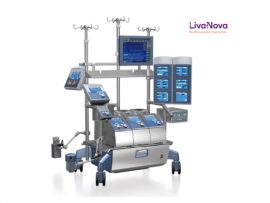
Abstract In this prospective observational study, we investigated whether congenital heart disease (CHD) affects the microcirculation and whether the microcirculation is altered following cardiac surgery with cardiopulmonary bypass (CPB). Thirty-eight..
Read More
Abstract Cardiopulmonary bypass (CPB) is frequently used for open heart surgery and other procedures that utilize temporary substitution or support of heart and lung function. While it is widely accepted..
Read More
Abstract Beside the tremendous developments in cardiac surgical procedures, the use of cardiopulmonary bypass (CPB) remains the gold standard to perform cardiac surgery but is associated with detrimental effects (e.g...
Read More
Abstract Heparin-induced thrombocytopenia (HIT) is a major issue in cardiac surgery requiring cardiopulmonary bypass (CPB). HIT represents a severe adverse drug reaction after heparin administration. It consists of immune-mediated thrombocytopenia..
Read More
Abstract Background A multidisciplinary Quality Assurance/Performance Improvement study to identify the incidence of “heparin rebound” in our adult cardiac surgical population instead detected a thromboelastometry pattern suggestive of initial protamine..
Read More
Abstract Background Myocardial injury-related cardiogenic shock (MICS) is significantly associated with poor outcomes in patients after cardiac surgery. Herein, we aimed to investigate the risk factor for postoperative MICS. Methods..
Read More
Abstract Replantation of amputated limbs after long ischemic hours almost always comes with reperfusion syndrome and poor outcomes. An ischemic time of greater than 6 h is often considered unsuitable for..
Read More
Abstract Background Oxylipins, the oxidative metabolites of polyunsaturated fatty acids (PUFAs), serve as key mediators of oxidative stress, inflammatory responses, and vasoactive reactions in vivo. Our previous work has established..
Read More
Abstract Objectives Viscoelastic assays, such as rotational (ROTEM), are used increasingly in cardiac surgery to guide transfusion decisions. After separation from (CPB), achieving rapidly is the main goal before chest closure. The authors hypothesized..
Read More
Abstract Introduction: The use of cardiopulmonary bypass (CBP; also known as a heart-lung machine) in newborns with complex congenital heart defects may result in brain damage. Magnetic resonance imaging (MRI) assessments..
Read More
Abstract Pathophysiology There are two types of HIT, depending on the absence or presence of an immune mediation. Type 1 is a non-immune-mediated direct activation of platelets by heparin that..
Read More
Abstract Background The aim of this retrospective observational study was to explore the early predictive parameters for maximum amplitude in the kaolin with heparinase (HKH) assay (MAHKH) of TEG6s Platelet Mapping..
Read More