


Abstract Cardiac surgery with cardiopulmonary bypass (CBP) is essential for different cardiac procedures in order to perform surgery with a clear sight field. To safely perform surgery with CPB and..
Read More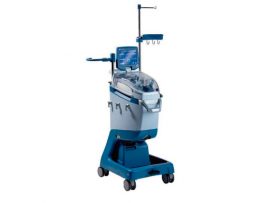
Abstract Background This study investigated whether intraoperative blood salvage was associated with coagulation disorder diagnosed by conventional coagulation tests and thromboelastography (TEG) after cardiopulmonary bypass (CPB). Study design and methods..
Read More
Abstract Background During cardiac surgery, transcranial Doppler (TCD) represents a non-invasive modality that allows measurement of red blood cell flow velocities in the cerebral arteries. TCD can also be used..
Read More
Abstract Background The relationship between hyperlactatemia and prognosis after cardiopulmonary bypass (CPB) is controversial, and some studies ignore the presence of lactic acidosis in patients with severe hyperlactacemia. This study..
Read More
Abstract Introduction Vacuum assisted venous drainage (VAVD) is widely adopted in minimally invasive cardiac surgery. VAVD enables the advantage of using smaller cannulae in a reduced surgical field while allowing..
Read More
Abstract Background Bleeding after cardiac surgery is common and continues to require 10–20% of the national blood supply. Transfusion of allogeneic blood is associated with increased morbidity and mortality. Excessive..
Read More
Abstract Background The utilization of extracorporeal life support (ECLS) for intraoperative support during lung transplantation has increased over the past decade. Although veno-arterial extracorporeal membrane oxygenation (VA-ECMO) has recently emerged..
Read More
Abstract Ensuring adequate anticoagulation for patients requiring cardiac surgery and cardiopulmonary bypass (CPB) is important due to the adverse consequences of inadequate anticoagulation with respect to bleeding and thrombosis. When..
Read More
Abstract Acute kidney injury (AKI) after cardiac surgery is a common complication that can lead to death. We previously reported that the creatinine reduction ratio (CRR) serves as a useful..
Read More
Abstract OBJECTIVE: To evaluate the efficacy of electroacupuncture (EA) intervention on myocardial protection and postoperative rehabilitation in patients undergoing cardiac surgery with cardiopulmonary bypass (CPB). METHODS: Eight databases, including PubMed,..
Read More
Abstract In elderly patients undergoing cardiac surgery, extracorporeal circulation affects the incidence of post-operative delirium and cognitive impairment with an impact on quality of life and mortality. In this study,..
Read More
Abstract Background Traditionally, novice perfusionists learn and practice clinical skills, during live surgical procedures. The profession’s accrediting body is directing schools to implement simulated cardiopulmonary bypass (CPB) into the curriculum...
Read More
Abstract Thrombus occlusion in the cardiopulmonary bypass (CPB) circuit is a life-threatening adverse event. Herein, the authors present a case of Stanford type A aortic dissection in which the CPB..
Read More
Abstract Purpose: Red-colored urine often occurs in patients in the perioperative period who undergo cardiac surgery using cardiopulmonary bypass (CPB). This urine color change has been utilized for approximating hemolysis..
Read More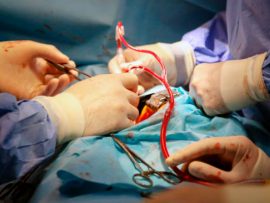
Abstract Background: Acute kidney injury (AKI) is a common and serious complication after the repair of Type A acute aortic dissection (TA-AAD). However, previous models have failed to account for the..
Read More
Abstract Background: Early detection of acute kidney injury (AKI) is crucial for timely intervention and improved patient outcomes after cardiac surgery. This study aimed to evaluate the potential of urinary..
Read More
Abstract Background Modifiable and non-modifiable factors contribute to development and progression of acute kidney injury (AKI) during cardiac surgery. We hypothesized that, the difference between preoperative mean arterial pressure (MAP)..
Read More
Abstract Background Hyperlactatemia (HL) during cardiopulmonary bypass (CPB) is relatively frequent in infants and associates with increased morbidity and mortality. Studies on adults have shown that carbon dioxide production index..
Read More
Abstract Background: Coronary artery disease is a condition characterized by atherosclerosis and inflammation in the vessel wall. In patient undergoing surgery, a systemic inflammatory-like condition occurs in the postoperative period..
Read More
Abstract Cardiopulmonary bypass (CPB) causes systemic inflammation and endothelial glycocalyx damage. Hydrogen has anti-oxidant and anti-inflammatory properties; therefore, we hypothesized that hydrogen would alleviate endothelial glycocalyx damage caused by CPB...
Read More
Abstract Postoperative delirium (POD) after cardiac surgery is a well-known phenomenon which carries a higher risk of morbidity and mortality. Multiple patient-specific risk factors and pathophysiologic mechanisms have been identified..
Read More
Abstract BACKGROUND: Challenging separation from cardiopulmonary bypass (CPB) has been associated with multiple medical adversities, while its incidence, associated factors, and prognosis among cardiac surgery populations are substantially understudied. METHODS:..
Read More
Abstract Background Cardiopulmonary bypass (CPB) can lead to lung injury and even acute respiratory distress syndrome (ARDS) through triggering systemic inflammatory response. The objective of this study was to investigate..
Read More
Abstract Since the risk factors for heparin resistance (HR) before cardiopulmonary bypass (CPB) have not been fully clarified, this study investigated the contributing factors for HR after the initial unfractionated..
Read More
Abstract Objective During cardiopulmonary bypass (CPB), gaseous microemboli (GME) that originate from the extracorporeal circuit are released into the arterial blood stream of the patient. Gaseous microemboli may contribute to..
Read More
Abstract Objectives It is unknown whether there is a difference in pulmonary outcome in different intraoperative ventilation modes for cardiac surgery with cardiopulmonary bypass (CPB). The aim of this trial..
Read More
Abstract Background Infants with complex congenital heart disease (CHD) require life-saving corrective/palliative heart surgery in the first weeks of life. These infants are at risk for brain injury and poor neurodevelopmental..
Read More
Abstract Introduction Heparin is the primary anticoagulant for cardiopulmonary bypass (CPB) support during cardiac surgery. While widely used, ∼2% of cardiac surgery patients develop heparin-induced thrombocytopenia (HIT) and 4–26% develop..
Read More
Abstract Study objective (AT) activity is reduced during (CPB) surgery. Guidelines has demonstrated that perioperative AT supplementation contributed to blood conservation and prevent perioperative complications and target organ injury owing to its..
Read More
Abstract Background: A standard blood prime for cardiopulmonary bypass (CPB) in congenital cardiac surgery may possess non-physiologic values for electrolytes, glucose, and lactate. Pre-bypass Ultrafiltration (PBUF) can make these values..
Read More