


Abstract Objective (FXII) is a multifunctional capable of activating thrombotic and inflammatory pathways. FXII has been linked to thrombosis in (ECMO), but the role of FXII in ECMO-induced inflammatory complications has not..
Read More
Abstract Drainage insufficiency is a common phenomenon during extracorporeal life support, related to a variable and potentially multiple etiologies. Being associated with impaired extracorporeal blood flow (EBF), so with impaired..
Read More
Abstract Heparin-induced thrombocytopenia (HIT) is a major issue in cardiac surgery requiring cardiopulmonary bypass (CPB). HIT represents a severe adverse drug reaction after heparin administration. It consists of immune-mediated thrombocytopenia..
Read More
Abstract Background A multidisciplinary Quality Assurance/Performance Improvement study to identify the incidence of “heparin rebound” in our adult cardiac surgical population instead detected a thromboelastometry pattern suggestive of initial protamine..
Read More
Abstract Background: Patient blood management (PBM) is a multidisciplinary and patient-centered treatment approach, comprising the detection and treatment of anemia, the minimization of blood loss, and the rational use of allogeneic..
Read More
Abstract Pathophysiology There are two types of HIT, depending on the absence or presence of an immune mediation. Type 1 is a non-immune-mediated direct activation of platelets by heparin that..
Read More
Abstract Background The aim of this retrospective observational study was to explore the early predictive parameters for maximum amplitude in the kaolin with heparinase (HKH) assay (MAHKH) of TEG6s Platelet Mapping..
Read More
Abstract Background: Cell-derived microparticles (MPs) as membrane vesicles are procoagulant. They play a role in surgical hemostasis. In this study, the correlations between the circulating level of cell-derived MPs and..
Read More
Abstract BACKGROUND: Heparin resistance (HR) is a common finding in pediatric cardiac surgery and generally refers to decreased sensitivity to heparin. Antithrombin (AT) deficiency is considered the primary mechanism of..
Read More
Abstract The Aeson total artificial heart provides right- and left-sided heart replacement for biventricular failure with notable improvements from prior generations. These include enhanced hemocompatibility and autoregulation enabling increased output in..
Read More
Abstract Objective: Extracorporeal membrane oxygenation (ECMO) utilization is increasing on a global scale, and despite technological advances, minimal standardized approaches to pharmacotherapeutic management exist. This objective was to create a..
Read More
Abstract Objective Heparin resistance is often encountered during cardiopulmonary bypass. Heparin dose and activated clotting time target values for the initiation of cardiopulmonary bypass are not yet universally standardized; further..
Read More
Abstract Background and Objective: Resuscitative therapies for respiratory and cardiac failure are lifesaving and extended by using extracorporeal life support (ECLS) as mechanical circulatory support (MSC). This review informs the debate..
Read More
Abstract Objective The purpose of this study was to explore the relationship between platelet concentration (PLT) (× 109/L) and clot strength measured by maximum amplitude (TEG-MA) in healthy volunteers without a..
Read More
Abstract Background A strategy that limits tidal volumes and inspiratory pressures, improves outcomes in patients with the acute respiratory distress syndrome (ARDS). Extracorporeal carbon dioxide removal (ECCO2R) may facilitate ultra-protective ventilation...
Read More
Abstract Amniotic fluid embolism (AFE) is a potentially lethal complication of pregnancy that results from disruption of the maternal–fetal interface and occurs as frequently as one in every 8,000 deliveries. When AFE..
Read More
Abstract Objectives Viscoelastic tests allow a reduction in blood product transfusion. Three modern devices are currently available (rotational [ROTEM] sigma, [TEG] 6S, and Quantra). No study has compared the performances of these..
Read More
Abstract Pediatric Literature As the practice of ultrafiltration arose from pediatric cardiac surgery, much of the evidence to support MUF is from low-powered pediatric studies. Some early, single-center literature, as..
Read More
Abstract Hemodilution and Volume Overload The use of CPB necessitates priming of the CPB circuit, which is typically accomplished using 1-to-2 liters of a crystalloid solution. In addition, 1-to-3 liters..
Read More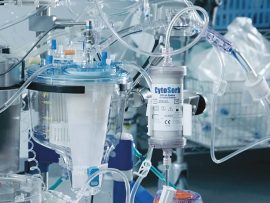
Abstract Background The purpose of this study was to analyze the results of Cytosorb (CytoSorbents, Monmouth Junction, NJ) adsorption during emergency open heart operations in patients at high risk of..
Read More
Abstract Objective There is limited evidence on standardized protocols for optimal neurological monitoring methods receiving (ECMO). We previously introduced protocolized noninvasive multimodal neuromonitoring using serial , electroencephalography, ultrasound, and . The purpose of this study..
Read More
Abstract Background We used sodium citrate as an alternative anticoagulation agent to heparin in the procedure of autologous blood transfusion with patients with postoperative haemorrhage after CPB. The aim of..
Read More
Abstract Background Heparin-induced thrombocytopenia (HIT) is a common differential diagnosis in cardiothoracic surgery. The latex immunoturbidimetric assay (LIA) is an enhanced immunoassay that has recently been introduced for the detection..
Read More
Abstract Background Fibrinogen γ-chain peptide-coated, adenosine 5'-diphosphate (ADP)-encapsulated liposomes (H12-ADP-liposomes) are potent hemostatic adjuvants that promote platelet thrombi formation at bleeding sites. Although we have reported the efficacy of these..
Read More
Abstract Because of its rapid onset and offset of action, and its ability to be fully and rapidly reversed with protamine when anticoagulation control is needed, unfractionated heparin (UFH) remains..
Read More
Abstract Hemorrhage remains a major complication of anticoagulants, with bleeding leading to serious and even life-threatening outcomes in rare settings. Currently available anticoagulants target either multiple coagulation factors or specifically..
Read More
Abstract Background Cell salvage reduces allogenic blood transfusion requirements in surgery. We present a pilot study exploring the impact of anticoagulant choice, citrate or heparin, on the quality of cell..
Read More
Abstract Background Anticoagulation is critical in patients supported on extracorporeal membrane oxygenation (ECMO). The appropriate monitoring strategies for heparin remain unclear. Objectives This systematic review aimed to compare the accuracy..
Read More
Abstract A neonate with pulmonary hypertension was supported with extracorporeal membrane oxygenation (ECMO). During ECMO support, the patient developed Enterococcus faecalis bacteremia, treated with targeted antibiotics. Despite the maximum dose of antibiotics, routine blood..
Read More
Abstract Bleeding is a leading cause of perioperative mortality []. In a perioperative setting, damage control surgery with massive transfusion protocols (MTPs) are therapeutic approaches used clinically to manage patients..
Read More