


Abstract The utilisation of cardiopulmonary bypass (CPB) during cardiac surgery is often associated with complex haemostatic perturbations, frequently manifesting as a paradoxical risk of both bleeding and thrombosis. This is..
Read More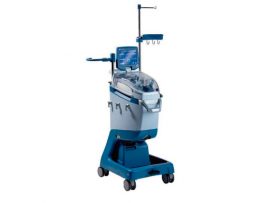
Abstract Objectives To evaluate whether platelet function is preserved after intraoperative autotransfusion using the Same system, a device designed to retain both red blood cells and platelets in patients undergoing..
Read More
Abstract The anticoagulant proteins antithrombin, protein C, protein S, and tissue factor pathway inhibitor are physiological regulators of the blood coagulation pathway and have complex roles in causing or modifying..
Read More
Abstract Extracorporeal membrane oxygenation (ECMO) is increasingly being utilized in critical care globally to allow for adequate oxygenation in patients with cardiac and/or respiratory failure. Unfortunately, haemostatic complications – both..
Read More
Abstract Background The optimal haemoglobin threshold for use of red blood cell (RBC) transfusions in anaemic patients remains an active area of research. Blood is a limited resource, and there..
Read More
Abstract Treating severe lung diseases with extracorporeal membrane oxygenation (ECMO) is often accompanied by serious complications, restricting applicability and adversely affecting outcomes. Membrane oxygenators, based on hollow fiber membranes (HFM),..
Read More
Abstract Purpose Fibrinogen is widely used in cardiac surgery. Still, reported associations between plasma fibrinogen level and chest tube drainage are weak. The results of trials on fibrinogen supplementation are..
Read More
Abstract Pumping blood through an extracorporeal membrane oxygenation (ECMO) circuit in critically ill patients inevitably leads to a pathophysiological response characterized by platelet and procoagulant activation, fibrin deposition, and immunomodulation. This..
Read More
Abstract Purpose Postoperative bleeding is a major concern in pediatric cardiac surgery under cardiopulmonary bypass (CPB). The comparative utility of viscoelastic testing and central laboratory assays for predicting bleeding risk..
Read More
Abstract Introduction Patients who undergo cardiac surgery have a high risk of significant blood loss and anemia. While allogeneic red blood cell (RBC) transfusions are effective, they are associated with..
Read More
Abstract Background Tranexamic acid (TXA) is recommended for reducing blood loss and transfusion in cardiac surgery. However, there are concerns regarding the safety profile of TXA, especially its proconvulsant effects...
Read More
Abstract Introduction Bleeding events are common during the provision of Venoarterial ECMO (VA ECMO). Previous observational has suggested that these bleeding events are associated with an increased risk of in-hospital..
Read More
Abstract Background This study aimed to analyze the postoperative blood transfusion demand and safety of intraoperative cell salvage (ICS) without leukocyte depletion filters in cesarean sections complicated by placenta previa...
Read More
Abstract Objectives To evaluate whether autologous platelet-rich plasma (aPRP) improves blood conservation and postoperative outcomes in emergency surgery for acute type A aortic dissection (ATAAD). Design Systematic review and meta-analysis..
Read More
Abstract Objectives Activated recombinant factor VII (rFVIIa) has been used to treat cardiac surgical bleeding in an off-label manner. Due to the high risk of mortality with ongoing hemorrhage, assessing..
Read More
Abstract Objective To determine the state of patient blood management (PBM) practice in leading US cardiac surgery centers. Design A survey tool addressing PBM program structure and PBM program operations..
Read More
Abstract Background: The purpose of this survey was to delineate and compare patient blood management (PBM) approaches in cardiac surgery across nine Middle Eastern countries while identifying the main challenges..
Read More
Abstract Background Blood is a biological, irreplaceable, and perishable resource, provided through voluntary, altruistic, and free donation in Brazil. Although blood components are widely used in hospital settings, several challenges..
Read More
Abstract Background: Low hematocrit level is a hematological problem that is frequently encountered during cardiopulmonary bypass (CPB) in patients undergoing on-pump coronary artery bypass grafting (CABG). This study aimed to..
Read More
Abstract Purpose Coagulopathy is a common perioperative complication in aortic surgery, increasing the risk of bleeding and transfusion requirements. This study aimed to evaluate the impact of autologous plateletpheresis on..
Read More
Abstract Background Patients on heart transplant waiting lists are often on antithrombotic (AT) drugs. Emergency orthotopic heart transplantation (OHT) when performed on such patients without optimal washout periods increases the..
Read More
Abstract Background has become a first-line adjunctive therapy for in patients with acute intermediate-risk (PE). This prospective study evaluated the safety and efficacy of percutaneous mechanical with autologous blood reinfusion using the next-generation..
Read More
Abstract Background: Revision hip arthroplasty is associated with significant blood loss and a subsequent need for blood transfusion. Intraoperative cell salvage (ICS) is a method of recovering a patient’s blood..
Read More
Abstract Objective This systematic review aims to evaluate the extensive application of platelet-rich plasma (PRP) as a novel autologous cell therapy across various clinical disciplines in recent years. Method A..
Read More
Abstract Globally, postpartum hemorrhage is still among the most significant factors in preventable maternal morbidity and mortality. Although early recognition and intervention have improved with advances in obstetric care, transfusion..
Read More
Abstract Objectives To compare effectiveness and safety of rescue therapy approach with recombinant Factor VII activated (rFVIIa) for refractory bleeding in cardiac surgery compared with a propensity-score-matched control group at..
Read More
Abstract BACKGROUND: Major bleeding after cardiac surgery is still a relatively common complication, requiring red blood cell (RBC) transfusions and use of procoagulants. The existing guidelines recommend a bleeding management..
Read More
Abstract The demand for homologous blood transfusions has reached an unprecedented level, driven by a declining donor population and the ever-increasing need for blood products. While significant advancements have been..
Read More
Abstract Objective To evaluate the robustness of randomized controlled trials (RCTs) investigating acute normovolemic hemodilution (ANH), a blood conservation strategy designed to reduce transfusion requirements, in cardiac surgery using the..
Read More
Abstract Extracorporeal membrane oxygenation (ECMO) supports patients with severe refractory cardiac or respiratory failure but managing residual circuit blood after weaning lacks consensus. After decannulation, the oxygenator and circuit retain..
Read More