


Abstract Introduction: This manuscript represents a pilot study assessing the feasibility of a single-compartment, individualised, pharmacokinetic algorithm for protamine dosing after cardiopulmonary bypass. Methods: A pilot cohort study in a..
Read More
Platelet, Red Cell, and Endothelial Activation and Injury During Extracorporeal Membrane Oxygenation
Abstract Extracorporeal membrane oxygenation (ECMO) can be lifesaving but suffers from high rates of bleeding and repeated transfusions. Current monitoring of blood cell damage during ECMO is limited to platelet..
Read More
Abstract Objectives: Pao2/Fio2 is used commonly for diagnosis of lung injury (acute respiratory distress syndrome and transfusion-related acute lung injury), for assessment of pulmonary disease course and therapy, and in pulmonary..
Read More
Abstract Background Moderate (MHCA) versus deep (DHCA) hypothermia for circulatory arrest in has been purported to reduce and bleeding complications, although there are limited data supporting this claim. This study aimed to..
Read More
Abstract Purpose Hemorrhage is the most common cause of preventable death after trauma. Coagulopathy plays a central role in uncontrolled bleeding and is caused by multiple factors. Extracorporeal Membrane Oxygenation..
Read More
Abstract This retrospective, observational study compared the impact of a point-of-care rotational thromboelastometry (ROTEM®) method versus conventional bleeding management in terms of postoperative (24-h) blood loss, intraoperative and postoperative (24-h)..
Read More
Abstract Background Post–cardiac surgery pulmonary dysfunction may be underreported. Therefore, we evaluated associated risk factors for prolonged pulmonary support after cardiac surgery. Methods and materials We conducted a retrospective, observational..
Read More
Abstract Background This retrospective single-center study aimed to analyze transfusion requirements, coagulation parameters, and outcome parameters in patients undergoing lung transplantation (LuTx) with intraoperative extracorporeal circulatory support, comparing cardiopulmonary bypass..
Read More
Abstract Objective: To investigate whether human serum albumin coating before cardiopulmonary bypass (CPB) could improve platelet function and hemostasis and mitigate the inflammatory response among patients receiving aortic arch replacement..
Read More
Abstract Background Cardiac surgery–associated acute kidney injury (CSA‐AKI) is a common complication with a poor prognosis. In order to identify modifiable perioperative risk factors for AKI, which existing risk scores are..
Read More
Abstract BACKGROUND: The inflated costs and documented deleterious effects of excess perioperative transfusion have led to the investigation of targeted coagulation factor replacement strategies. One particular coagulation factor of interest..
Read More
Abstract Introduction: Re-transfusion of lipid particles and activated leucocytes with shed mediastinal blood (SMB) can aggravate cardiopulmonary bypass-associated inflammation and increase the embolic load. This study evaluated the fat and..
Read More
Abstract BACKGROUND We sought to assess predictability of excessive bleeding using thrombelastography (TEG), multiplate impedance aggregometry, and conventional coagulation tests including fibrinogen in patients undergoing coronary artery bypass graft (CABG)..
Read More
Long‐Term Intra‐Aortic Balloon Pump Support as Bridge to Left Ventricular Assist Device Implantation
Abstract Background The intra‐aortic balloon pump (IABP) can be used to bridge critically ill end‐stage heart failure patients to left ventricular assist device (LVAD) implantation. However, the IABP's potential association..
Read More
Abstract The importance and variability of pre‐operative anaemia in cardiac surgical patients across the UK is not known, and there is debate about its association with patient outcomes. The Association..
Read More
Abstract BACKGROUND: Bleeding is a serious complication after pediatric cardiopulmonary bypass (CPB) that is associated with an increase in perioperative morbidity and mortality. Four-factor prothrombin complex concentrates (4F-PCCs) have been..
Read More
Abstract Several coating techniques for extracorporeal circulation have been developed to reduce the systemic inflammatory response during cardiopulmonary bypass (CPB). We compared the clinical effectiveness and biocompatibility of poly-2-methoxyethylacrylate (PMEA)-..
Read More
Abstract Importance Although liberal blood transfusion thresholds have not been beneficial following noncardiac surgery, it is unclear whether higher thresholds are appropriate for patients who develop postoperative myocardial infarction (MI). Objective To..
Read More
Abstract Abstract The aim of the study was to compare the potential of autotransfusion devices to reduce non-infectious complications related to transfusion of long-stored packed red blood cells (PRBC; n=..
Read More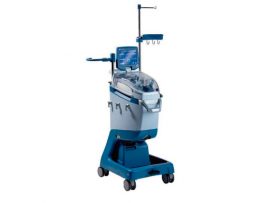
Abstract Background Removal of cytokines, chemokines, and microvesicles from the supernatant of allogeneic erythrocytes may help mitigate adverse transfusion reactions. Blood bank–based washing procedures present logistical difficulties; therefore, we tested..
Read More
Abstract Blood transfusion is the most common procedure in cardiac surgery. Increasing evidence exists that excess transfusions are harmful to patients. Transfusion reactions and complications, including infection, immune modulation, and..
Read More
Abstract Anemia is an common condition in patients undergoing cardiac surgery, and it is often present in one quarter to half of patients at admission. Several studies have indicated that..
Read More
Abstract Background We aimed to assess the incidence and perioperative risk factors for hyperbilirubinemia after cardiac surgery, and determine its influence on early operative outcome. Methods This prospective observational study..
Read More
Abstract Objective Aortic surgery often causes massive bleeding due to hypofibrinogenemia. Predicting hypofibrinogenemia is useful for developing a hemostasis strategy, including preparing for blood transfusion. We made a formula for..
Read More
Abstract Objectives Bleeding is a common problem during adult extracorporeal membranes oxygenation (ECMO) support, requiring blood transfusion for correction of volume depletion and coagulopathy. The goal of this study is..
Read More
Abstract OBJECTIVES Cardiopulmonary bypass in cardiac surgery has been associated with several deleterious effects including haemodilution and systemic inflammation. Modified ultrafiltration (MUF) has been well established in paediatric cardiac surgery..
Read More
Abstract Background The impact of transfusion of aged red blood cells (RBCs) on the outcome after (CABG) is controversial. This issue has been investigated in the present study. Materials and methods..
Read More
Abstract Background: Coronary artery bypass surgery is the most commonly performed cardiac operation and approximately 40-70% of patients require a blood transfusion despite improvements in cardiac surgical techniques. Some preventive..
Read More
Abstract The age of (EC) in and the when transfusing long-term-stored EC are highly controversial issues. Whereas the definition of a short-term-stored EC or a long-term-stored EC is unclear in clinical trials, data..
Read More
Abstract Objective: Intra-operative cell salvage (CS) was reported to be ineffective, safe and not cost-effective in low-bleeding-risk cardiac surgery with cardiopulmonary bypass (CPB), but studies in high-bleeding-risk cardiac surgery are limited...
Read More